In brief
Antonio Tajani said his personal data, including that of his family, was leaked on the dark web by cybercriminals tied to hostile state actors, and he linked the attacks to Italy’s stance on Ukraine. Anadolu, VOZ and Ground.news report the incident with varying emphasis on the role of pro‑Russian hackers and Italy’s cyber‑security response.
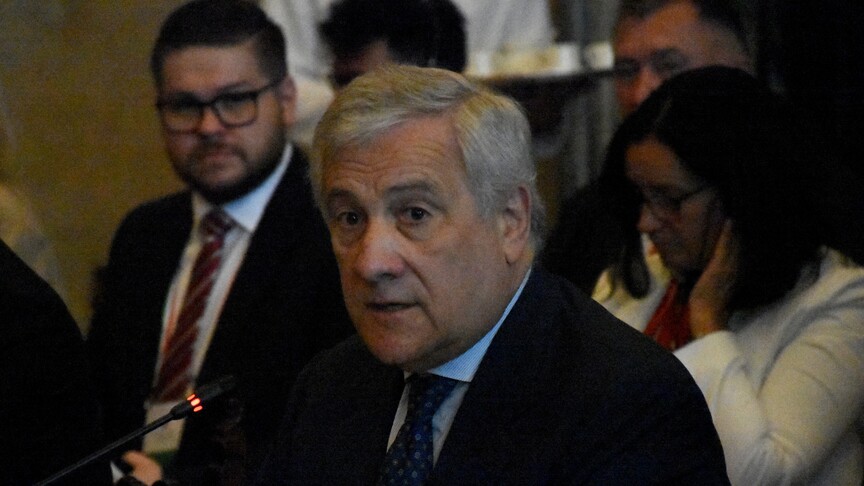
Italian Foreign Minister Antonio Tajani announced on November 7 that his personal data had been released on the dark web by cybercriminals connected to hostile state actors, exposing him and his family to new threats and intimidation.
In a post on X, Tajani said the data had been circulating for days and that buyers were seeking additional information about him and his loved ones, adding that he would not be intimidated.
"My reaction is very simple: I will not be intimidated in any way," Tajani wrote, a sentiment echoed in a later statement from the ministry - a new cybersecurity directorate set up on January 1 to counter intrusions often linked to state‑linked actors.
Anadolu, which first reported the story, blamed Italy’s support for Ukraine as the reason for the targeting and suggested that the threats were partly a response to the ministry’s recent cyber‑security measures. Anadolu stated that “our position on Ukraine is the political reason why I have become a target” and linked the cyber‑attack to pro‑Russian hacking groups.
VOZ, a U.S. Spanish-language outlet, also reported that the minister will not be intimidated, linking the intimidation campaign to Italy’s stance toward Russia. VOZ highlighted the minister’s linkage of the threats to Italy’s support for Ukraine and Russia, noting the ongoing tension over the war in Ukraine.
Ground.news, covering the incident from a close‑up of the domestic political context, focused on the claim that pro‑Russian hackers were responsible for the leak. The outlet reported that Italian Premier Giorgia Meloni had blamed pro‑Russian hackers for the leak of Tajani’s personal data, suggesting a direct link between the national government’s position on Ukraine and the intrusion.
All three outlets describe the leak as a serious cyber‑security breach but differ in how they frame the perpetrators and the political motivation behind the attack. Anadolu emphasizes the connection to hostile state‑linked actors; VOZ pins it on Italy’s broader stance towards Russia; and Ground.news stresses the pro‑Russian hacker narrative per Meloni’s comments.