On November 8, 2026, the King Salman Humanitarian Aid and Relief Center distributed 998 food baskets to vulnerable families in Marib’s Al‑Sadd area and sectors of Al‑Wadi and Al‑Madina districts, benefiting 3,493 people, reports the Saudi Press Agency.
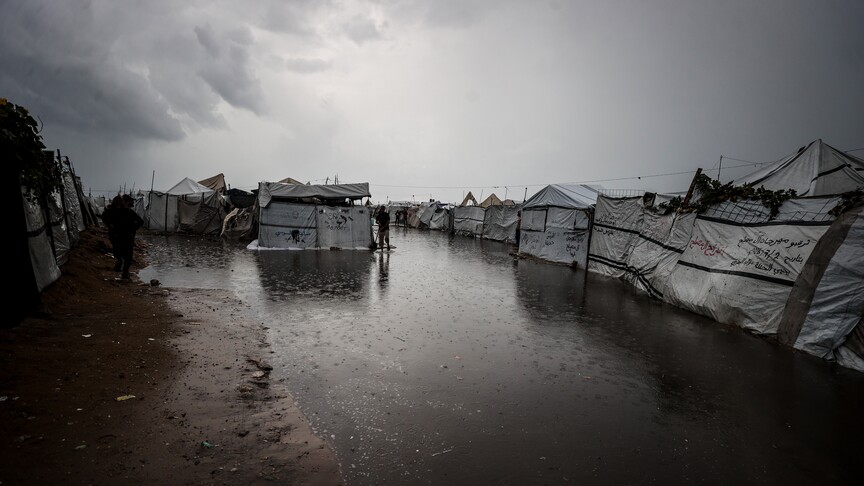
The distribution was conducted as part of Saudi Arabia’s broader emergency response to the ongoing humanitarian crisis unfolding in Yemen, an effort aimed at providing essential sustenance to communities experiencing severe shortages.
Distribution Details
KSrelief, the organization spearheading the initiative, reportedly coordinated the logistics to ensure that the baskets reached households across the three highlighted districts within Marib Governorate.
According to the SPA, the assistance reached 3,493 individuals, a figure that reflects the group’s calculation of those most in need within the distribution zones.
KSrelief’s operation is described in the agency’s release as part of an emergency response project, whose goal is to alleviate suffering among the Yemeni populace.
The King Salman Humanitarian Aid Center, established to support people in crisis, identified vulnerable families in Marib and directed the 998 food baskets toward them.
This action follows Saudi Arabia’s ongoing humanitarian strategy, which seeks to provide aid through non‑governmental channels and partnerships with regional organizations.
The distribution effort illustrates the Saudi government’s commitment to ameliorating the dire conditions that plague Yemen, reportedly among the world’s toughest humanitarian environments.
The delivery took place across the Al‑Sadd area, and Sectors 1 and 2 of Al‑Wadi, as well as Al‑Madina district, covering a broad swath of the governorate.
According to the press release, the baskets were handed out in a coordinated fashion to ensure that families in high‑risk zones received goods without delay.
SPA’s statement emphasized that the initiative is part of a comprehensive emergency response, not a singular event, implying ongoing plans for additional assistance.
The information is presented by the Saudi Press Agency, which regularly reports on the country’s humanitarian outreach programs in Yemen and elsewhere.
The 998 baskets, as conveyed by the SPA, represent a significant increase in aid distribution compared to previous months, signalling a potential shift in strategy or resource allocation.
While specifics on the logistics remain limited, the release notes indicate that the distribution was widely covered by local media within Marib Governorate.
The event sits within a larger framework of aid delivered by KSrelief, which aims to meet basic nutritional needs and reduce the risk of famine for vulnerable populations.
The Saudi government’s official narrative underscores a commitment to humanitarian action, citing Saudi Arabia’s role in alleviating suffering across Yemen in the face of ongoing challenges.
These reports from SPA suggest that the country’s aid initiatives are coordinated through recognized humanitarian organizations such as KSrelief, ensuring that supplies reach those most in need.
The response initiative also reflects the broader strategy of providing emergency aid while longer‑term solutions are pursued, a tactic mentioned by Saudi officials in subsequent briefings.
The kingdom’s humanitarian agencies have historically engaged in similar projects across the Middle East, and this latest effort in Marib continues that pattern of support.
As of the time of release, the SPA reported no further updates, leaving room for future developments or additional distributions in Yemen’s affected areas.