In brief
The EU has ordered TikTok to change its For You feed algorithm after preliminary findings that it creates harmful ‘rabbit holes’ of content. TikTok rejects the allegations, claiming it already protects users. The Commission warns of fines up to 6 % of EU revenue if TikTok does not comply.
EU Commission – on November 6, 2026 – issued a directive ordering the Chinese‑owned social‑media giant TikTok to overhaul the algorithm powering its “For You” page. The European Union accused the recommendation engine of creating deep “rabbit holes” that trap users in endless cycles of content that might be harmful. Brussels noted that the feed frequently repeats themes such as sadness, isolation or body‑image concerns whenever users scroll or engage with a video, allegedly eroding users’ well‑being. This step follows a broader EU effort to safeguard minors and vulnerable adults from predatory and disordered online material.
TikTok has publicly disputed the EU’s findings. The platform labels the commission’s conclusions as “fundamentally inaccurate” and asserts it has already implemented a series of safety measures designed to protect users – particularly minors – from harmful content. TikTok claims its algorithm now includes filters and user‑control features that reduce repeated exposure to distressing material.
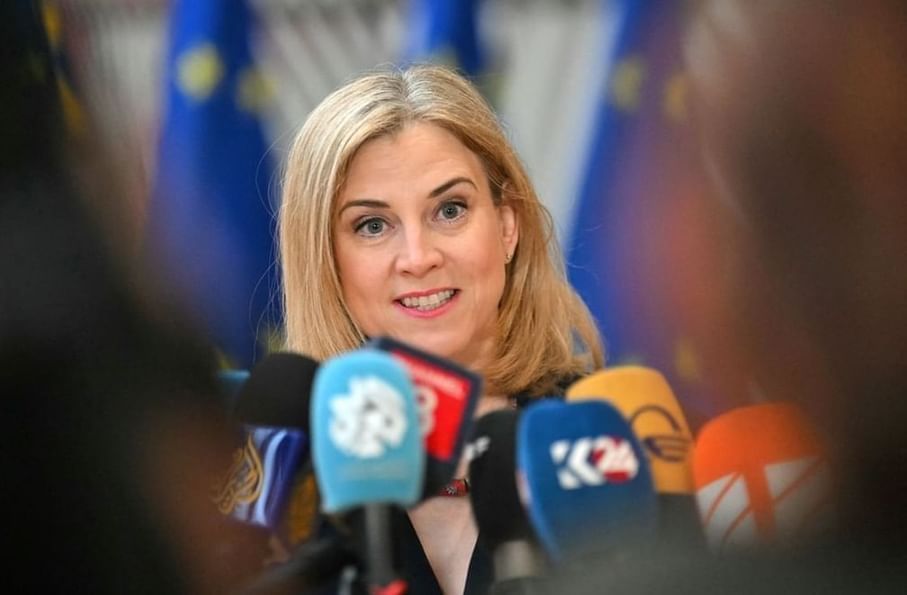
European Commission Executive Vice President for Innovation and Digital Market, Henna Virkkunen, explained the technical dynamics of the problematic feed:
Every time a user scrolls or likes a video on TikTok, the algorithm serves more of the same, leading users down rabbit holes they cannot easily escape from.
Virkkunen added that the platform must intensify its efforts to safeguard users’ mental wellbeing, especially for children. The commission’s draft notice says that if TikTok fails to address these concerns, it could face fines of up to 6 % of its annual revenue generated within the European Union – a sum that could reach billions of euros for a company whose worldwide revenue topped €50 billion last year.
Earlier investigations by the EU have examined similar problems in France, Spain and the United Kingdom, where authorities looked at cyberbullying, predatory tactics and the impact of social‑media consumption on teenagers’ mental health. Some governments have enacted or are considering bans on social‑media usage for users under 15 years old. These measures reflect a growing international trend to tighten regulatory oversight of algorithmic content distribution and user safety.
The commission will monitor TikTok’s compliance over the coming months, and the company has stated it will work with regulators to address the identified concerns. Depending on the outcome, the case could set a precedent for how recommendation systems are governed across the European digital single market and may influence broader regulatory approaches to artificial‑intelligence‑driven platforms worldwide.