In brief
On 19 July 2026 Russia launched a large salvo of ballistic missiles and drones against Ukrainian cities, claiming eight dead and dozens injured. Kharkiv, Kyiv, Zaporizhzhia and Sumy suffered the largest casualties. Ukrainian air defences intercepted the majority of incoming weapons, while Kyiv Mayor Vitaliy Klitschko reported damage to both residential and commercial buildings. In the Black Sea, a Turkish‑owned grain ship was hit, killing five people. Ukraine retaliated by striking Russian oil tankers and storage facilities, arguing the targets finance Moscow's war effort. The conflict continues as both sides intensify attacks on each other’s infrastructure.
On 19 July 2026, Russia carried out a large volley of ballistic missiles and drones that struck several Ukrainian cities, killing at least eight civilians and injuring dozens more. The north‑eastern city of Kharkiv, the capital Kyiv, the southern city of Zaporizhzhia and the north‑eastern city of Sumy each suffered casualties; one elderly woman was killed in Kyiv.
Ukrainian President Volodymyr Zelensky described the raid on Kyiv as one of the most massive ballistic attacks since Russia launched its full‑scale invasion in 2022. The Ukrainian military reported that its air defences shot down 18 out of 41 ballistic missiles and intercepted 108 drones over the capital.
In the Black Sea, a Turkish‑owned civilian cargo ship carrying grain was struck, killing five people. Ukraine’s navy confirmed the attack late on Sunday. Ukraine responded by striking three Russian oil tankers in the Black Sea and three oil depots in the southern Stavropol region, claiming that these facilities finance Russian aggression.
Ukrainian forces also hit a Russian‑owned logistics hub in the Bucha district near Kyiv, damaging a supermarket and a dormitory and burning two warehouses. The city’s mayor, Vitaliy Klitschko, noted the range of weapons used, including Iskander ballistic missiles, hypersonic Zircon missiles and 125 drones.
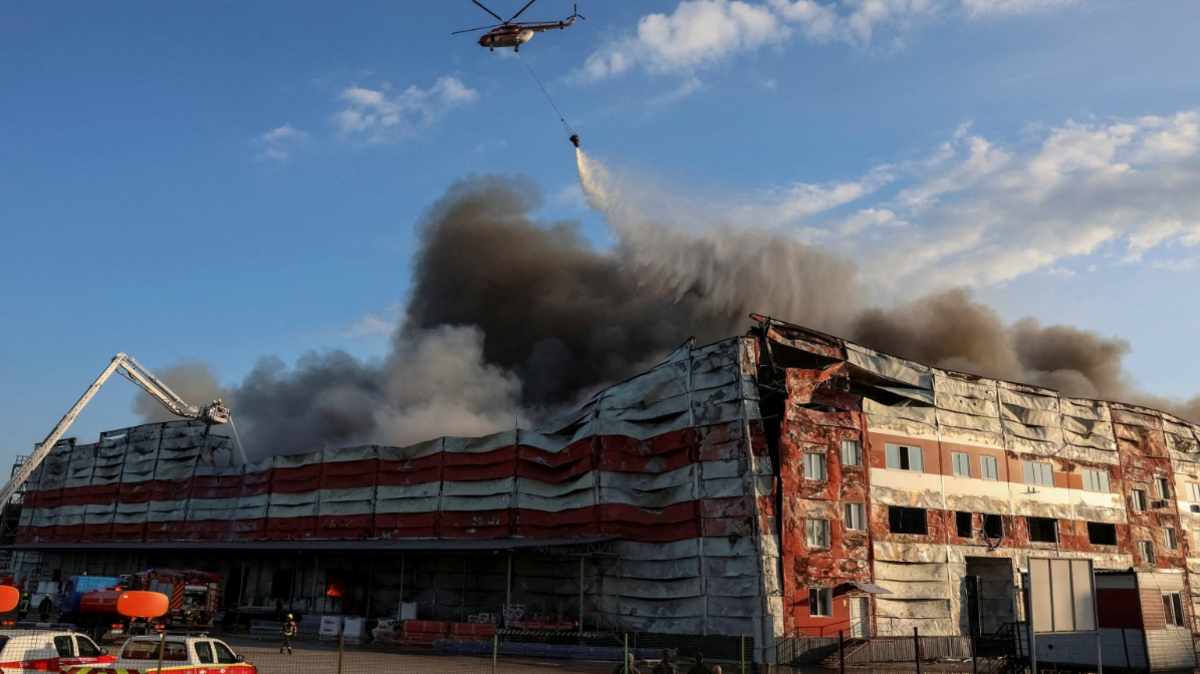
On the ground, several Wildberries warehouses were hit by Ukrainian drones, resulting in fires that caused casualties in the city of Tambov and the town of Elektrostal. Wildberries, Russia’s largest online retailer, has been targeted by Ukrainian forces after the war escalated to a greater scale of long‑range attacks on Russian infrastructure.
Ukraine’s defence ministry states that its operations are a direct response to Russian strikes on civilian infrastructure and urban centres. The Ukrainian strategic directive emphasises that “protecting citizens and preventing further destruction is the top priority.”
Russian officials have not commented on the strikes, and the conflict remains tense. Ukrainian officials continue to request additional ballistic missile interceptors from European allies as they adapt to ongoing threats.
In summary, Russian missile and drone attacks continue to inflict civilian casualties, while Ukrainian forces target Russian energy assets in a bid to weaken Moscow’s funding for the war. The cycle of retaliation illustrates the enduring brutality and complexity of the conflict.