In brief
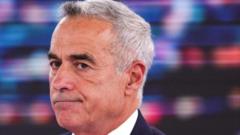
Calin Georgescu's unexpected lead in Romania's presidential elections has alarmed allies and showcased a rise in nationalist sentiments. With a background in sustainable development and alliances, his campaign promises a transformation towards organic agriculture and respect for national sovereignty, reminiscent of far-right figures globally.
Calin Georgescu, an independent candidate with roots in nationalism, has created waves in Romania’s political scene by securing the top spot in the initial round of presidential elections held on Sunday. The 62-year-old, who has garnered attention for his advocacy in sustainable development and agriculture, previously associated with the nationalist Alliance for the Union of Romanians (AUR), presents a bold vision for Romania's future rooted in small-scale organic agriculture, Christian values, and national independence.His campaign bears similarities to that of American political figures such as Robert F. Kennedy Jr—an attraction for voters amidst concerns over health and national pride. Georgescu’s unorthodox methods have included showcasing his lifestyle through TikTok videos, which prominently feature him engaging in activities such as bathing in icy water, further solidifying his appeal as a candidate in touch with a diverse electorate. A crucial element of Georgescu’s allure is his assertion to "restore Romania's dignity" while criticizing perceived subservience to NATO and the EU. His campaign documents outline a commitment to fulfilling obligations to international organizations, contingent on those entities reciprocating respect for Romania’s interests. This stance punctuates a delicate balance as Romania continues to strategically align with Western partners, particularly in light of its vital role in facilitating military support to Ukraine.Nevertheless, Georgescu's past remarks, including commendations of Russian President Vladimir Putin as a "true leader," instill apprehension amongst Western allies, although evidence of his pro-Russian motivations remains sparse. Initial reactions from Russian media outlets suggest a welcoming embrace of his candidacy, contrasting sharply with hesitance from the Romanian political establishment and its allies.The candidate's admiration for European leaders like Hungary's Viktor Orban signals potential ideological alignments that could redefine regional cooperation, particularly concerning conflicts such as the ongoing war in Ukraine. Controversial statements related to Romanian historical figures from the fascist Iron Guard have further complicated his image, leading to tensions within previous party affiliations.With Georgescu's social media acumen, evident from his meteoric rise in TikTok followers from 30,000 to over 330,000 in just two weeks, he adeptly engages a modern electorate, translating a substantial online presence into real electoral power. His unprecedented first-round victory underscores a significant shift in Romania's political climate, reflecting currents of nationalism and skepticism towards established alliances, hence warranting close observation in the lead-up to the concluding election rounds.