
In brief
Former President Donald Trump's criticism of electric vehicles is gaining traction in Michigan, a key battleground state. Many voters, including some from traditionally Democratic backgrounds, express fear that the transition to electric vehicles will result in job losses. His narrative pits him against Vice President Kamala Harris, who's trying to reassure voters of job security and vehicle choice.
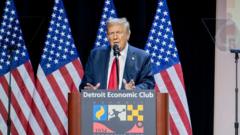
In the north Detroit suburb of Warren, Michigan, residents like Doug, a machine repairman building electric vehicles for Ford, express skepticism about owning one themselves. Doug's stance reflects growing concerns among unionized auto workers about potential job losses due to the electrification of vehicles. These concerns are a key talking point for Trump, who is attempting to sway Michigan's swing voters—including former Democratic supporters like Doug.During a Detroit rally, Trump accused UAW President Shawn Fain of prioritizing all-electric cars, a move he argues endangers auto industry jobs. This aligns with a broader Republican narrative that opposes rapid electrification fearing economic fallout, a stance that resonates with voters like 82-year-old Ruth Zimmer who distrusts electric cars.Conversely, Kamala Harris and her team, including allies like Minnesota Governor Tim Walz, are countering Trump's narrative by emphasizing consumer choice and job creation through strategic investments in the electric vehicle sector. For example, the Biden-Harris Administration's $1.7 billion investment focuses on converting Michigan auto plants to support electric vehicle production.Yet, not all voters are convinced. The economic and employment implications of this transition remain contentious. Union endorsements are also divided. While some unions support Harris, others, like the International Brotherhood of Teamsters, refrain, reflecting the complexity of the issue.Experts suggest that the auto and union workforce's sentiment will play a crucial role in determining the outcome in Michigan, showcasing the need for candidates to balance economic promises with environmental commitments in their campaign strategies.

