
In brief
The United States has agreed to reduce tariffs on Swiss imports from 39% to 15% as part of a deal that includes a promise from Switzerland to invest $200 billion in the U.S. economy by 2028. The agreement follows a charm offensive in which Swiss business leaders presented luxury gifts to President Trump, with industry representatives stating that the deal will provide much-needed relief to the Swiss economy. The deal is expected to be ratified by the Swiss parliament before implementation.
Switzerland and the US have agreed to cut President Donald Trump's steep 39% tariffs on Swiss exports to 15%, as part of a deal that involves a Swiss promise to invest $200bn (£150bn) in the US.
It's a great relief for our economy, said Swiss Economics Minister Guy Parmelin, who stated significant damage had been done since the additional tariffs had kicked in last August.
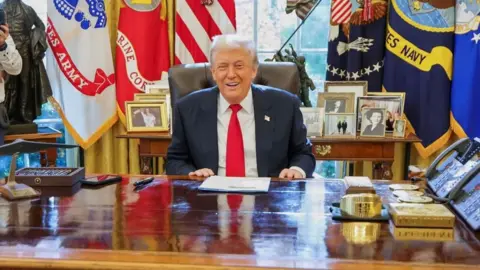
Parmelin noted that a meeting between Swiss business leaders and Trump in the White House last week had proven decisive for reaching the deal.
Industry chiefs visited the Oval Office with gifts, including a Rolex gold watch and a specially engraved gold bar from Swiss-based MKS.
Despite initial attempts by Swiss President Karin Keller Sutter to negotiate the tariffs, Trump's response was dismissive. However, after the November 4 meeting with business leaders, the potential for a deal re-emerged.
US Trade Representative Jamieson Greer confirmed the agreement, emphasizing that it would bring Swiss tariffs in line with the 15% rate negotiated by the US with European Union countries.
The agreement promotes a significant Swiss investment in the US, aiming for $200 billion by 2028, with plans for infrastructure and industrial development included in the deal.
Moreover, Switzerland will lift tariffs on a quota of US meat exports, signaling a reciprocal approach in trade relations.
As a result, the impact of the steep tariffs, which had significantly reduced Swiss technology exports to the US, is set to diminish.
The economic implications have been critical, as various Swiss companies warned they might have to furlough employees if the situation did not improve.
Looking ahead, the agreement requires approval from the Swiss parliament and subsequent public endorsement through a referendum.

