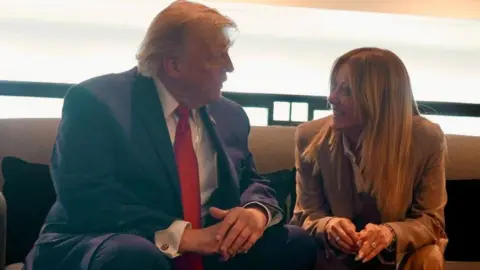
In recent comments made during a Cabinet meeting, President Donald Trump mocked California Governor Gavin Newsom's dyslexia, labeling him as 'stupid' and 'mentally disabled.' This incident has resonated deeply with many, including Lauryn Muller, an 18-year-old who has dyslexia and is preparing to start her college journey at Auburn University. She expressed her emotional response, recalling her own learning struggles when hearing Trump's words.
Trump's derogatory language was seen by advocates and individuals with dyslexia as not only an attack on Newsom, a potential presidential candidate, but also as an indictment of millions of others who share similar learning disabilities. It reflects a broader issue regarding the stigma associated with dyslexia, which affects up to 20% of the global population.
Marilyn Muller, Lauryn's mother and a literacy advocate, voiced her hurt over Trump's comments linking dyslexia with low intelligence, a notion she actively works to dispel. 'It was probably one of the more ignorant comments I have ever heard from his mouth,' she stated, underscoring the confusion and frustration surrounding Trump's statements, given that research shows no correlation between dyslexia and IQ.
As reactions pour in, both positive and negative, those in Trump's circle—including individuals like Gary Cohn, who has dyslexia—highlight the achievements of successful dyslexics while calling into question the President's understanding of learning disabilities. The incident has spurred bipartisan discussions in Congress concerning support for those with dyslexia, exemplifying the community's resilience despite the stigma perpetuated by high-profile comments.
In light of these events, advocates urge society to change the narrative surrounding dyslexia by sharing stories of success and strength. They posit that with increased awareness and understanding, people living with dyslexia can thrive instead of being marginalized.