Congressional Republicans have sent President Donald Trump a resolution that seeks to lift a federal ban on mining near Minnesota’s Boundary Waters Canoe Area Wilderness, paving the way for South American company Twin Metals to extract precious metals from this pristine region.
Despite strong opposition from conservationists, who warn this would lead to pollution in one of America’s remaining wild spaces, House Republicans approved the resolution last month. The Senate followed suit, voting 50-49 to send the measure to Trump for his signature.
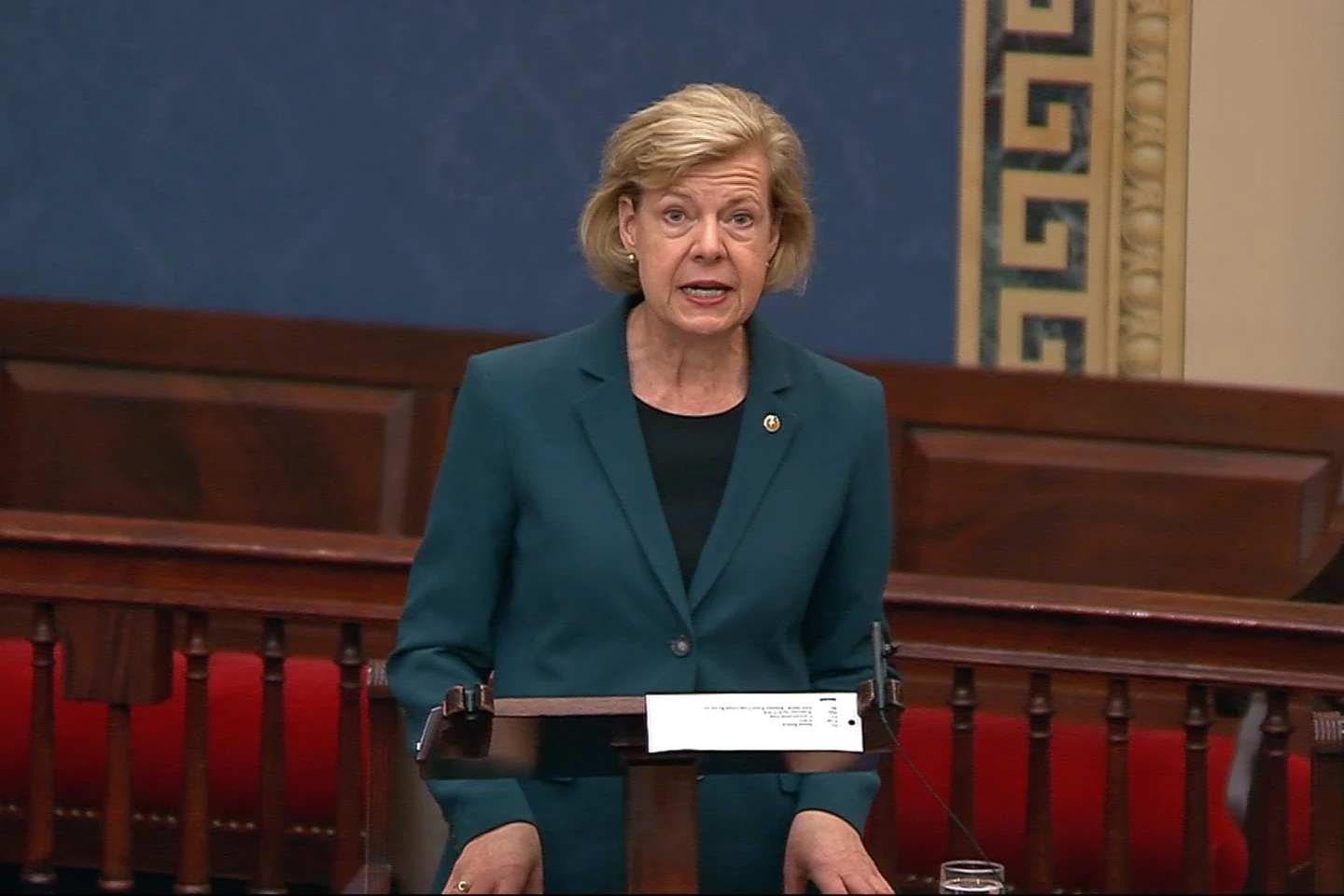
Democratic senators from Minnesota, Amy Klobuchar and Tina Smith, have publicly voiced their concerns, arguing that the GOP's actions threaten the identity of their state and the ecological integrity of the area.
Klobuchar described the Boundary Waters as a place of “mist over meadows” and urged respect for the wilderness, emphasizing that supporting mining does not mean endorsing every type of mining in every place. Smith reiterated that the current move ignores the desires of Minnesotans who wish to protect their wilderness.
No Republican senators spoke on the floor against lifting the ban.
The Boundary Waters Canoe Area Wilderness stretches for about 150 miles along the border with Canada. It’s known for its crystalline lakes and vast forests, attracting numerous outdoor enthusiasts who cherish its isolation and untouched nature.
The Duluth Complex, located in the national forest encompassing the wilderness area, contains significant deposits of various minerals. Twin Metals, a subsidiary of Chile-based Antofagasta Minerals, has proposed a mining project there. Supporters argue that the mine would generate jobs and economic growth for the region, while critics warn it poses environmental risks.
The Trump administration has aimed to boost domestic mineral production, claiming it will reduce reliance on foreign sources. This shift has reinvigorated interest in mining the Duluth Complex, despite significant environmental concerns.
Environmental groups and outdoor enthusiasts are mobilizing against the resolution, with protests highlighting the risks of mercury and sulfide contamination affecting fish and wildlife populations, particularly species vital to local Indigenous cultures.
Twin Metals has claimed the project would incorporate modern mining practices to mitigate environmental damage. However, any mining project will require numerous permits and may face challenges in court, potentially delaying operations for years, even if the ban is lifted.