In brief
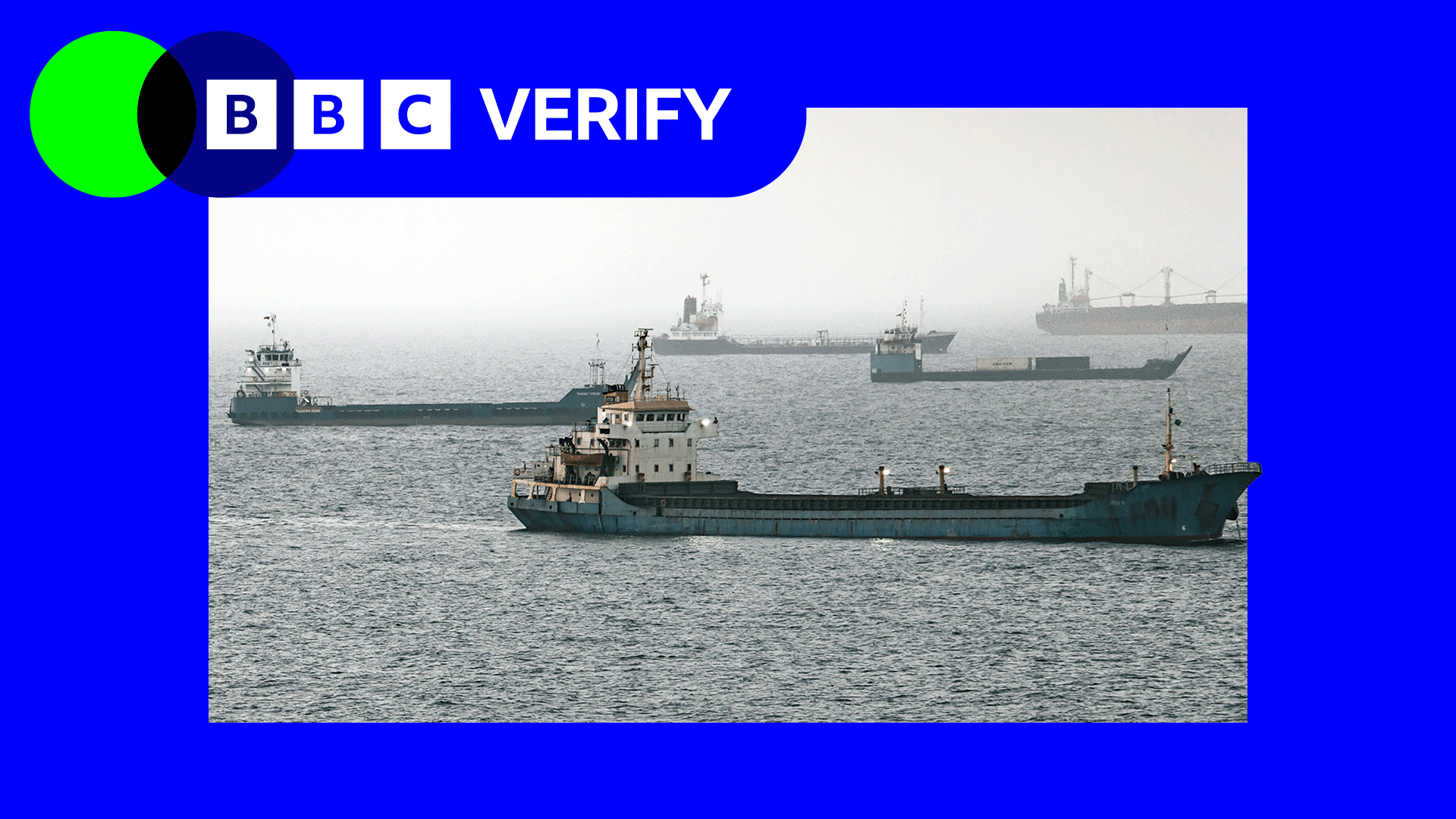
The Strait of Hormuz, a choke point through which about a fifth of the world's oil travels, has seen a dramatic decline in maritime traffic following a series of U.S. and Iranian strikes. Only 23 ships crossed on Wednesday, down from 47 the previous week and far below the pre‑conflict average of 138. The United States and Israel targeted three tankers on a U.S.‑recommended Omani route, sparking a halt in that lane and a sharp shift toward the Iranian‑controlled corridor. A 17‑June memorandum of understanding promised a 60‑day “safe passage” period, but critics note it offers no long‑term guarantee and fails to ban sea‑mine threats. The standoff highlights the delicate balance between diplomatic appeasement and military deterrence in a region critical to global energy supply.
The Gulf waterway that carries more than 20 % of the world’s oil and numerous other goods has become a flashpoint after a week of hostile strikes between the United States and Iran.
Only 23 commercial vessels crossed the Strait on Wednesday, according to maritime data company Kpler, a steep drop from the 47 that passed a week before. In the three days preceding the latest attacks the average was 10 ships a day, and the last week it closed entirely for the Omani‑recommended route.
Before the conflict the International Maritime Organization recorded an average of 138 ships crossing the Strait daily, with traffic spreading evenly between the U.S.‑recommended south‑Omani corridor and Iran’s northern corridor. After the U.S. and Israel launched their first strikes on 28 February, the numbers collapsed to just a handful of ships per day.
Iran has repeatedly insisted that it has the right to control movement in the Strait and has issued warnings that only its approved lanes should be used for safe passage. The United States has objected, promising that the corridor will remain free and open once the war ends.
A 17‑June memorandum of understanding (MOU) between Tehran and Washington committed Iran to use “its best effort for the safe passage of commercial vessels with no charge for 60 days.” It also called for dialogue with Oman to define future maritime services, yet it does not guarantee long‑term free passage or forbid seafloor mines in international lanes.
Following the MOU, the JMIC initially encouraged ships to use the new Omani route. On 25 and 27 June, two vessels in that corridor were struck, and the Omani lane traffic fell to zero the following day. The pattern of hit‑and‑run suggests a continued back‑and‑forth between U.S. and Iranian forces until the next escalation triggers a new cycle of cautious shipping levels.
The MOU’s vague language and Iran’s declarations that “foreign powers have no claim to this land” reinforce uncertainty. Maritime experts point to the fact that no calls for a permanent safety guarantee have been made, and that Iranian sea mines laid in the internationally recognised lanes are a persistent deterrent.
At the NATO summit, President Donald Trump declared the MOU “over” but was open to further negotiations. Iran claims the U.S. has violated the agreement by revoking a temporary Treasury licence that eased sanctions on Iranian oil. Analysts suggest the U.S. must balance economic incentives with military pressure if the corridor’s reopening is to be effective.
Additional reporting by Joshua Cheetham