South Korea has lodged a complaint with the Chinese and Russian defence attaches based in the country, a day after their warplanes entered its air defence zone.
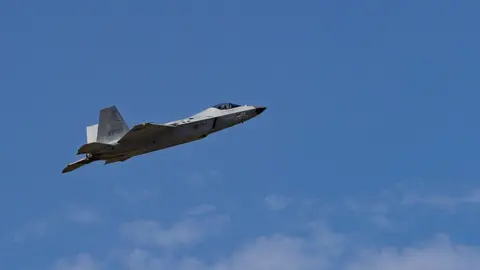
Seoul said it sent up fighter jets to take tactical measures in preparation for any emergencies after seven Russian and two Chinese military aircraft briefly entered the zone on Tuesday, but noted they did not violate South Korea's airspace.
Some countries delineate air identification defence zones, wherein they require foreign planes to identify themselves. These are not part of sovereign airspaces under international law.
In March this year, Seoul also deployed fighter jets after several Russian warplanes flew into the zone.
The Russian aircraft entered Korea's Air Defense Identification Zone (Kadiz) near Ulleung Island and Dokdo, while the Chinese aircraft entered near Ieodo, a Joint Chiefs of Staff official said, according to South Korean media.
Both sides' aircraft then regrouped in the airspace near Japan's Tsushima Island, the official said.
Our military will actively respond to aircraft activities from neighbouring countries in the Kadiz in compliance with international law, South Korea's defence ministry said on Wednesday when lodging the complaint.
Both Japan and South Korea have laid claims to the Dokdo island grouping, as has North Korea.
Ieodo - a submerged rock above the South Korean island of Jeju - is a point of dispute between Seoul and Beijing, each of whom have included it in their air defence zones.
China on Wednesday confirmed that its air force had conducted a joint patrol with Russia in the East China Sea and Western Pacific airspace.
The exercise was part of an annual cooperation plan between Beijing and Moscow to address regional challenges and maintain regional peace and stability, said a national defence spokesman.
China and Russia have entered South Korea's air defence zone without notification on several occasions since 2019, often during similar exercises.
Russia does not recognise South Korea's air defence zone, describing it as unilaterally established and saying it should therefore not create any legal obligations for other countries.