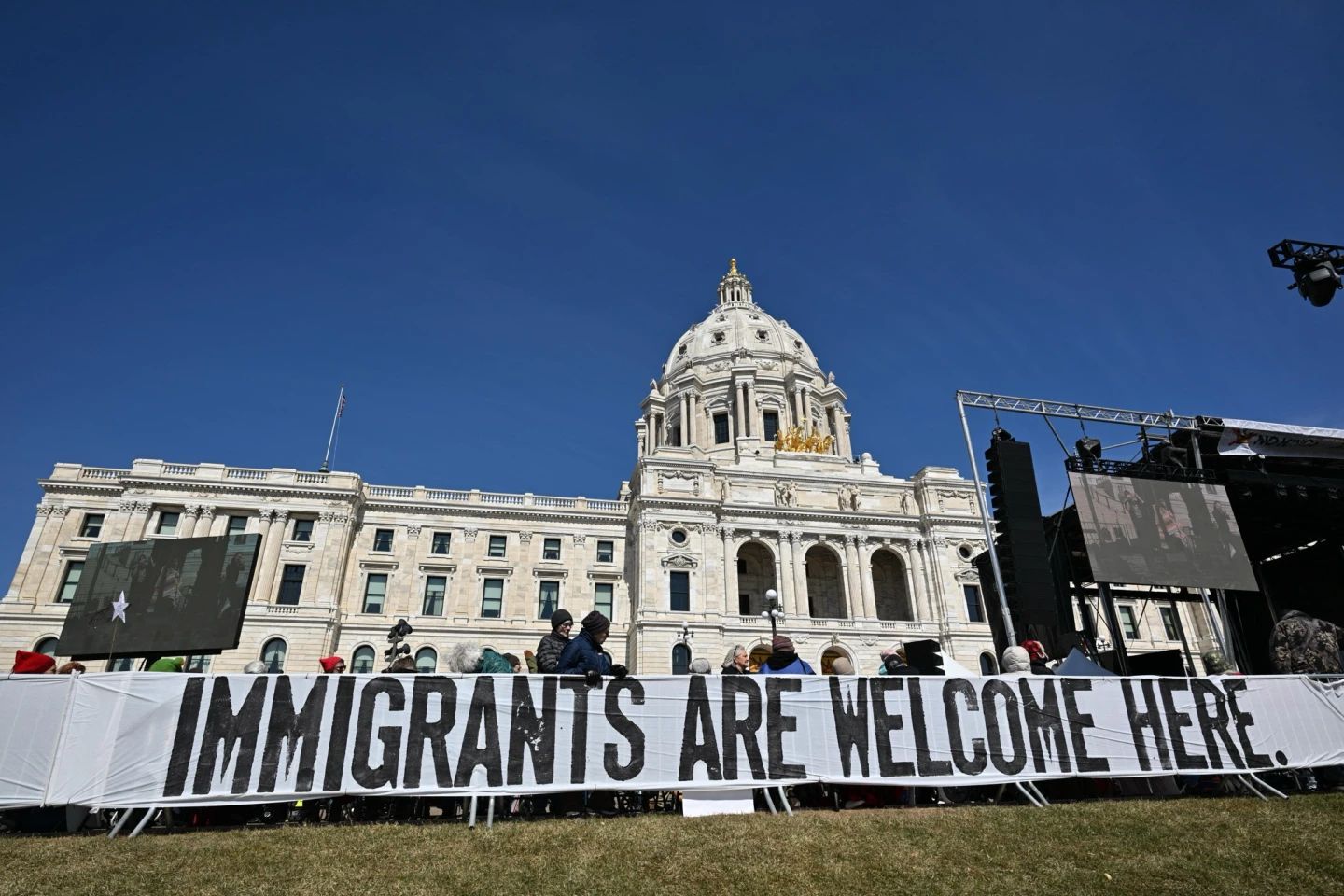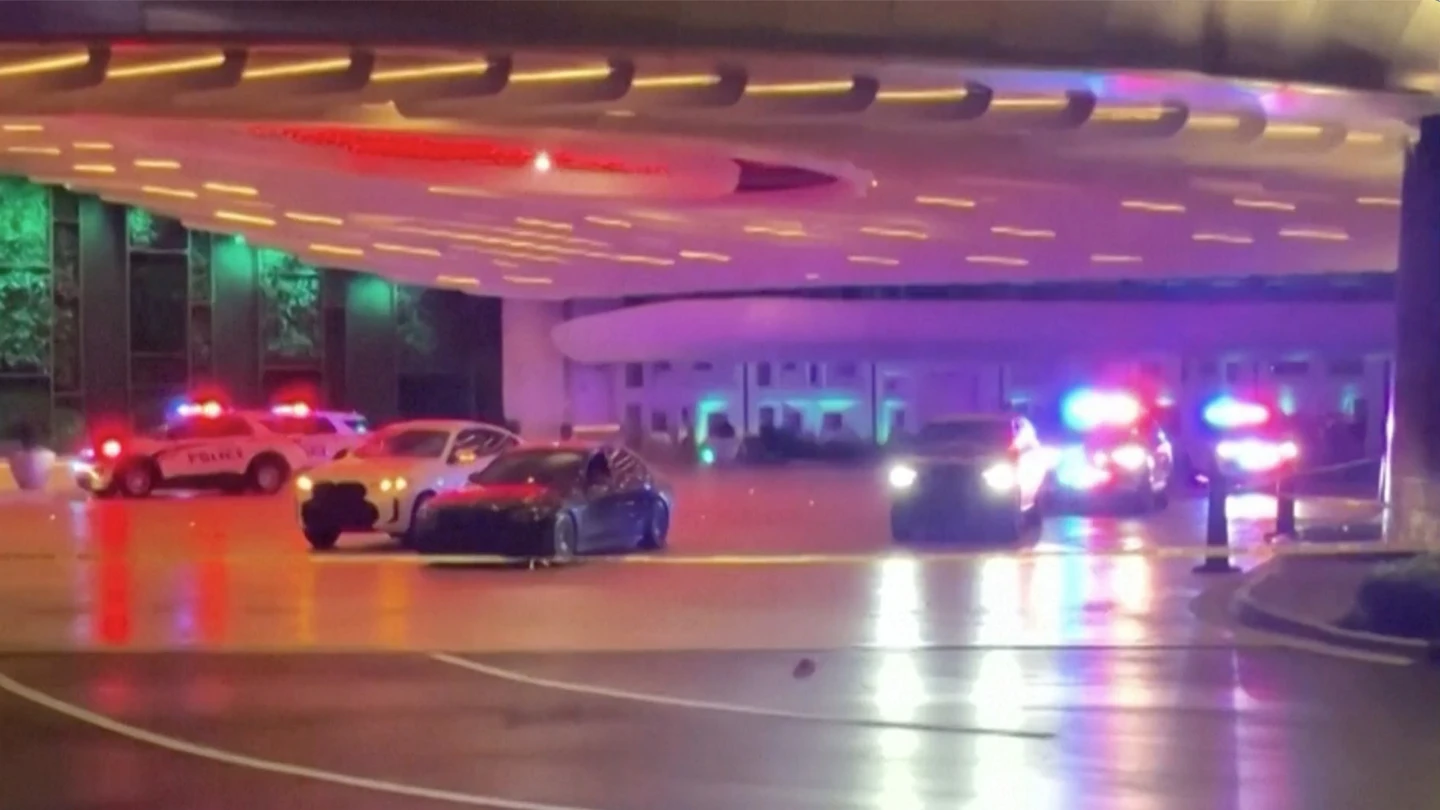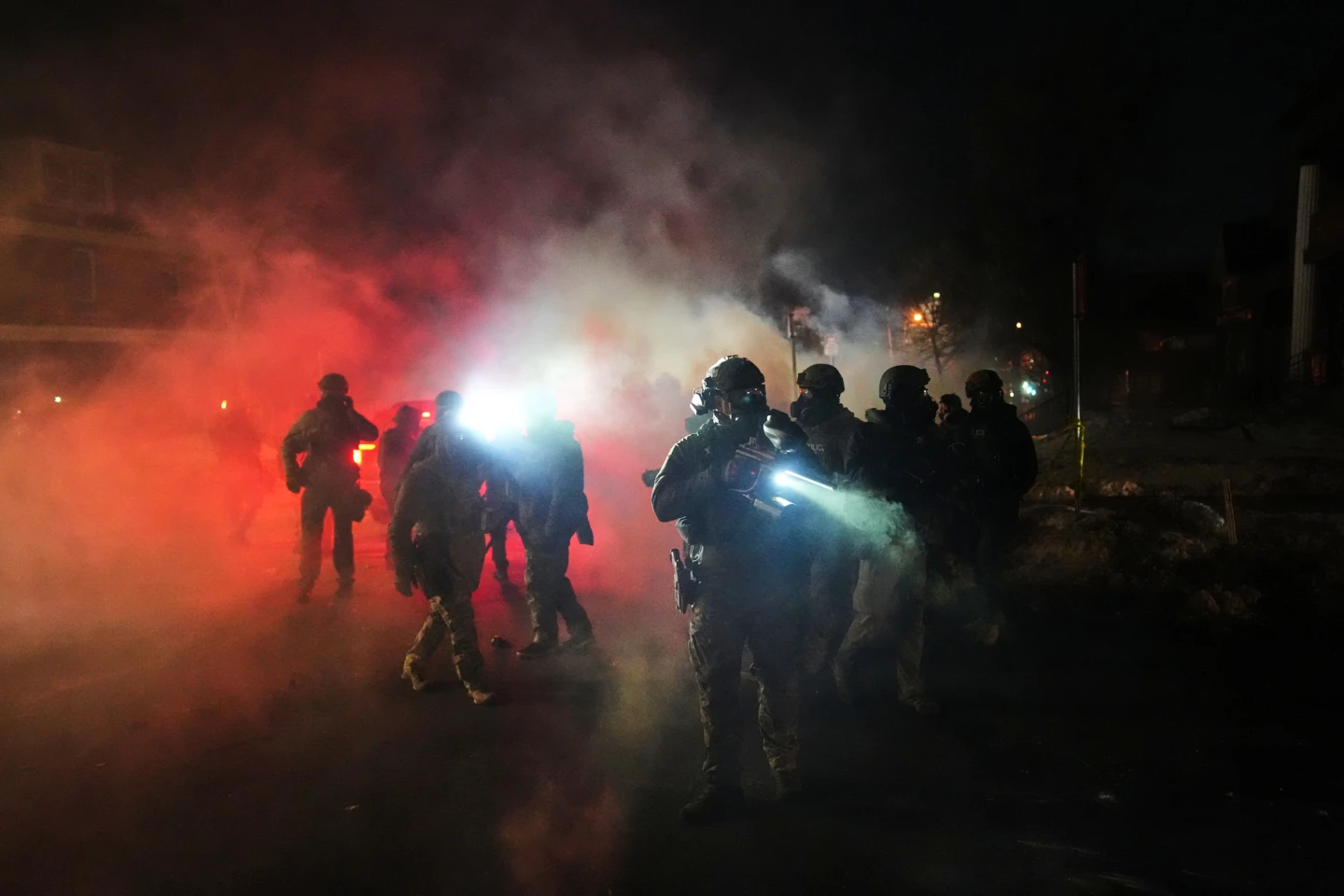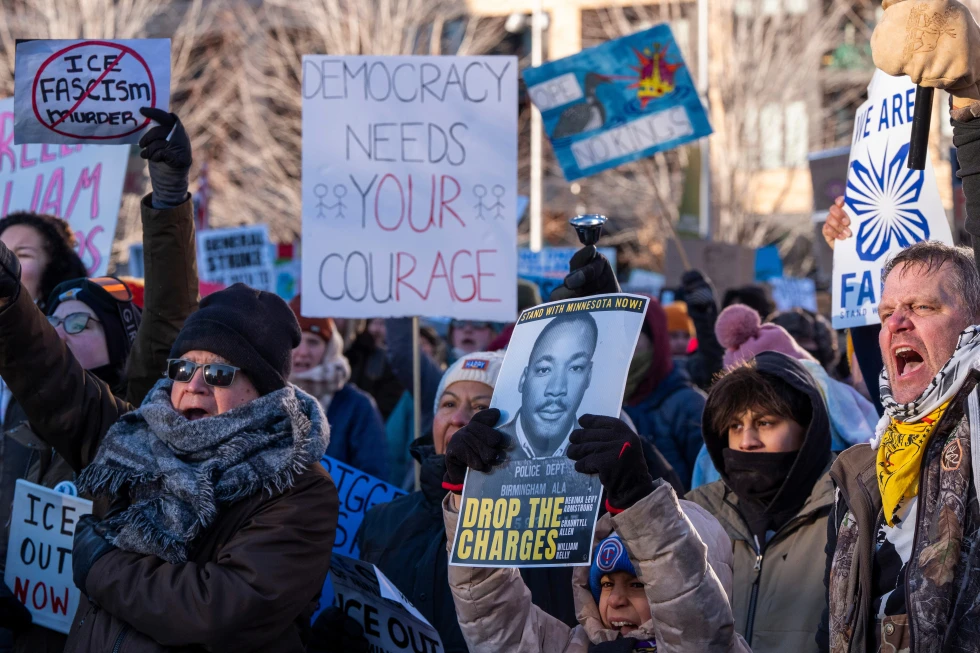
The shooting deaths of protesters Alex Pretti and Renée Good, both in Minneapolis, have raised questions reminiscent of the critiques voiced by Black families affected by police violence. Authorities moved quickly to defend the actions of federal officers, echoing narratives that have often been used in past cases involving Black victims.
Experts and advocates have criticized this approach, highlighting a troubling trend where law enforcement narratives appear to preemptively justify the use of deadly force. Timothy Welbeck, the director of the Center for Anti-Racism at Temple University, noted that the situation has resurfaced discussions about the longstanding grievances of Black Americans regarding policing practices.
These recent events have stirred emotions among families who have faced similar tragedies. Clarence Castile, the uncle of Philando Castile, expressed discomfort at the similarities in how authorities addressed the deaths of Pretti and Good, underscoring the hurried conclusions made by officials immediately after the incidents.
Protecting Investigative Integrity
Leonard Sipes, a communications veteran of law enforcement agencies, emphasized the importance of protecting investigative integrity by avoiding premature conclusions about ongoing cases. He suggested that agencies should prioritize accuracy over speed in their public communications.
The narrative surrounding Pretti and Good has transformed them into symbols of protest against federal law enforcement practices in Minneapolis. Despite denials from police regarding the claims of extremist behavior by the victims, erroneous narratives have already taken root.
Reflections on Racial Dynamics
Activists have pointed out the inevitable frustration emerging from the differing responses to police violence based on the victim's race. As Melina Abdullah from Black Lives Matter Grassroots noted, the circumstances of Pretti and Good’s deaths are part of a systemic challenge that Black Americans experience daily, reflecting a broader societal issue concerning racial injustices.
Justin Hansford, an advocate for civil rights, warned that the injustices faced by marginalized communities have a potential to ripple through society at large, calling attention to the interconnectedness of racial injustice.
Shared Trauma and the Path Forward
Families like that of Terence Crutcher, a Black man killed by police in 2016, have echoed the grief and fight for justice that come with these tragic events. His sister, Tiffany Crutcher, articulated the trauma of having to counter negative narratives while in mourning—a reality echoed by the families of Pretti and Good.
As the community reflects, some express hope that these incidents will foster a greater awareness of the need for equitable justice, regardless of the victim's race. The overarching message remains clear: the fight for justice is an ongoing struggle that transcends individual cases and requires a collective response.