In brief
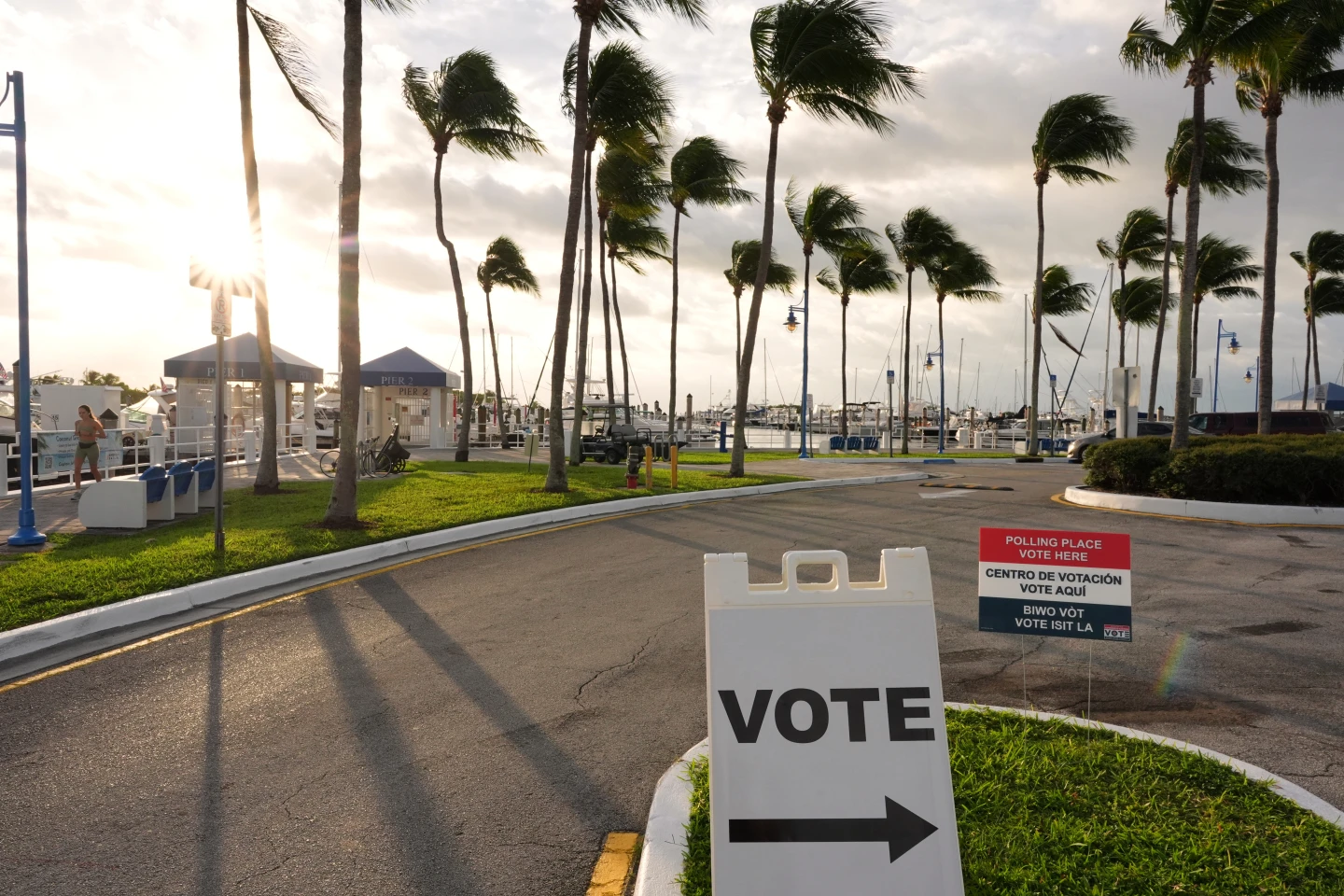
In a landmark agreement, four Republican-led states—Florida, Indiana, Iowa, and Ohio—have settled lawsuits against the federal government, securing access to essential voter citizenship data from the Department of Homeland Security (DHS). This resolution comes as tensions rise leading into the 2024 presidential elections, amid ongoing concerns about voter eligibility and calls for improved election integrity. The states will utilize the Systematic Alien Verification for Entitlements (SAVE) program to verify the citizenship status of thousands of registered voters, a process that advocates caution could lead to eligible voters being wrongly purged from rolls. This settlement aims to establish a framework for information sharing between the states and DHS which could significantly impact future elections.
DES MOINES, Iowa (AP) — Four Republican-led states have concluded a settlement with the federal government, resolving disputes over access to voter citizenship data. This agreement comes as the 2024 presidential election approaches, raising significant implications for voter verification processes.
The states—Florida, Indiana, Iowa, and Ohio—filed lawsuits against the Department of Homeland Security (DHS) roughly a year ago, claiming that the Biden administration withheld critical information regarding voter citizenship status necessary for determining the eligibility of registered voters.
As part of the settlement, these states will gain the ability to perform mass searches of voter information—using names, birthdays, and Social Security numbers—through the recently upgraded SAVE program. This system, significantly enhanced under the Trump administration, is designed for more efficient access to citizenship verification for public assistance programs, but its extension to voting eligibility checks has attracted mixed reactions.
Critics, including various voting rights groups, have expressed concerns that access to this information could lead to the wrongful purging of eligible voters from election rolls, especially as these issues are anticipated to be pivotal in the 2026 midterm elections and beyond. Furthermore, the Trump administration’s call for complete voter rolls from states has intensified scrutiny regarding the handling of such sensitive data.
Voting by noncitizens remains illegal and can result in severe legal consequences, yet past statistics indicate that incidents of noncitizen registration and voting are exceptionally rare. Nevertheless, the settlement arrives amid heightened political discourse around election integrity, particularly from Republican lawmakers who assert even minor infractions must be addressed.
The SAVE program, traditionally utilized for verifying public benefit applicants' eligibility, will undergo a transformation following this agreement. The states will be responsible for developing a memorandum of understanding with DHS that outlines the usage and sharing of data, further promising to supply DHS with a sample of driver’s license records to improve the system.