In brief
The U.S. Justice Department has launched an investigation into the suspension of the White House press pool by several major television networks during coverage of former President Donald Trump. The probe focuses on potential violations of the Sherman Act. The move follows the Trump administration's revocation of credentials for reporters at CNN, MS Now and Politico, prompting a temporary boycott that raised questions about competition and press freedom. The DOJ seeks to determine whether the boycott constituted unlawful coordination. The case highlights broader tensions between the administration and mainstream media and the legal boundaries of antitrust law in the context of news operations.
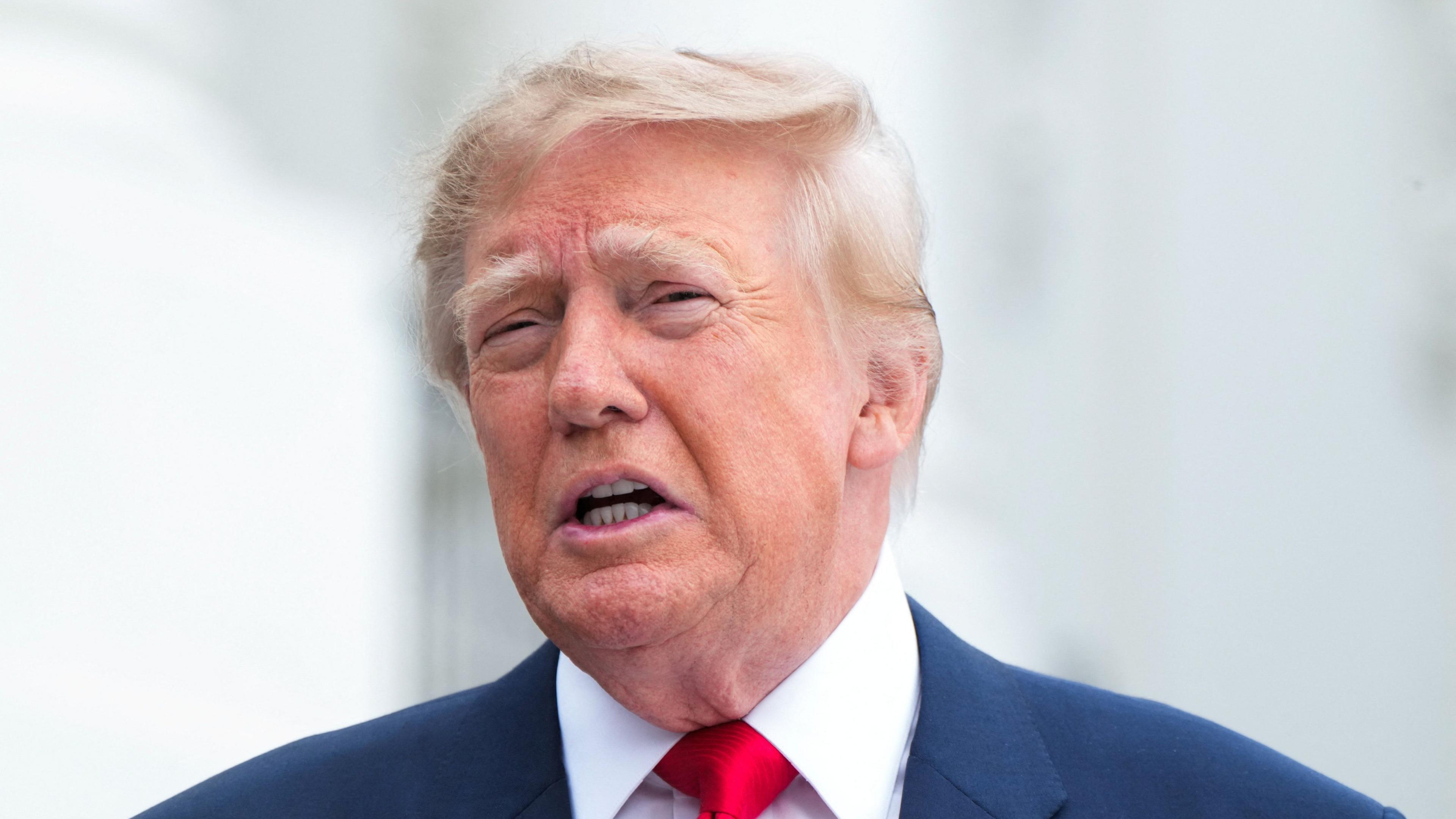
The U.S. Justice Department is investigating whether several major television broadcasters violated federal competition laws by suspending the shared White House press pool during coverage of former President Donald Trump.
The dispute began when the Trump administration withdrew credentials from reporters at CNN, MS Now and Politico. In response, the networks halted the pool for several days, disrupting live coverage.
The broadcasters involved—ABC, CBS, CNN, NBC and Fox News—operate news operations that normally share material produced within the pool, including photographs, videos and written reports.
The investigation centers on the Sherman Act, a federal antitrust statute that bars companies from engaging in monopolistic coordination among competitors. The DOJ is asking whether the boycott amounts to unlawful cooperation.
Under normal circumstances, members of the White House press pool exchange resources with all accredited media outlets, ensuring a wide range of coverage. The suspension disrupted this established practice.
A Justice Department spokesperson said, “We are investigating to determine whether these broadcasters have violated antitrust law in their suspension of the pool.”
None of the networks have issued a formal statement regarding the investigation at this time.
The Trump administration had earlier alleged that the outlets were publishing “false” or “fiction” about the administration, prompting the credential revocation. After a federal judge ruled that the block was unlawful under the First Amendment, the White House restored access to the affected outlets.
The First Amendment protects the press from government censorship, a principle courts have generally interpreted as preventing the government from discriminating against coverage based on its content.
Trump has also taken legal action against other media organisations, filing lawsuits alleging unfair or defamatory coverage of his administration.
In February, the administration moved to take control of the press pool—a role traditionally managed by the White House Correspondents' Association—sparked further controversy.
In addition, the administration barred Associated Press reporters from certain venues over a terminology dispute, a case that remains pending in court.
The Justice Department’s investigation underscores broader tensions between the Trump administration and mainstream media, raising questions about the limits of antitrust law in the context of press operations and the protection of news coverage under constitutional guarantees.