Portland, Ore. (AP) — The Pacific Northwest is preparing for another wave of heavy rain after a significant storm earlier this week that caused river surges, road closures, and emergency rescues across the region.
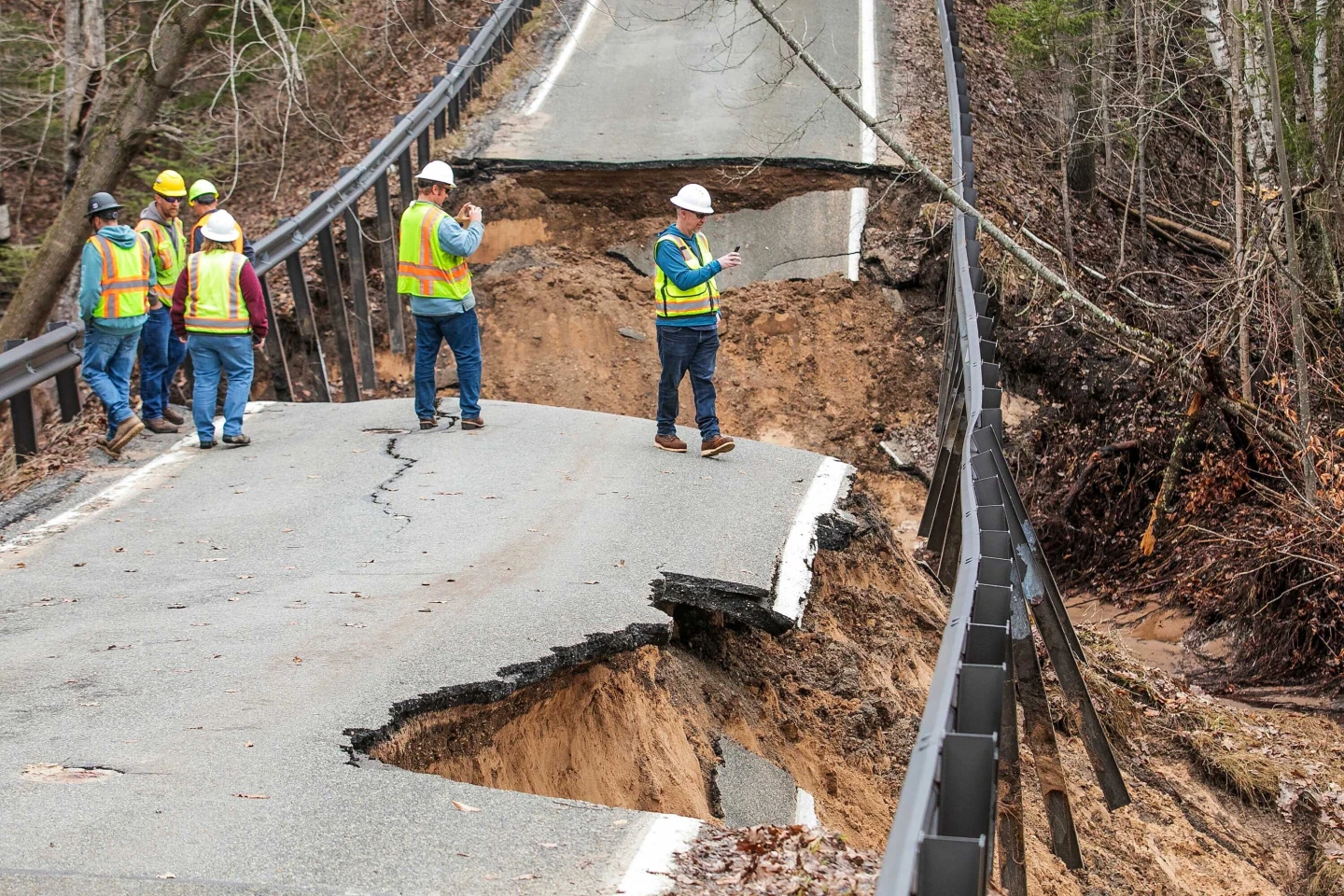
The first of a series of anticipated storms battered the region, resulting in power outages, flash floods, and school cancellations in different parts of Oregon and Washington on Tuesday. Drivers faced hazardous conditions with debris-laden roads and submerged vehicles.
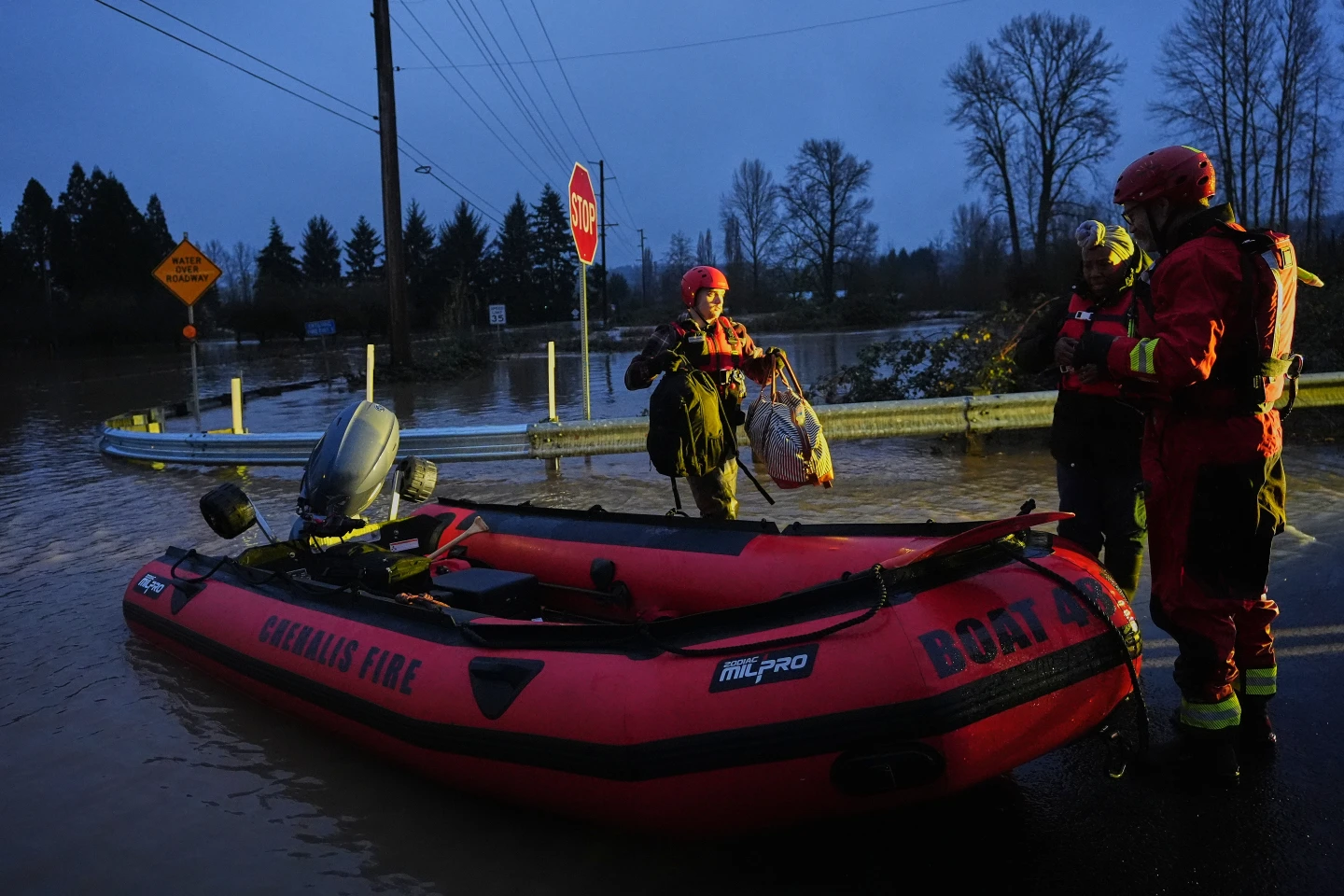
Rescue operations in areas northeast of Seattle involved inflatable kayaks to assist individuals trapped in vehicles and even required carrying one person to safety after they became stranded in the woods.
Washington Governor Bob Ferguson announced via the social platform X that the state's Emergency Operations Center was activated to its highest alert level in response to the storm's impact.
Forecasters are warning that river levels are expected to rise dramatically, with the Skagit River predicted to crest at over 15 feet above major flooding levels by Thursday, potentially breaking historical records.
Harrison Rademacher, a meteorologist with the National Weather Service's Seattle office, described the situation as an “atmospheric river,” projecting moisture across the Pacific Coast, creating intense rainfall across Oregon and Washington.
Moreover, flood watches are in force, indicating increased likelihood for flash floods as well as hazardous conditions in the Cascade Mountains through midweek.
Reports indicated that along Interstate 5 between Seattle and Portland, multiple rescues were executed by firefighters who responded to calls about individuals driving on flooded roadways, including a driver of a semi-truck. In one notable rescue, a family of six was evacuated from a home in Chehalis as water levels rose significantly around them.
Additionally, police have begun door-to-door evacuations in vulnerable neighborhoods and have placed emergency protocols in various locations, including the city of Snohomish and neighborhoods along the White River.
In parallel to the situation in the Pacific Northwest, southeast Alaska is observing a contrasting weather pattern that could result in extreme wind chills, with temperatures plummeting to minus 50 degrees in Skagway.
The Pacific Northwest anticipates another storm system set to arrive over the weekend, leading to further unsettled weather as the region approaches the holidays.