
In brief
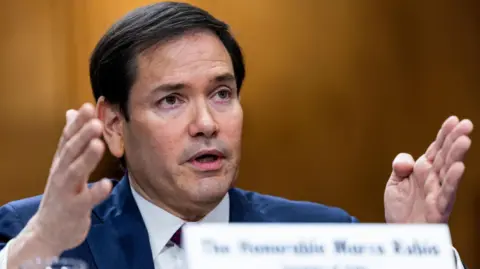
During a recent heated hearing, Secretary of State Marco Rubio reaffirmed the Trump administration's stance on Venezuela, asserting that military actions taken to remove Nicolás Maduro would ultimately benefit the nation. This session followed significant US military operations and discussions surrounding the legal implications of such interventions. Critics questioned the framework and justification for these actions, while Rubio maintained that US involvement aims to stabilize the region and rehabilitate its economy through direct control of Venezuela's oil revenues.
Many members of the Senate Foreign Affairs committee have long sought an opportunity to question the US Secretary of State on Venezuela. Their call for a hearing was finally fulfilled amidst the aftermath of unprecedented US airstrikes in Caracas and the removal of Nicolás Maduro from power earlier this month.During the hearing, Rubio emphasized the administration's narrative that the US was not engaged in a war with Venezuela, describing military operations as law enforcement actions rather than acts of war. He painted a picture of Maduro as an indicted criminal unworthy of trust or negotiation.Despite criticisms regarding military intervention, Rubio remained steadfast in his belief that US actions, including the removal of Maduro, would help restore democracy and prosperity in Venezuela. He claimed these efforts would eventually lead to improved security in the region.The Secretary outlined a plan to maintain control over Venezuela's oil industry revenues, stating that profits would be redirected towards supporting US industries rather than serving debts to other nations like China or Russia.As the hearing unfolded, Rubio refused to rule out additional military options, reiterating that the administration aims for transformative changes in Venezuela that would also affect its ally, Cuba. Observers worldwide will be watching how this situation develops, particularly the implications of US energy policies in the region.


