
In brief
Brent crude plunged more than 9% to $87.59 a barrel as the United States and Iran paused attacks, a move that could ease tensions over the crucial Strait of Hormuz. The temporary ceasefire, confirmed by the US ambassador to the UN and an Iranian army spokesperson, is seen as a window for talks. While the fall reversed earlier week gains that pushed prices above $100, analysts note that uncertainty remains, with geopolitical twists still clouding forecasts. Energy‑related inflation shows troubling signs for the European market, and central banks may adjust rates to counter rising costs.
Oil markets tensed and then eased after a temporary halt in hostilities between the United States and Iran.
Brent crude fell more than 9% to $87.59 a barrel, a sharp reversal from the over $100 peak reached earlier in July. The dip followed confirmation from the U.S. ambassador to the UN that attacks on Iranian forces had been halted for two nights in a row, and an Iranian army spokesperson echoed the pause.
The ceasefire sparked optimism that the conflict might de‑escalate, easing pressures on the Strait of Hormuz – a channel that carries roughly 20% of the globe’s oil and LNG traffic. Earlier, a June memorandum of understanding between Tehran and Washington had allowed the strait to reopen, which saw prices slip to around $70.
However, the collapse of the recent truce, coupled with Houthi militia raids on oil tankers in the Red Sea, reignited concerns about supply security and again pushed prices upward. Last week Brent even reached $100 a barrel for the first time since May.
"Markets remain cautious given the twists and turns during this conflict," said Susannah Streeter, chief investment strategist at Wealth Club. She added that uncertainties remain about whether negotiations will result in a lasting breakthrough.
The fallout of the confrontation has also raised European gas storage volumes, which were reported at historic lows by Wood Mackenzie. Their research warned that if the Strait of Hormuz stays closed for a further two months, winter gas inventories may dip below 70% by November, below the five‑year average of 90%. This scenario could push up prices into 2027, according to vice‑president of gas and LNG research at Wood Mackenzie, Massimo Di Odoardo.
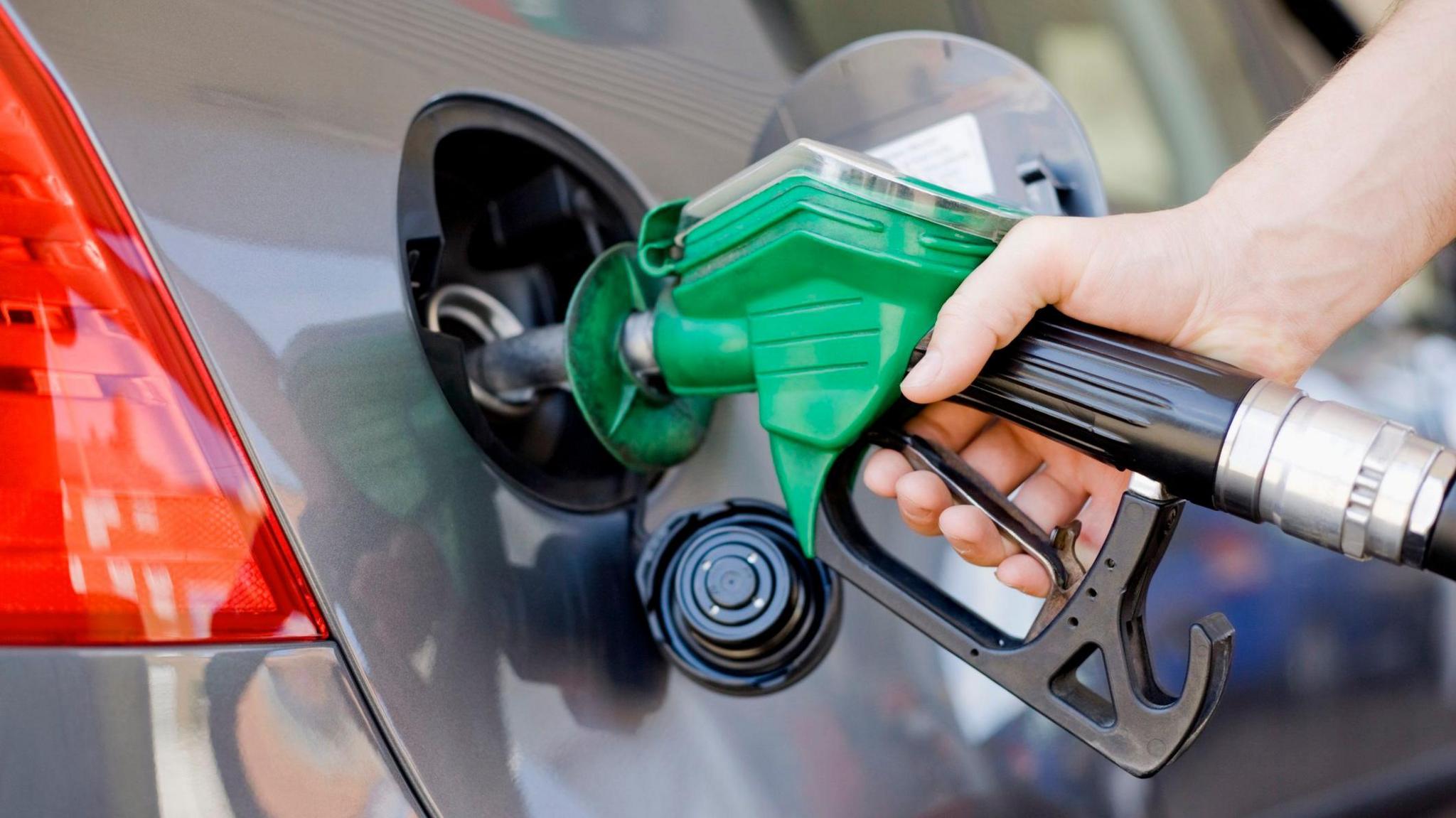
In many nations, the spike in oil prices has pushed up gasoline and diesel costs, with trickle‑down effects on food and other consumer goods, accelerating inflationary pressures. Central banks have responded by tightening policy, as the European Central Bank recently raised its key rate for the first time in three years. In the United Kingdom, the Bank of England is expected to keep its rate at 3.75% in a forthcoming meeting, after incoming market forecasts moved away from cuts to a late‑year hike.
While the latest pause may temporarily calm markets, analysts forecast that the overarching geopolitical volatility will continue to weigh on global oil prices, as any resurgence of conflict or maritime disruption could rapidly reverse gains.


