
In brief
Sean Grayson, a white sheriff's deputy, is on trial for the murder of Sonya Massey, a Black woman who called 911 for assistance. Prosecutors claim Grayson’s actions were unjustified, while the defense argues he acted under perceived threat after Massey approached him with a pan of hot water. The case has ignited discussions surrounding police shootings of Black individuals and led to calls for greater transparency in police recruitment processes in Illinois.
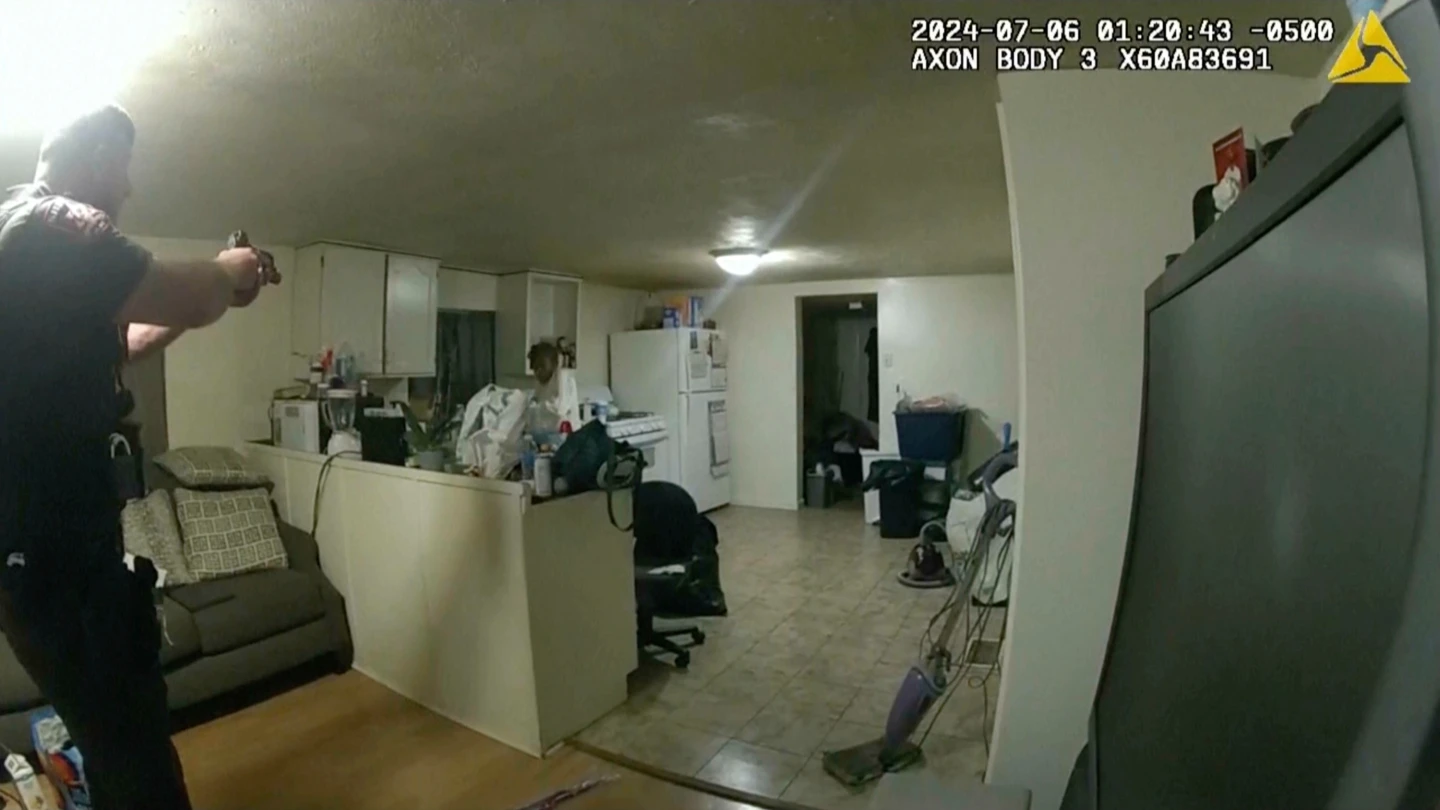
PEORIA, Ill. — Sean Grayson, the Illinois sheriff’s deputy charged with the murder of Sonya Massey in her Springfield home last year, faced scrutiny during his trial for allegedly disregarding police training and procedures when he shot the woman who had called 911 seeking help. Grayson, a white officer, is charged with three counts of first-degree murder for the July 6, 2024, incident that resulted in the death of the 36-year-old Black mother. Prosecutor John Milhiser emphasized that body camera footage would reveal Massey posed no threat when deputies entered her residence. She’s a little scattered but she’s nice and kind and talking to [the officers], Milhiser stated, insisting evidence will show Massey was compliant and that Grayson acted out of anger rather than lawful justification when he shot her. Grayson’s attorney, Daniel Fultz, urges the jury to consider the context of the situation, arguing that Massey lifted the pot of hot water toward Grayson — an action he described as forcing the officer to make a difficult decision.The incident has sparked significant dialogue on the treatment of Black individuals by law enforcement in domestic settings. This case has become emblematic of broader issues regarding police accountability and has prompted legislative changes in Illinois regarding transparency in the background checks of police recruits. The fallout from this case raises pertinent questions about the protocols we expect law enforcement officers to follow, especially in interactions involving individuals with mental health issues. Grayson, now 31, could face 45 years to life if convicted of murder, as discussions surrounding the implications of his actions continue to unfold in the public eye.

