Maine ICE Operation Kills Colombian National, Sparking Investigation and Protests
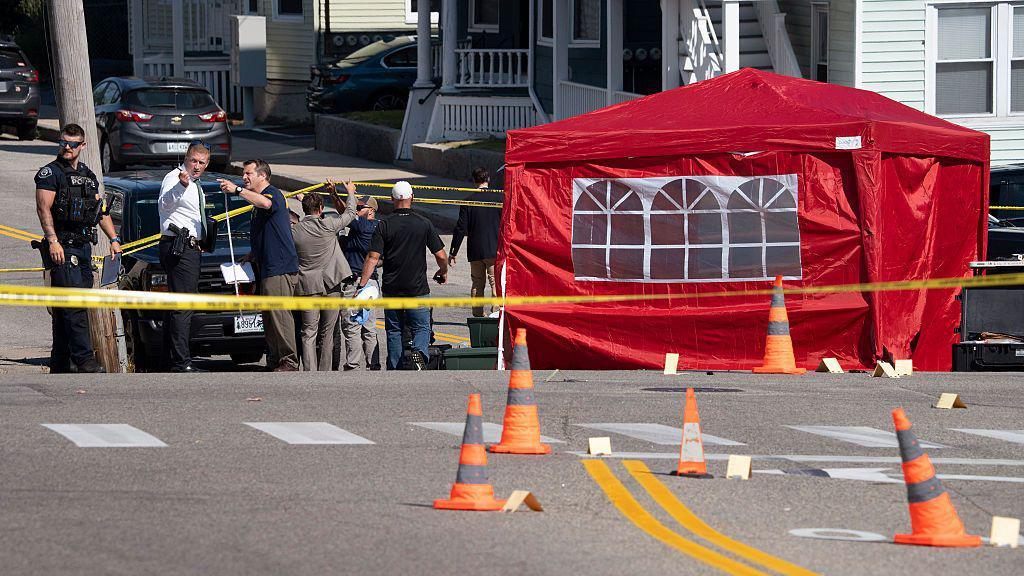
In the early hours of Monday in Biddeford, Maine, an Immigration and Customs Enforcement (ICE) agent discharged his firearm during a routine enforcement operation, striking a Colombian man who was in a white sedan. The agent, who is attached to the Enforcement Removal Operations (ERO) unit, was told the vehicle had a person with a final order of removal, and that the driver was attempting to flee the scene.
The victim, 26, was identified only as a Colombian national authorized to work in the United States. The Nebraska‑based foreign‑embassy has released a statement confirming the victim's nationality and demanding information from the Department of Homeland Security (DHS) about the circumstances of the shooting.
Maine’s Attorney General, Democrat Aaron Frey, stated that the officer's actions were taken out of a perceived threat to public safety, yet the agency has removed the agent from duty pending a full investigation. The DHS Inspector General is overseeing the inquiry, while Senator Susan Collins, a Republican advocate for ICE, has also called for a transparent review. Independence Senator Angus King reported confusion in the federal chain of communication, noting an earlier directive describing the individual as a target for arrest, only to later be reassured that he was not the intended target.
Local observers and activists in Biddeford seized on the incident. Protesters gathered immediately after the shooting, marching down main streets to express outrage at what they see as an indiscriminate use of deadly force. Other demonstrators assembled outside Collins' Portland office, demanding the senator’s withdrawal from ICE funding and calling for systemic reforms to immigration enforcement.
The incident aligns with a troubling pattern. Only a week earlier, an ICE agent had fatally shot a 52‑year‑old Mexican construction worker in Houston, despite the DHS stating he was not the intended target of the operation. The event, in conjunction with prior cases where ICE agents killed protester Alex Pretti and American citizen Renee Good, has drawn attention to the increased use of enforcement surges in the United States under previous administrations.
In the face of mounting scrutiny, policymakers and civil‑rights groups are questioning the operational protocols for ICE agents. Calls have been made for a review of the use‑of‑force criteria, expanded body‑camera mandates, and clearer guidelines around the deployment of lethal force in immigration contexts. As the investigation unfolds, stakeholders are weighing the balance between enforcing immigration law and protecting the human rights of migrants in the United States.
For further detail on the case and background into ICE operations, visit the