The leader of France's far-right National Rally (RN) Jordan Bardella has welcomed for the most part concerns raised about Europe in US President Donald Trump's new National Security Strategy.
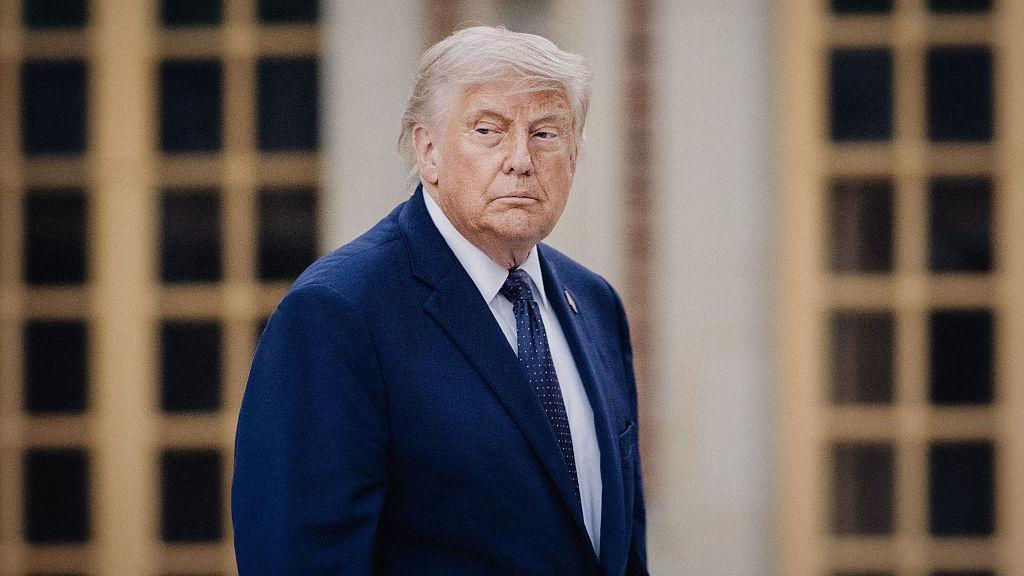
Last week, the White House published a document which outlined Trump's vision of the world and the state of the European continent, which many have characterised as harshly critical of Europe.
Speaking to the BBC's Nick Robinson for his Political Thinking podcast, Bardella praised what he said was Trump's appeal to American pride - but he made clear he did not want Europe to be subservient to any major power.
He said there was a wind of freedom, of national pride blowing all over Western democracies.
In a wide-ranging interview, the 30-year-old, who opinion polls suggest leads in the race to be France's next president, was also challenged on the RN's political history and his stance on immigration.
Bardella said he shared the majority of the concerns outlined by the Trump administration about Europe facing civilisational erasure, a term used to describe the threats attributed to a variety of migration policies.
Mass immigration and the laxity of our governments in the last 30 years with regard to migration policy are shaking the balance of European countries, of Western societies, and namely French society, Bardella stated.
With snap parliamentary elections set for June 2024 and the RN positioning itself as a predominant force in French politics, Bardella stands at a pivotal moment in his political career.
Polls indicate that he might secure 44% of the vote in the upcoming presidential elections—the expected successor to Marine Le Pen, who faces legal uncertainties that could bar her from running.
Bardella aims to reshape perceptions of his party and has candidly acknowledged France's complex relationship with immigration, emphasizing a commitment to national identity while also confronting historical prejudices associated with the RN's roots.
If tomorrow I am the head of government, France will no longer be the target of mass immigration, he projected, outlining plans for a potential referendum on immigration despite constitutional hurdles.
In terms of the French economy, Bardella criticized high taxation and regulation, placing emphasis on the need for revitalization within the national economy, stating, We face two ailments – excessive taxation and excessive regulation.
As he prepares for potential confrontations with established political ideologies, Bardella remains focused on the issues that resonate with the electorate, promising a stricter approach towards immigration and national security, amidst calls for unity and cooperation with other political factions.