Trump's Central Bank Destiny: Kevin Warsh's Appointment and Its Implications
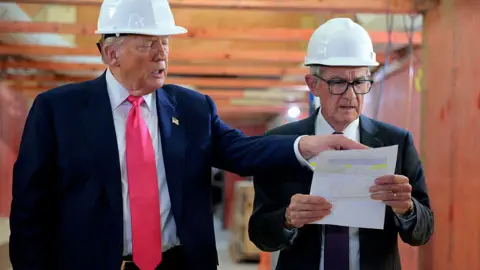
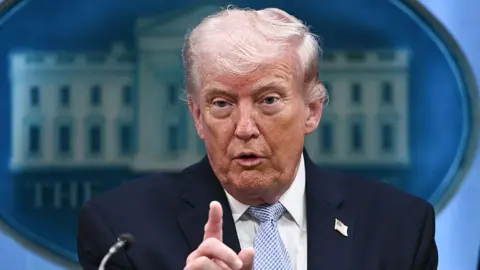
Donald Trump has been vocal about his desire for change at the US central bank, especially as Jerome Powell's term as Federal Reserve chair is nearing its conclusion. With recent developments, it seems Trump may finally get a chance to reshape the institution in the way he envisions.
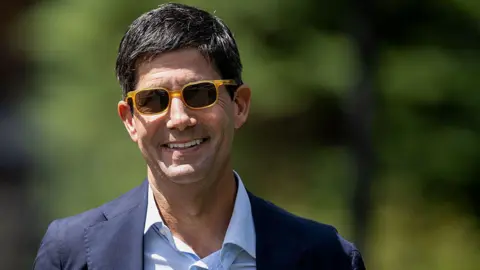
On Friday, Trump announced the nomination of Kevin Warsh, a conservative previously overlooked for the position, expressing confidence in his decision. Warsh is 'central casting' and he will never let you down, Trump stated on social media.
However, the choice raises eyebrows as Warsh is primarily identified with advocating for higher interest rates—a position contrary to Trump's preference for lower rates. This irony highlights the dichotomy between Trump's monetary strategies and Warsh's established viewpoints.
Despite this, Warsh's selection could signal a shift towards a Fed that might still align with Trump’s aspirations. His traditional background, including time at the Federal Reserve and Wall Street, suggests a level of expertise that could be valuable in navigating the challenging economic landscape.
Supporters tout Warsh's sensitivity to maintaining the bank's autonomy, a sentiment echoed by prominent economists and Wall Street analysts. His caution against politicizing monetary policy is considered a necessary balance, particularly in light of Trump’s previous criticisms of Powell.
Critics, however, question Warsh's motivations, pointing to his connections to Trump donors and pondering whether his appointments are merit-based or influenced by personal affiliations. Furthermore, some highlight his contentious past decisions, notably his opposition to economic stimulus during the 2008 financial crisis, prompting concerns about his suitability to respond to current economic challenges.
As discussions about Warsh's appointment progress in Congress and on Wall Street, analysts express cautious optimism, noting that despite Trump's complaints, the Fed has already started cutting interest rates to support economic recovery. Still, the tension between maintaining the Fed's independence and the political pressures from the White House looms large.
Warsh's approach may necessitate a delicate balancing act. On the one hand, he could lead the Fed towards lowering interest rates without sacrificing his economic credibility; on the other, implementing rapid changes could disrupt the financial markets, posing risks that the current economic environment is ill-prepared to handle.
Looking ahead, Warsh's potential tenure at the Fed may not only serve as a test of Trump’s influence over the institution but could also redefine the future trajectory of US monetary policy. With differing perspectives on what Warsh’s leadership will herald, the forthcoming months will be crucial in determining both the Fed's direction and its role within the broader economic landscape.