
In brief
In a controversial immigration operation in Chicago's South Shore neighborhood, heavily armed agents detained numerous individuals, claiming to target gang affiliations but also affecting many local U.S. citizens. The aggressive approach has ignited discussion on community safety, race relations, and the broader implications of government policies on immigration. As tensions rise, residents reflect on the impact of these actions in a historically dynamic and diverse neighborhood.
CHICAGO (APP) — Recent immigration raids in Chicago, involving heavily armed agents descending from helicopters, have raised alarms among residents and ignited heated debates over community safety and immigration policies. Targeting the Venezuelan gang Tren de Aragua, the operation led to the arrest of 27 individuals, with claims that only two were tied to gang activities. However, the raids predominantly impacted immigrant communities and U.S. citizens alike.
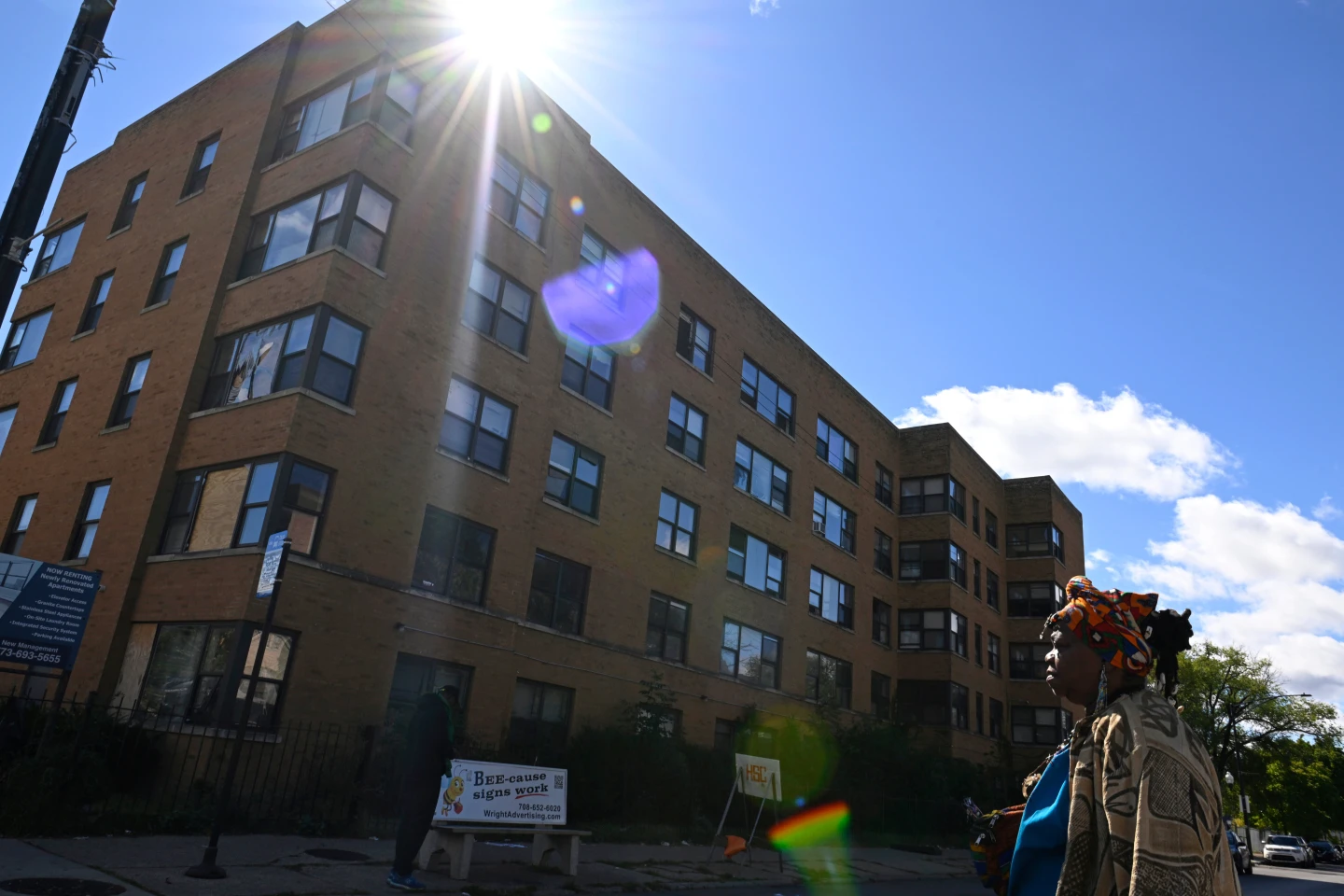
The scenes depicted in the media reflect a compounded tension in the city, especially in neighborhoods facing socio-economic challenges. Residents described feeling under siege, with one U.S. citizen, Tony Wilson, stating, It was like we were under attack. Following the raid, many apartments were found ransacked, and the notorious building had a history of mismanagement, adding to community frustrations.
Community Response
Local residents expressed fear, confusion, and indignation over the operation. Leaders like Mayor Brandon Johnson criticized the aggressive tactics, suggesting they promote chaos rather than safety in an already strained environment. Critics argue that these heavy-handed approaches are intended to fuel further divides in a city with a complex racial and immigrant landscape.
Historical Context
The South Shore area has seen significant demographic shifts over the decades, where previous waves of immigrants faced similar scrutiny from established residents. Community leaders emphasize the need for unity rather than division, pointing out that many recent arrivals from Venezuela seek only to build better lives in a new home.
The Trump administration's immigration policies have prompted these intense crackdowns, culminating in more than 1,000 arrests across the Chicago area in just weeks. While authorities defend their actions as necessary for public safety, many within the community see these measures as exaggerated and politically motivated.
Looking Forward
As Chicago grapples with these heightened tensions, discussions around how to better integrate immigrants while addressing native residents' concerns remain critical. The impact of the raids, seen by some as a media spectacle, continues to resonate in the community, prompting voices for more compassionate and systematic changes in handling immigration and community safety issues.

