
In brief
Capitol Police officers Daniel Hodges and Harry Dunn sued the federal government to prevent Jan. 6 rioters and others from receiving payments from a $1.776 billion settlement fund created from Trump's IRS lawsuit. The officers claim the fund 'encourages those who enacted violence in the President's name to continue to do so,' while Attorney General Todd Blanche defended the fund as necessary for victims of politically motivated prosecutions. The lawsuit alleges the fund violates constitutional and federal law, but the government maintains it complies with legal requirements and will consider individual actions when determining eligibility.
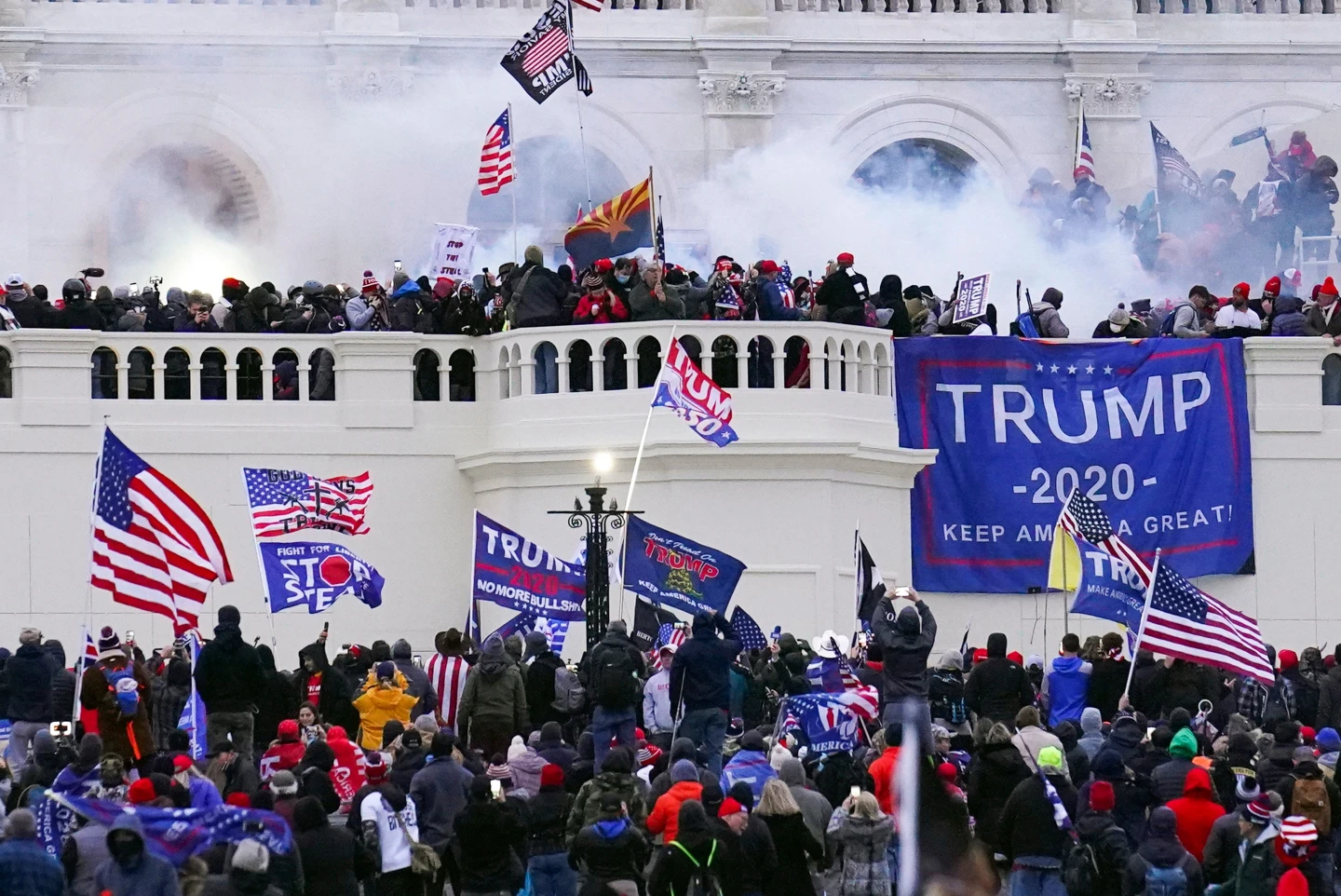
WASHINGTON — Two Capitol Police officers who defended the U.S. Capitol during the Jan. 6, 2021 riot filed a federal lawsuit Wednesday seeking to block payouts from a $1.776 billion settlement fund created through a legal resolution of former President Donald Trump’s IRS lawsuit. The officers—Metropolitan Police Department officer Daniel Hodges and former U.S. Capitol Police officer Harry Dunn—argue the fund illegally enables those who committed violence during the riot to receive compensation.The lawsuit contends the government’s 'Anti-Weaponization Fund' is unconstitutional, claiming it lacks statutory authorization and constitutes a 'slush fund' designed to finance violent actors under Trump’s influence. The suit states, 'The fund’s creation is the most brazen act of presidential corruption this century' and demands its dissolution. Officers allege the fund 'substantially increases the danger' faced by law enforcement, citing their personal experiences of being attacked by rioters on Jan. 6.Acting Attorney General Todd Blanche, who defended the fund’s creation during a congressional hearing, stated that a five-member commission appointed by the attorney general will review individual cases to determine eligibility for payments. Blanche argued that 'people that hurt police get money all the time' from suing the government, but dismissed backlash against the fund as 'fake outrage.'The fund originated from a settlement of Trump’s $10 billion lawsuit against the IRS over tax records leaks. It aims to compensate individuals claiming they were targeted by politically motivated prosecutions under previous administrations. More than 1,600 people have faced charges related to the Jan. 6 events, though Trump pardoned all cases last year. The officers’ attorneys note the fund’s design 'encourages those who enacted violence in the President’s name to continue to do so,' with Dunn stating that threats against law enforcement 'are increasing' due to the fund's existence.Legal experts have questioned the fund’s constitutionality, noting it lacks clear congressional authorization. Meanwhile, proponents argue it addresses potential abuses in the justice system. The officers’ legal team includes Brendan Ballou, a former Justice Department prosecutor who handled Jan. 6 cases, while the Treasury Department and Blanche face as defendants in the suit.The case raises complex questions about the balance between compensating victims of government actions and preventing funds from incentivizing future violence. As the commission prepares to determine eligibility criteria, the lawsuit highlights tensions over the definition of 'politically motivated prosecutions' and the role of the executive branch in shaping legal remedies.}

