
In brief
President Trump has expressed intentions to reinstate federal control over Washington, D.C.'s police department, triggered by Mayor Muriel Bowser's refusal to engage with ICE. This announcement comes after his previous order expired, which had placed local law enforcement under federal authority amid declining crime rates. The mayor emphasizes her commitment to cooperate with other federal agencies while standing firm on immigration enforcement policies. This unfolding situation coincides with legislative movements in Congress concerning D.C. governance and judicial procedures.
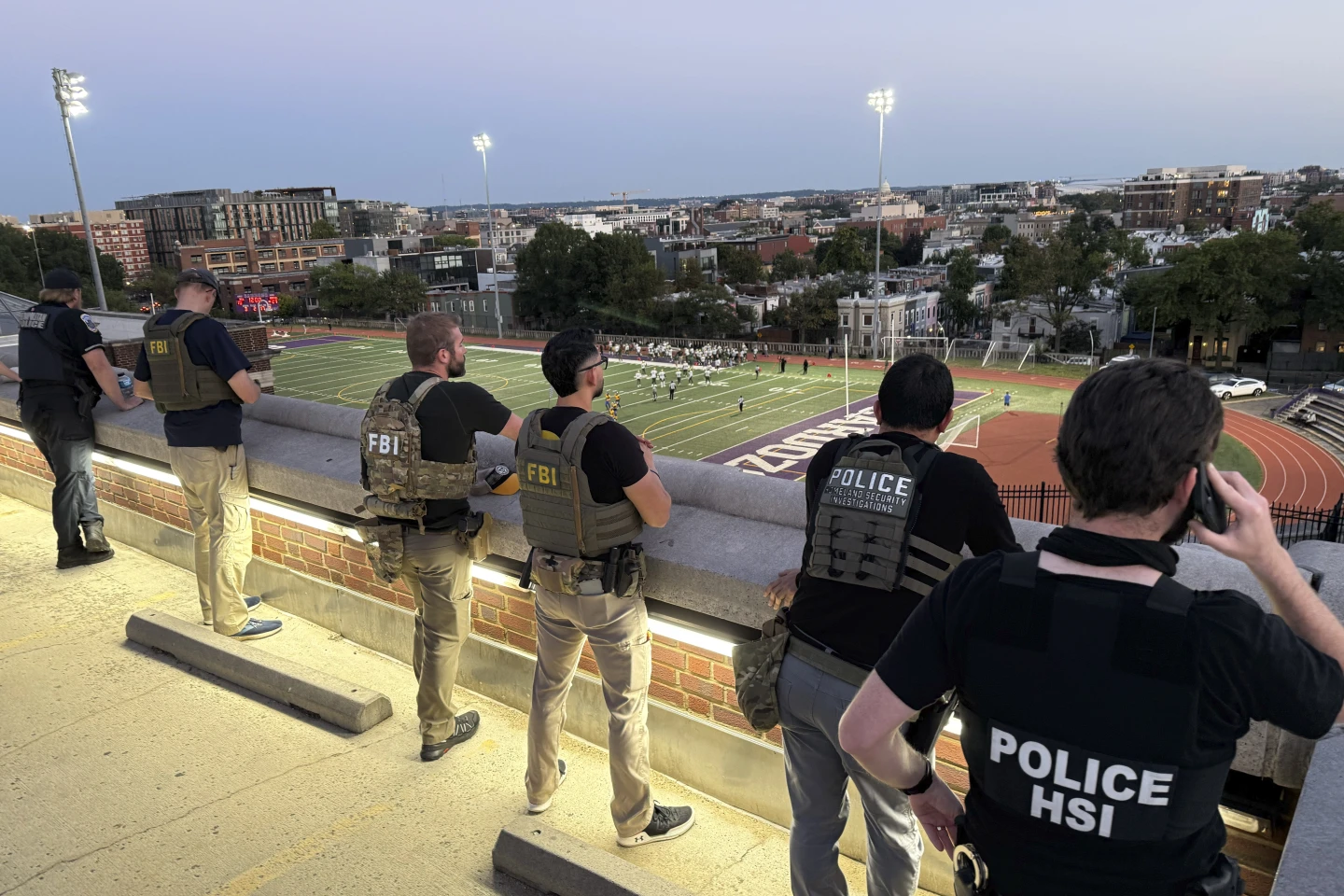
WASHINGTON (AP) — President Donald Trump has threatened to take action to federalize the Washington D.C. police department following Mayor Muriel Bowser's announcement that the city will not cooperate with Immigration and Customs Enforcement (ICE).
His emergency powers, which had imposed federal oversight on the local police force, expired recently. Mayor Bowser stated that while federal cooperation with various agencies would continue, ICE was not part of that partnership. Trump's recent social media remarks claimed that his federal oversight significantly improved crime rates, a claim supported by some data, although crime reduction had begun prior to his implementation.
Trump expressed concerns about rising crime should cooperation with immigration enforcement cease. He ominously mentioned he would call a National Emergency to justify federal intervention if necessary.
The mayor's office withheld comments on the president's threat. While the White House has not clarified whether they will act on Trump's statements or if there is any intent to renew the previous federal order, it noted that Congress had allowed the order to lapse earlier this month.
In her comments on September 10, Mayor Bowser stated that immigration enforcement is not a role for the Metropolitan Police Department (MPD) and emphasized this position will remain after the federal order ceases.
Records indicate that over 40% of arrests during the federal rollout were linked to immigration, reflecting the Trump administration's stringent approach to crime amidst ongoing debates about D.C.'s autonomy and governance. Concurrently, Congress is reviewing various legislative proposals concerning the handling of criminal cases in the district, amidst longstanding tensions between local authorities and federal control.

