
In brief
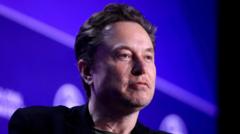
Elon Musk's meeting with Iran's UN ambassador, Amir Saeid Iravani, marks a notable event in the complex relationship between the US and Iran. Confirmed by CBS News, the discussion aimed at easing tensions occurred in New York, just before Musk was appointed joint head of Trump's cost-cutting department. This private encounter raises questions about the awareness of Trump and his national security advisors, particularly given the hawkish stance of several appointees towards Iran. The Iranian officials characterized the meeting as “positive” and “good news,” suggesting potential openings for dialogue despite the lack of formal diplomatic relations.
In the context of Trump's history with Iran—most notably, his withdrawal from the Iran nuclear deal and subsequent sanctions—the significance of this meeting cannot be understated. Trump has consistently demonstrated support for Israel and strong opposition to Iran, particularly following the conflict involving Hamas and Hezbollah. Furthermore, Musk’s dual role, assisting Trump on domestic matters while interfacing diplomatically with Iran, positions him uniquely in current global affairs. While the White House and the Iranian mission to the UN have refrained from commenting on the meeting, the implications of Musk’s involvement in such discussions may be profound as the incoming administration seeks to navigate its foreign policy challenges. Musk's recent connections, including participation in a call with Ukrainian President Volodymyr Zelensky and support for Ukraine's military logistics through his Starlink network, illustrate the expanding influence of tech leaders in political dialogues today. This evolving narrative invites examination of the intersections between technology, diplomacy, and national security as the world observes how private-sector figures engage in traditionally governmental roles.

