
In brief
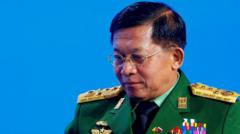
Min Aung Hlaing's recent visit to China reflects a pivotal moment in Myanmar's ongoing conflict, as he seeks support from Beijing. China's engagement indicates a nuanced diplomatic stance, balancing its interests while facing criticism from Myanmar's opposition.
In light of Myanmar's continuing civil strife, military leader Min Aung Hlaing has embarked on a significant visit to China, marking his first trip since the February 2021 coup that ousted the democratically elected government led by Aung San Suu Kyi. This invitation, though not a formal state visit, underscores the importance of China's role as Myanmar's principal ally and trading partner amid mounting challenges to his regime's stability.Arriving on Tuesday in Kunming, Yunnan province, Min Aung Hlaing is attending a minor summit of the Greater Mekong Subregion, alongside other leaders from authoritarian nations like Laos, Cambodia, and Vietnam. This meeting symbolizes a notable shift in the military leader's isolated status, as he has been largely excluded from regional discussions since seizing power. Despite the perceived lack of support, China's invitation suggests that Beijing views Hlaing as a critical figure in resolving the unrest engulfing Myanmar.Min Aung Hlaing is expected to engage with Chinese Premier Li Qiang during his visit, although the gathering has been characterized by its relatively low profile. China's diplomatic protocols highlight the importance of this meeting, especially given recent perceptions that Beijing might distance itself from the embattled leader as his regime faces internal strife.China's involvement has intensified following a surge in conflicts led by ethnic insurgents, which have effectively challenged the Myanmar military's authority—especially in areas bordering China. These groups have publicly denounced Min Aung Hlaing's regime, refusing any negotiations. The National Unity Government (NUG), formed by members of the ousted government, has decried China's invitation to Hlaing, fearing it legitimizes a rule they deem destructive to Myanmar's stability.NUG spokesperson Kyaw Zaw expressed concerns that this overture might lead to a misperception of China's position among the Myanmar populace, amplifying the distance between the military junta and the citizens who seek a return to democratic governance.Despite the junta's shortcomings, China remains wary of a potential collapse of Hlaing's regime, which could trigger chaos as various armed factions vie for dominance. Consequently, Beijing has sought to mediate between the junta and insurgent forces, aiming to restore stability and enhance cross-border trade, essential for its ambitious investment projects within Myanmar.While Western nations have diminished influence in the region, with regional organizations like ASEAN struggling to effect significant change, China appears to fill the diplomatic void, positioning itself as the dominant player capable of influencing outcomes in Myanmar’s prolonged civil war.
