
In brief
Uganda is set to continue under the leadership of Yoweri Museveni after he won the recent election, marking 40 years in power. The election was troubled by violence and allegations of fraud, with his main opponent, Bobi Wine, calling for peaceful protests against what he termed 'fake results.' The political situation has been exacerbated by an internet blackout aimed at curbing misinformation, which has drawn condemnation from human rights organizations.
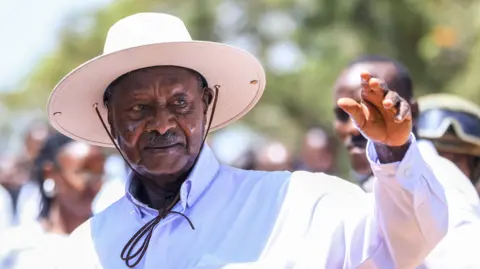
President Yoweri Museveni has been declared the winner of Thursday's election, extending his 40-year rule by another five years. According to the election commission, he received a significant majority over his closest challenger, Bobi Wine, who has decried the results as 'fake'.
In response to the announced results, Wine called on Ugandans to engage in non-violent protests against the alleged electoral fraud. The election was marred by incidents of violence, with Wine claiming that at least 21 individuals have lost their lives; however, authorities have confirmed seven deaths so far.
Museveni, now 81, has been in power since 1986 and previously criticized leaders who overstay their welcome. Now, he prepares for his seventh consecutive term. The election process included an internet blackout imposed by the authorities, justifying the measure as necessary to prevent misinformation and violence. Critics, including the UN human rights office, have condemned the blackout as 'deeply worrying.'
Wine has demanded the restoration of internet access, labeling the situation as untenable for democratic engagement.


