Yemen Houthi Maritime Embargo Against Saudi Arabia: Impacts on Regional Shipping
The Iran‑backed Houthi movement has announced a maritime embargo against Saudi Arabia, stating that it would take effect immediately. The announcement follows a Saudi blockade of Yemiannan ports and airports that the Houthis say has been in place for years.
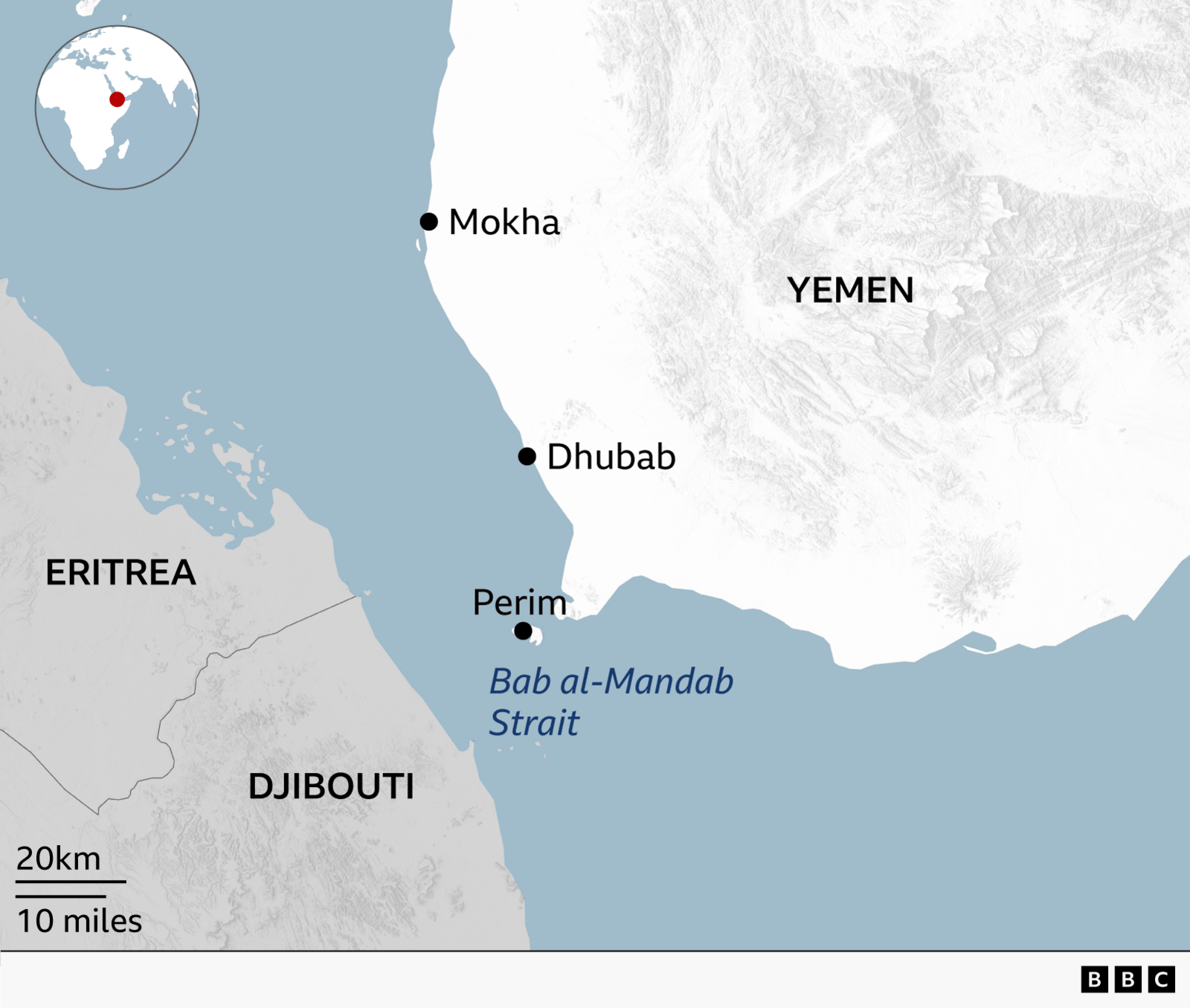
According to the Houthi military spokesman, the embargo was launched in retaliation for the Saudi blockade. A Houthi media official added that the group would close the Bab al‑Mandab Strait—an essential channel of the Red Sea—to Saudi vessels.
When the statement was released, Saudi Arabia’s foreign ministry condemned the claim, asserting that it would "take all necessary measures to protect its ships in accordance with international law". The declaration raises several questions about the future of shipping traffic through one of the world’s most important maritime corridors.
The conflict between the Houthis and Saudi Arabia has largely remained dormant since the informal truce in 2022. However, the most recent escalation involved Houthi missile launches at Saudi airports after airstrikes on Sanaa’s airport, which the Houthis attribute to Saudi forces.
Yemen’s civil war, which began in 2014 and escalated after a Saudi‑led coalition intervened in 2015, has left more than 150,000 people dead and damages infrastructure. According to the United Nations, more than 22 million Yemenis now require humanitarian assistance.
The Houthi spokesperson, Yahya Sarea, accused Saudi Arabia of a "12‑year siege" that imposes a comprehensive blockade on Yemen’s ports and airports. Sarea said the embargo is a "maritime retaliation against the criminal Saudi enemy" based on an "eye for an eye" equation.
The Houthis aim to close Bab al‑Mandab to Saudi vessels, but no further details have been provided. The embargo’s implementation bears heavily on the Red Sea trade lanes that carry a significant portion of the world’s oil.
Analysts note that the embargo could disrupt shipping routes and inject uncertainty into the movement of cargo through Saudi ports. Whether the Houthis will shift from threats to actual attacks on Saudi vessels remains a key monitoring point.

The Bab al‑Mandab Strait is a 32 km (20 miles) waterway connecting the Gulf of Aden to the Red Sea. It is part of a larger maritime network that includes the Suez Canal and the Strait of Hormuz. The hitherto peaceful corridor has seen heightened tensions since the Gaza war erupted in October 2023.
Historically, the Houthis began attacking merchant vessels in the Red Sea and the Gulf of Aden with missiles and drones in support of Palestinian cause. Four ships were lost, nine crew members killed, and commercial traffic through Bab al‑Mandab fell to record lows as shipping companies rerouted around southern Africa.
After the Gaza ceasefire, Houthi attacks paused but transits through the strait have yet to return to previous levels. Saudi Arabia has responded by diverting 70% of its crude exports to the Red Sea port of Yanbu, a significant shift in its energy logistics.
Transport data from Kpler and Signal Ocean indicate that 4 million barrels per day are recently shipped from Yanbu, compared to only 973,000 barrels per day a year earlier. Overall petroleum volumes crossing Bab al‑Mandab rose to 7.4 million barrels per day in June, representing about 7% of global oil output.
Risk investors highlight uncertainty in whether the Houthis will actually target ships heading towards Saudi Arabia. Even if no direct attacks occur, the announcement itself could disturb shipping markets and destabilise Saudi port operations.
In sum, the Houthi maritime embargo signals a potentially serious uptick in conflict‑driven maritime risk that could reverberate across energy supply chains and global logistics. Both sides and international observers watch closely as the Middle East’s strategic chokepoints remain in the spotlight.