Vietnam’s police raided two storage facilities in the outskirts of Ho Chi Minh City earlier this year and seized more than 23,000 pairs of counterfeit slippers stamped with the logos of Nike, Adidas, Crocs and Gucci. The items, all of which were manufactured without the licenses of the respective brands, were worth an estimated VND 2 billion (about $76,000) and are part of a market that sells knock‑offs for as little as $30, despite the originals costing up to $900 abroad.
The crackdown comes in the wake of international scrutiny. In April, the United States Office of the Trade Representative named Vietnam a "priority foreign country" for IP violations, a first in 13 years, and called the nation the "world’s worst offender on IP rights." Consequently, Vietnamese authorities announced a national campaign on 7 May to target counterfeit goods, piracy and trademark infringements.
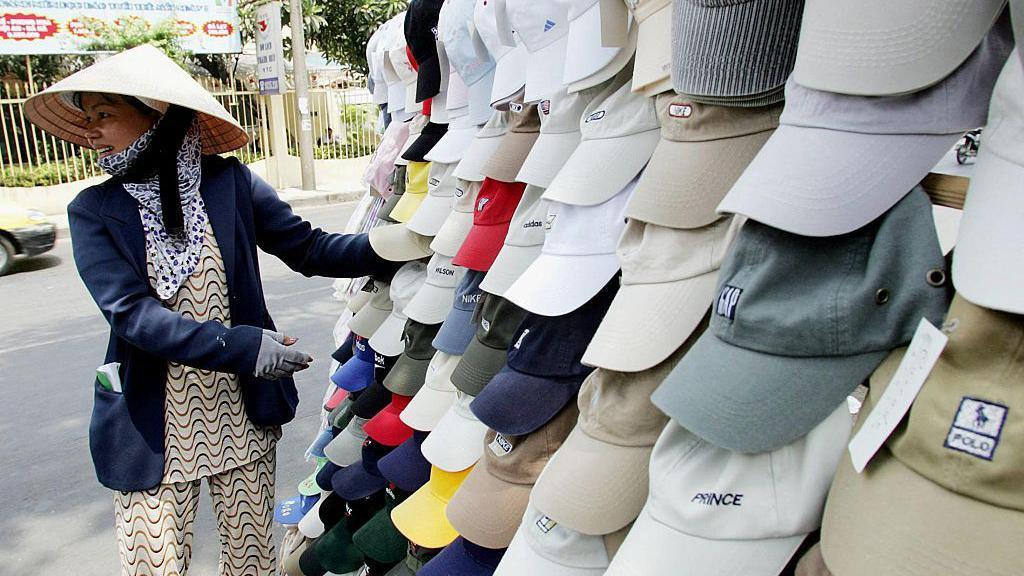
The enforcement has become more aggressive, with police targeting shops and warehouses in Saigon Square and neighbouring Ben Thanh Market, the country’s largest hubs for fake designer goods. In mid‑May, a police sweep confiscated counterfeit products and fined vendors more than $19,000. Despite these measures, the market has proven resilient: many stalls continue to offer knock‑offs, and some vendors claim they may adapt by slightly altering designs to avoid legal penalties.
The U.S. has continued pressure, launching investigations into whether Vietnam’s IP crackdown is effective. In June, police in Thanh Hoa province dismantled a ring selling more than 10,000 pieces of counterfeit jewellery, incurring an estimated $1.14 million in illicit profits.
Voices in the market are divided. A local tail‑or, Thi Nguyen, argues that the crackdown offers an opportunity to invest in genuine products, while a street vendor, Thanh Truc, notes that many consumers, especially tourists, rely on cheap fakes, effectively sustaining the demand side of the industry. Conversely, a consumer survey by a French business school suggests that in rural areas where incomes are low, counterfeit goods remain the only affordable option for luxury items.
While the Vietnamese government claims success, experts note that counterfeit practices adapt and that enforcement alone may not eradicate the market. "You cannot eliminate it," says one academic. "The demand will always be there and the sellers will find ways around regulation."