From the historical milestones of American founding documents, such as the Declaration of Independence and the Constitution, unity has been revered as an essential principle of the United States. Yet the application of this ideal has been fraught with tension and complexity. Throughout its history, America has grappled with questions of inclusion and exclusion, as various groups fought for recognition and rights.
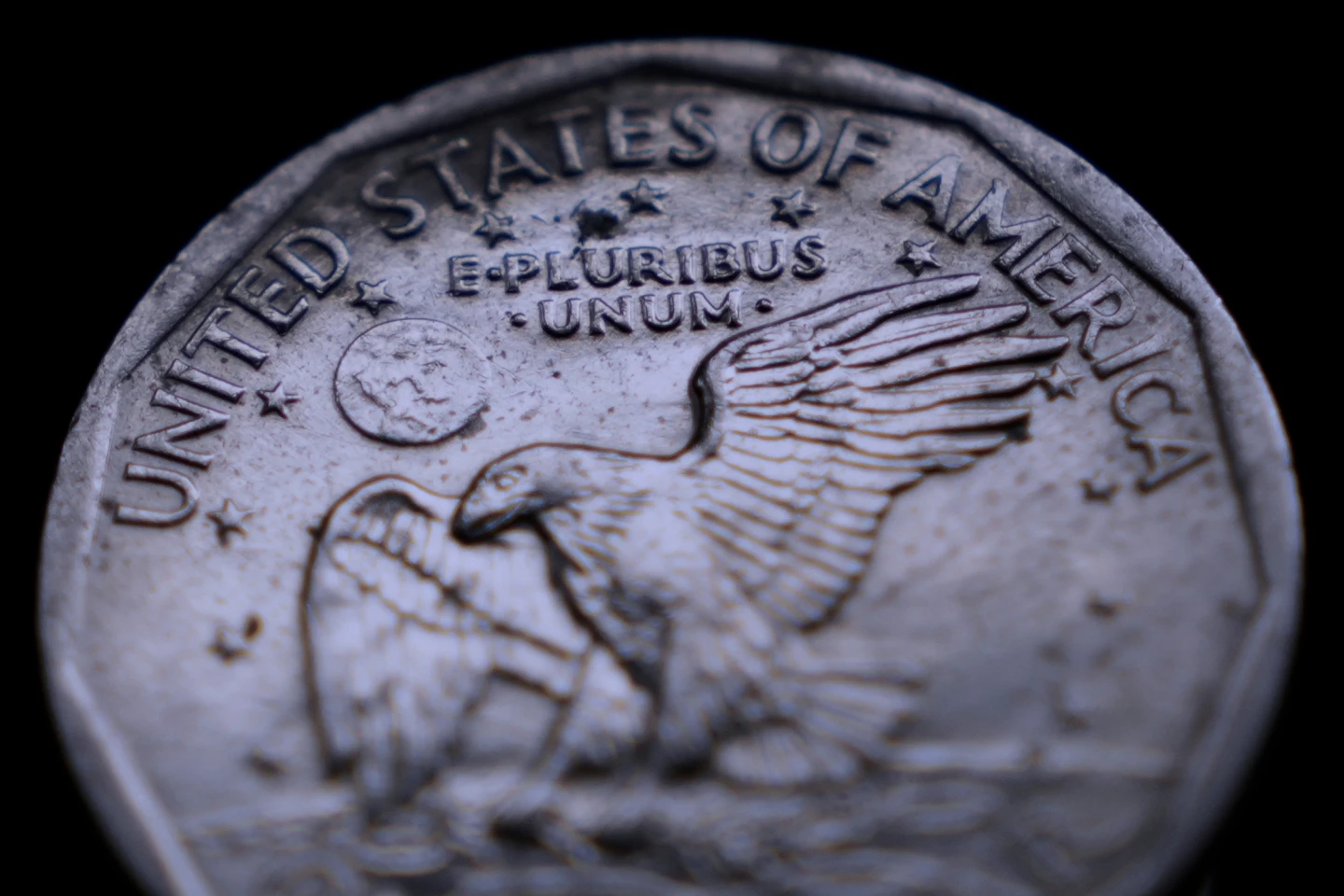
The seminal phrase, out of many, one, exemplifies a paradox: does it signify a blending of diverse identities into a cohesive nation, or does it imply a demand for conformity? As the nation approaches its 250th anniversary, these questions remain pertinent.
At its inception, the framework of unity was narrow, often excluding marginalized groups from the rights and freedoms it promised. Despite this, the struggle for equality persisted, leading to social movements, legal reformations, and ongoing dialogues at the heart of American democracy.
Historical Foundations of Unity
The founders acknowledged that unity was vital for a fledgling nation. George Washington emphasized the importance of national cohesion, warning against divisions that could weaken the union. However, the reality of American life has always been more diverse, where wealth, culture, and geography shaped distinct experiences.
As society evolved, so too did the definitions and implications of unity. Disparities in access to political power and economic opportunity have created a complex landscape where the promise of a unified America remains elusive for many.
Aspiration vs. Reality
From the beginning, America has been characterized by dynamic tensions among its populace. Historical injustices, including slavery and systemic racism, highlight the contradictions within its unity narrative. Each struggle for civil rights has drawn upon the nation's foundational ideals, challenging exclusionary practices and invoking a more inclusive definition of citizenship.
Moreover, the experience of Indigenous peoples and other marginalized communities serves as a testament to the ongoing challenge of realizing true unity. The history of forced assimilation and cultural erasure raises critical questions on how a nation founded on diversity can reconcile such disparities.
What Does Unity Mean Today?
In today's climate, where polarization appears rampant, the quest for understanding unity could not be more relevant. The question remains: what does it mean to be united in a diverse democracy? It's a call for reflection on whether unity necessitates uniformity or embraces the coexistence of differences.
As various groups continue to navigate the challenges of inclusion, the dialogue surrounding what it means to be united must evolve. America stands at a crossroads, where the past informs current realities, and the future of its promise lies in the collective negotiation of identity and belonging.
Ultimately, the journey towards unity requires commitment and effort to ensure that the aspirations laid out by the founders can be realized by all Americans, regardless of their backgrounds.