Ukraine announced that it struck two key oil refineries deep inside Russia, targeting Bashneft‑Novoil near Ufa in Bashkortostan and Slavneft‑Yanos in Yaroslavl region.
The president of Ukraine, Volodymyr Zelenskiy, highlighted that the attacks sought to curb the flow of oil revenue used by Moscow to finance its war.
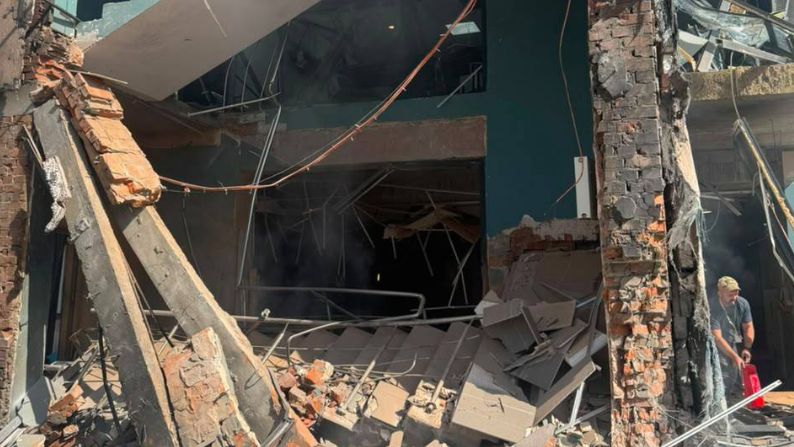
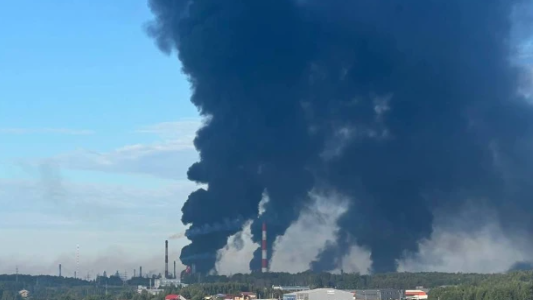
Yaroslavl governor Mikhail Evraev said the Slavneft‑Yanos facility erupted in flames after a large drone assault, with four individuals injured; images from the site show multi‑fire plumes and extensive damage.
Simultaneously, Ukrainian forces claimed that at least 11 people were killed in Russian attacks on various Ukrainian facilities, and the city of Kherson suffered a complete power outage following a hit on a critical infrastructure site.
Russia responded by stating it had targeted Ukrainian fuel, energy and transport facilities, as well as drone storage areas. Russian military forces reported having shot down 605 Ukrainian drones over several regions during an updated operational briefing.
These developments illustrate the escalating use of non‑frontline targets, indicating a strategic shift toward crippling economic assets deemed vital to the conflict. The high‑profile nature of the strikes has prompted international observers to assess potential impacts on broader diplomatic efforts and the humanitarian situation on both sides of the war. The ongoing targeting of energy infrastructure underscores the fragile balance between military objectives and the risks posed to civilian populations and global markets.