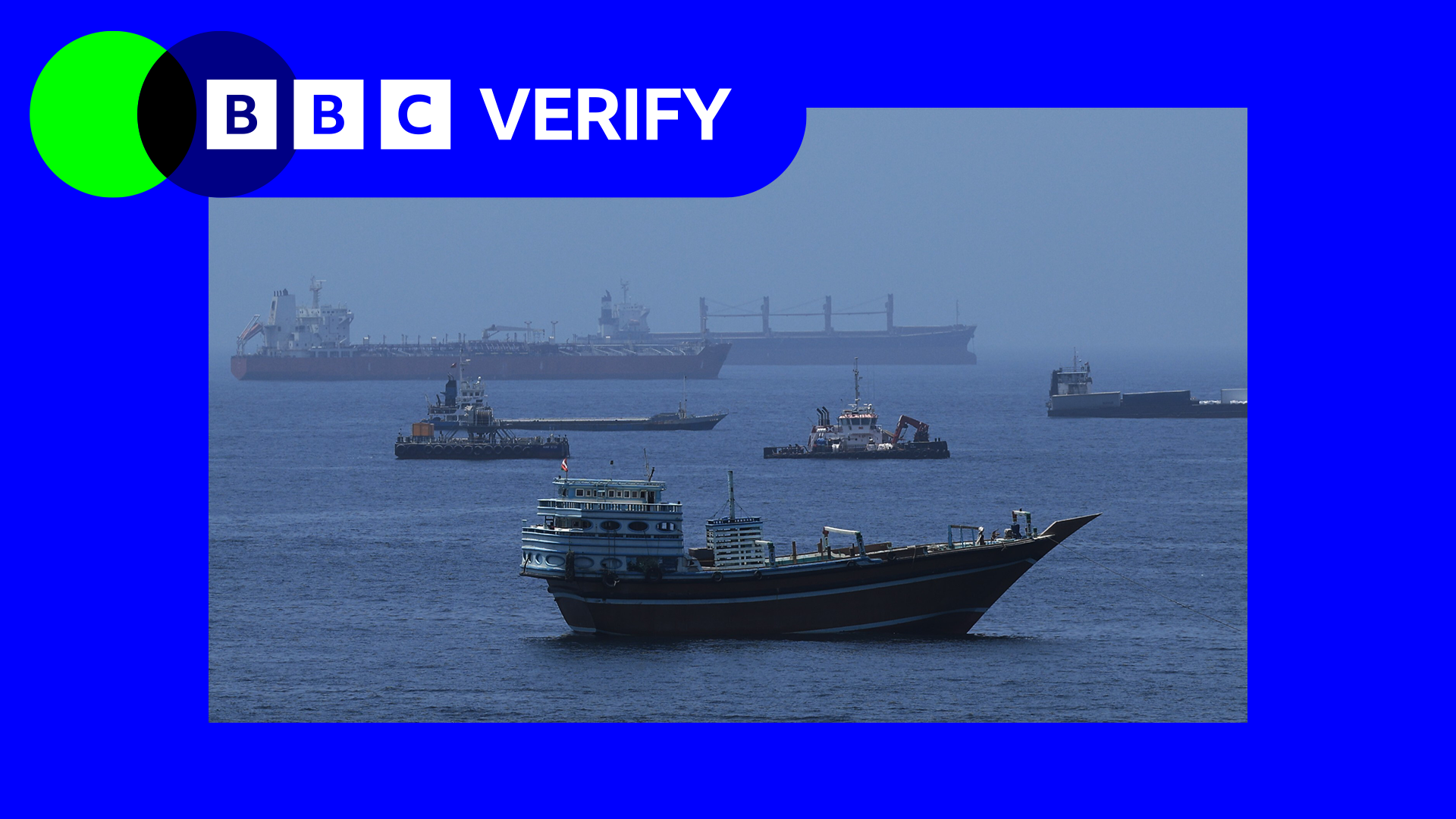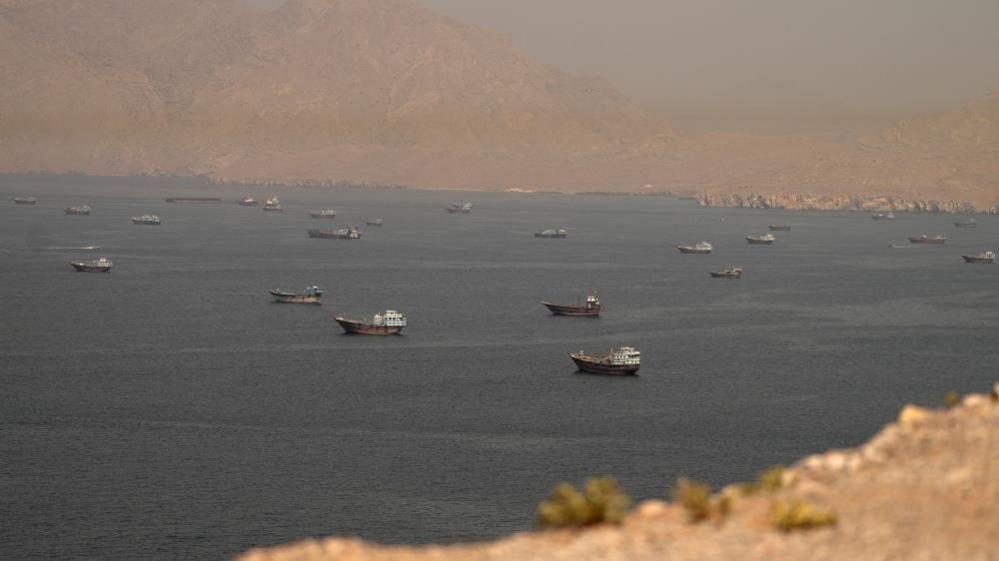
The ongoing tension between the United States and Iran has transformed into a war of blockades over the strategically vital Strait of Hormuz. With both nations intercepting commercial vessels, the threat of escalation looms large over one of the world’s busiest waterways. Despite this precarious situation, a ceasefire originally set to expire soon has been extended, at least temporarily.
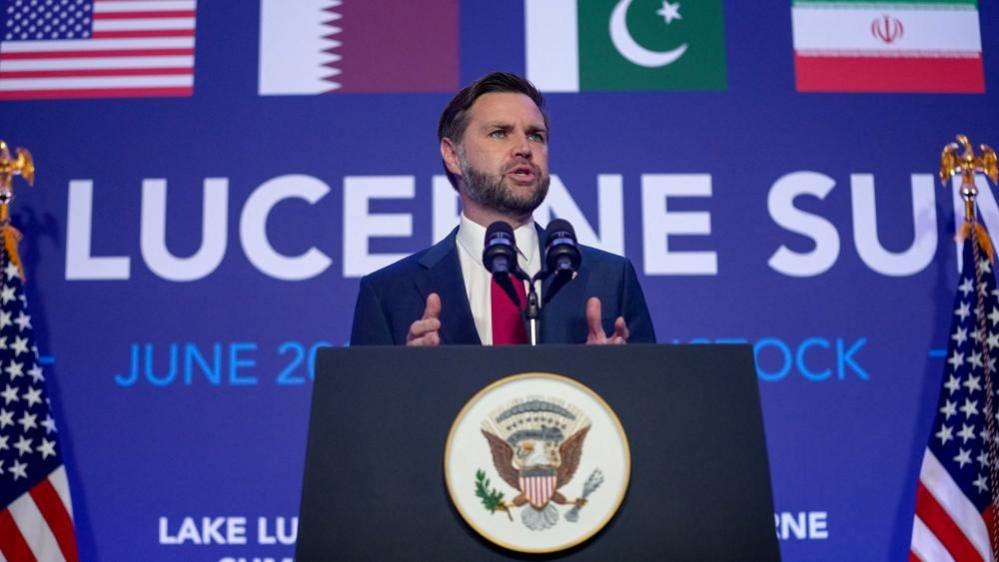
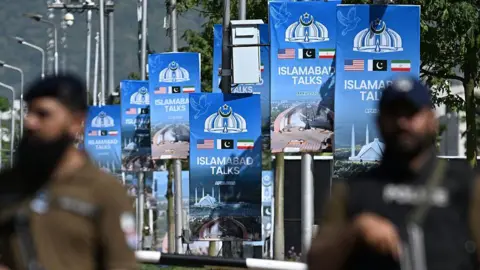
Pakistan has emerged as a potential mediator, actively seeking to facilitate discussions between the two sides. As days pass without progress, high-level negotiations set to take place in Islamabad have been mired in doubts, with diplomatic avenues appearing increasingly blocked.
The anticipation for Iranian and American representatives to arrive has waned, replaced by a somber realization that Pakistan's opportunity to broker peace may be slipping away. Prime Minister Shehbaz Sharif remains committed to pursuing diplomatic efforts, insisting that Pakistan will continue to seek a negotiated solution.
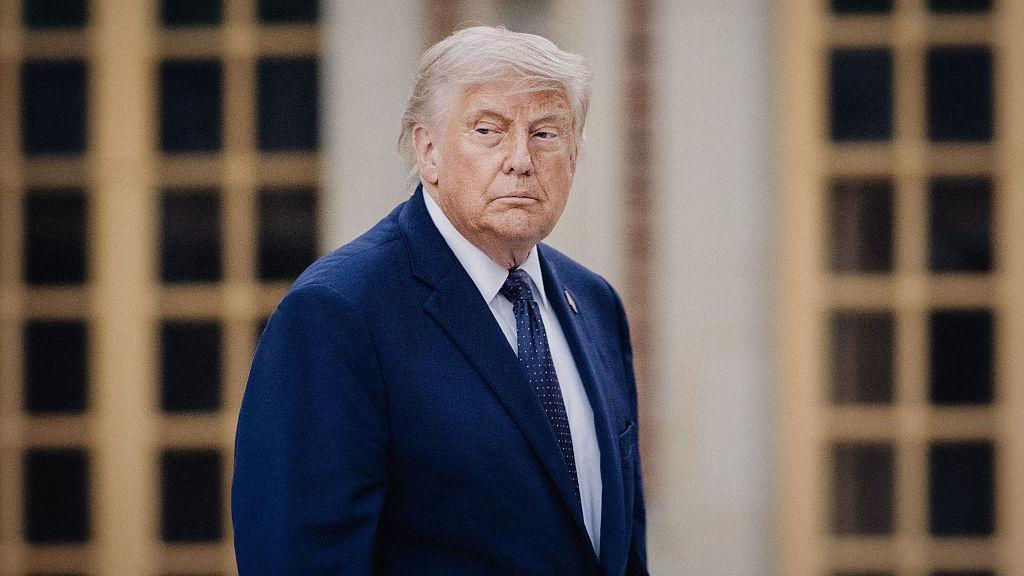
On the other hand, President Trump has expressed a belief that a deal is conceivable within days, though skepticism surrounds such claims given the fluctuating nature of rhetoric from US officials.
Iran's leadership appears reluctant to engage in talks, citing perceived breaches in commitments by the US and conflicting messages from the Trump administration as significant barriers to trust. Continuing accusations of US aggression amid proposals for peace have complicated dialogues further.
As the international community watches closely, the inability to navigate this complex landscape could have serious implications, not just for US-Iran relations, but for regional stability as a whole. With parts of Islamabad still on high alert for possible talks, the diplomatic horizon remains uncertain.