
In brief
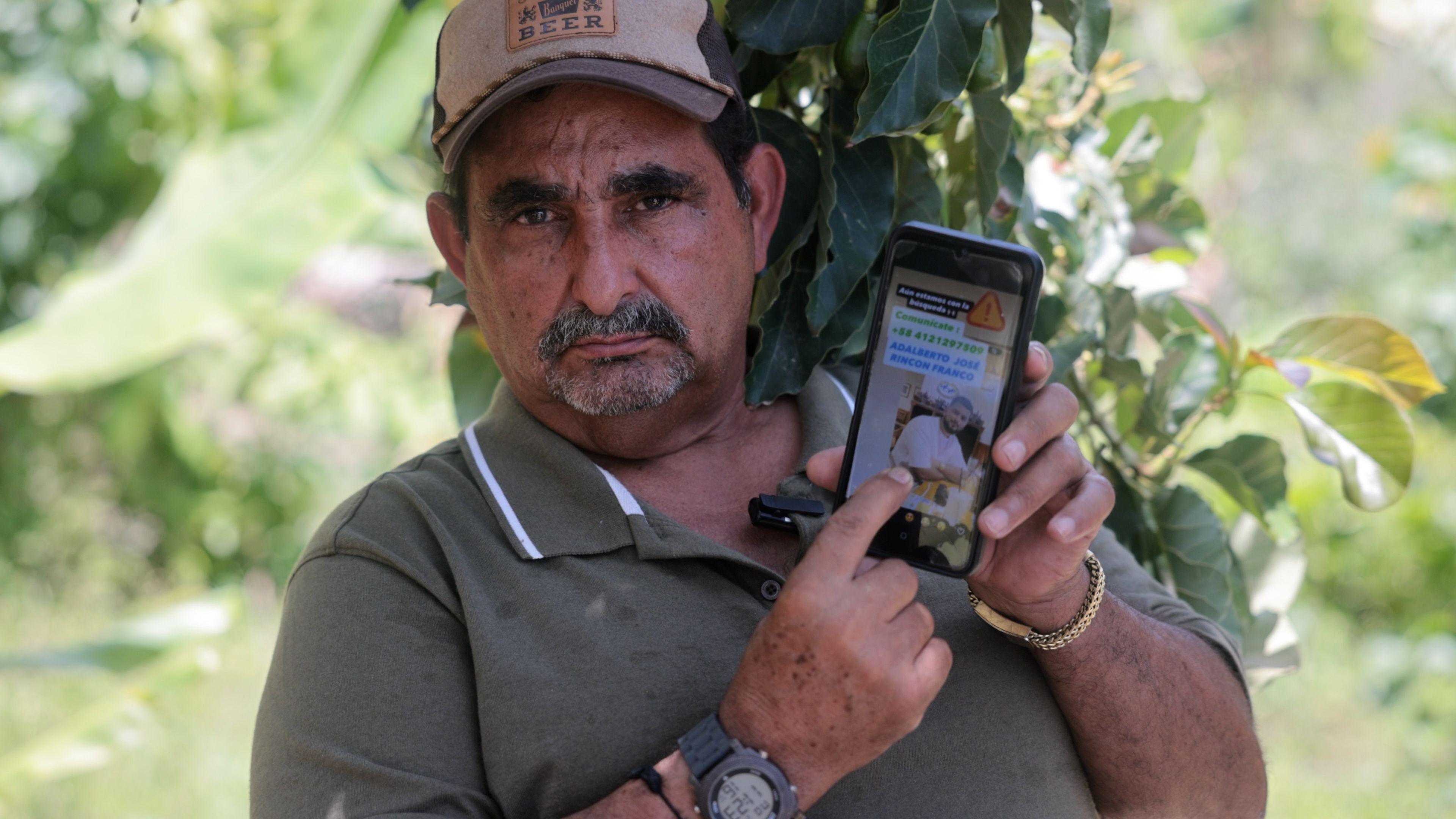
Abelardo Rincón, a 23‑year‑old Venezuelan who had built a life in Georgia, was deported by U.S. authorities in June 2026. He arrived in Caracas on the same flight as over 140 other Venezuelan refugees, and hours after arriving the city was hit by twin earthquakes that left thousands dead and many missing. Rincón’s family, who had hoped for a speech on his well‑being in the U.S., now faces the anguish of a potential loss in a disaster zone. The incident underscores challenges for migrants caught between enforcement policies and sudden natural calamities.
A 23‑year‑old Venezuelan migrant, Abelardo Rincón, had been living in Georgia, working at a car dealership and planning a future with his pregnant wife. In June 2026, U.S. immigration officials detained him and placed him on a deportation flight that carried over 140 other Venezuelan citizens.
Rincón landed on 24 June and, while still in custody, called his family in Atlanta to inform them of his return. Within hours of arrival, twin earthquakes struck the coastal state of La Guaira, tragically claiming at least 2,200 lives, wounding more than 10,000, and rendering about 50,000 people missing.
The Venezuelan government housed the deportees in Hotel Santuario La Llanada in La Guaira, where the building collapsed due to the tremors. Rincón and several other passengers were confirmed missing; current reports indicate that they may have perished in the rubble or were lost amid the chaos.
Families of the deportees have been left in agonizing uncertainty, as officials in both countries struggle to coordinate relief efforts and provide casualties' identities. The United States' Department of Homeland Security stated that the U.S. no longer had responsibility for deportees once they were out of ICE custody, but offered no detailed information about the circumstances of the arrests.
The dual tragedy—a migratory legal action followed by an unexpected natural disaster—has drawn international attention to the vulnerabilities of displaced migrants and the urgent need for coordinated humanitarian responses in crisis settings.
