
In brief
A surge of 44 000 new .si domain names in September 2026—a 2 100 % increase from August—has been linked to Donald Trump’s push to replace ‘artificial intelligence’ with ‘super intelligence’. The spike follows a UN General Assembly speech and an executive order that mandates the term’s use across federal agencies. Domain traders believe the spike may partly be speculation, buying names that gain value as the term gains popularity. Slovenia’s national registry cautions against attributing all activity to the speech alone, but the event exemplifies how political language can influence digital infrastructure worldwide.
On 1 October 2026, the Republic of Slovenia’s national registry reported an unprecedented spike in registrations of .si domain names, coinciding with the United States’ former president’s public call to rename “artificial intelligence” as “super intelligence”.
According to Register.si spokesperson Klara Herman, 44 000 new .si addresses were registered in September – a 2 100 % jump from the fewer than 2 000 registered in August, and the highest level of activity seen in a full year.
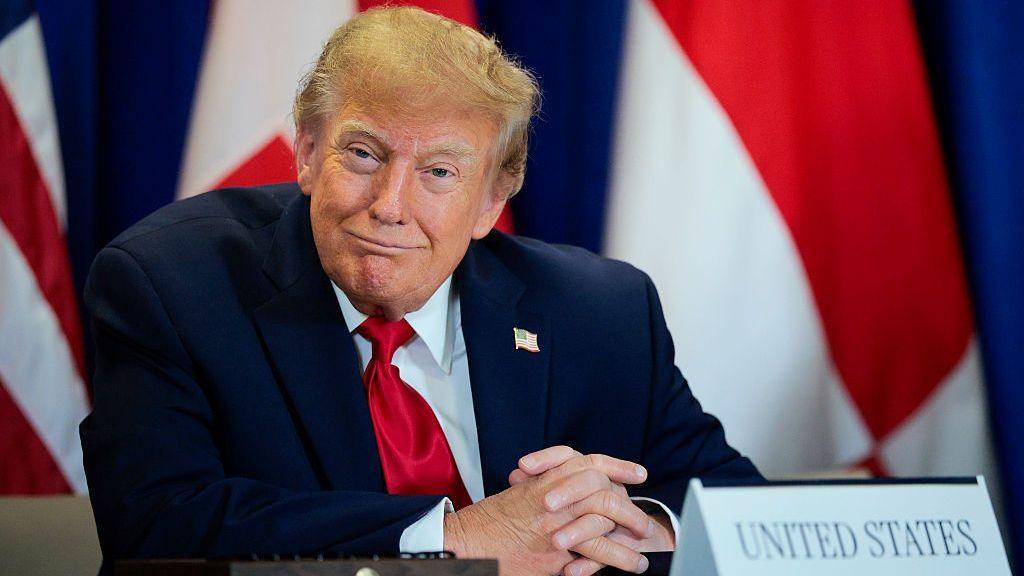
Trump’s statement, made during a speech to the United Nations General Assembly on 11 September, framed the term artificial as misleading, urging a shift to the initials SI. The naming change also entered the executive order issued the same week, which mandates federal agencies to switch to “SI” and “Super Intelligence” in official documents.
Domain traders suspect the swell is partly speculation. Buying a name with the initials SI could increase its market value as the term gains popularity, a strategy that has paid off for players such as Rick Schwartz, who sold men.com for 1.32 million USD after a 15 000 USD purchase.
While the volume surge is dramatic, those at Register.si caution against attributing the entire phenomenon to one speech, noting other commercial or hobbyist factors could also contribute.
This intersection of political rhetoric and cyberspace economy illustrates how high‑profile language shifts can produce measurable effects on digital infrastructure, even in micro‑state domains that were previously overlooked.


