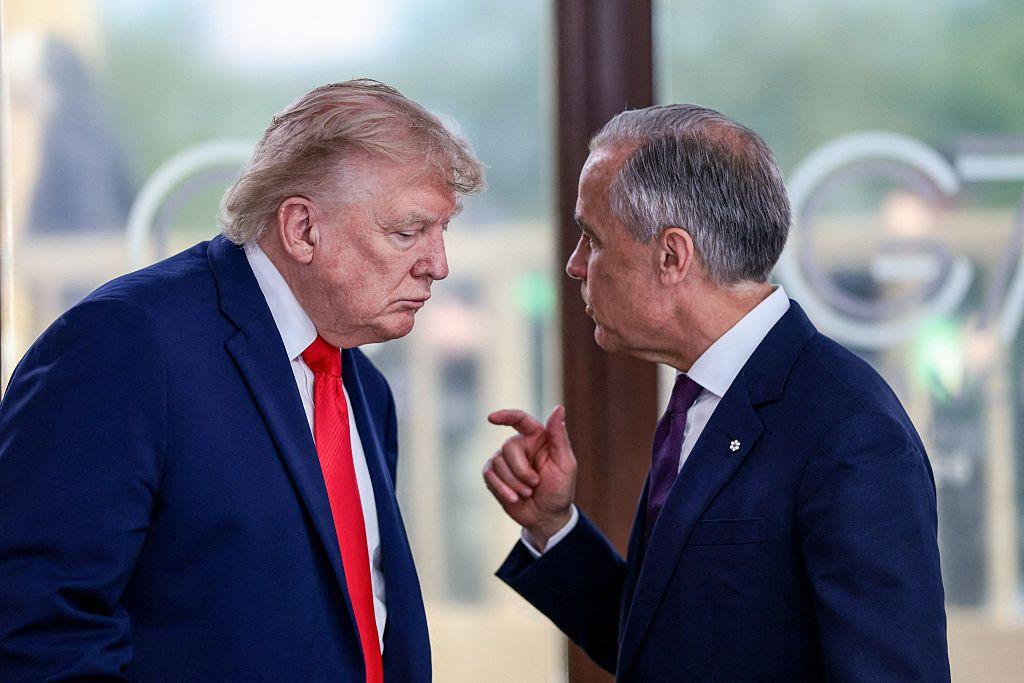
US President Donald Trump imposes 50% tariff on Canadian imports
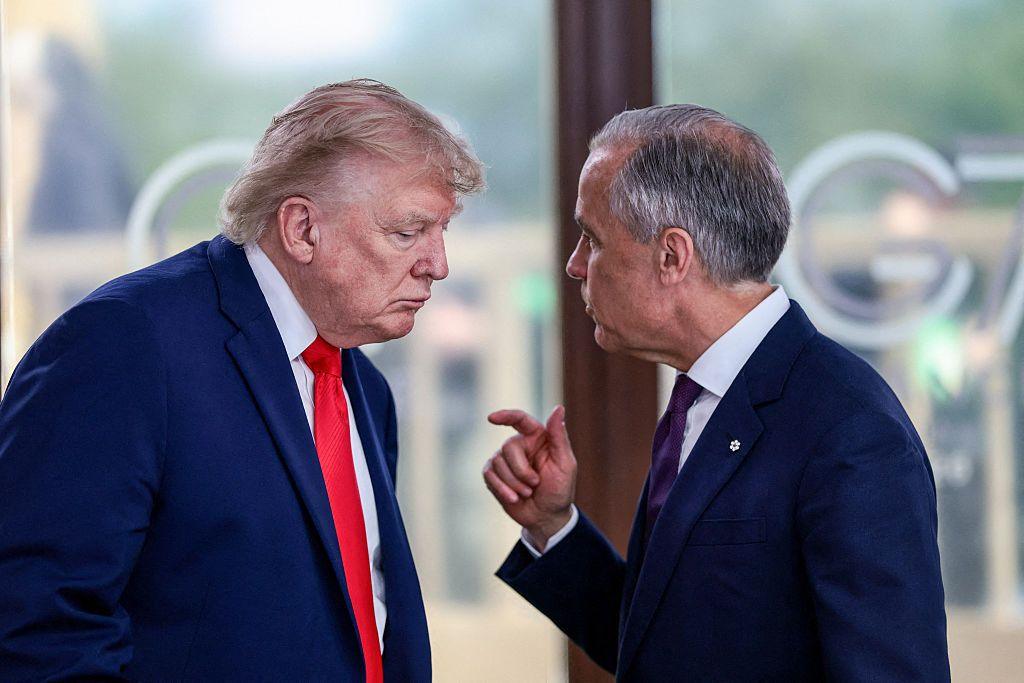
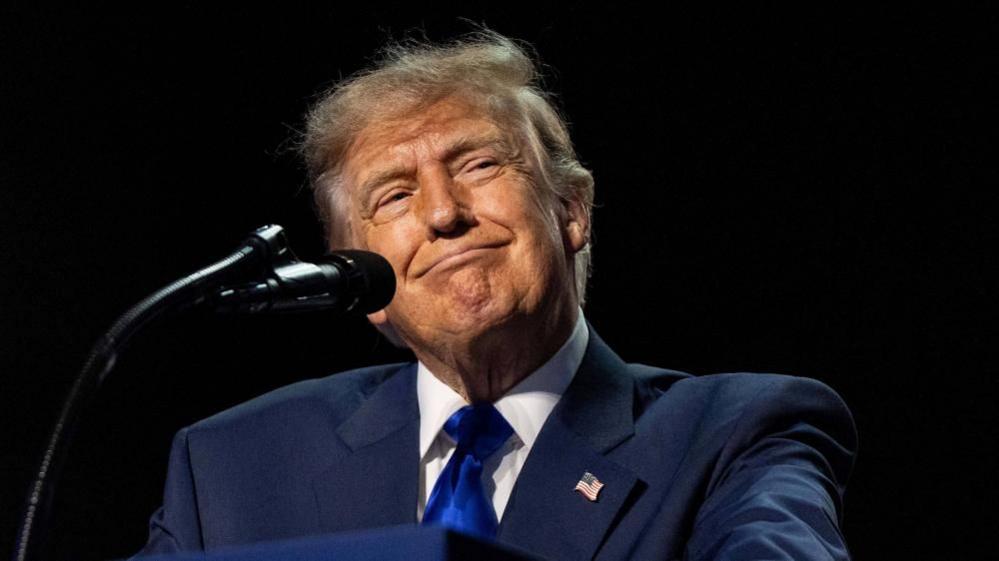
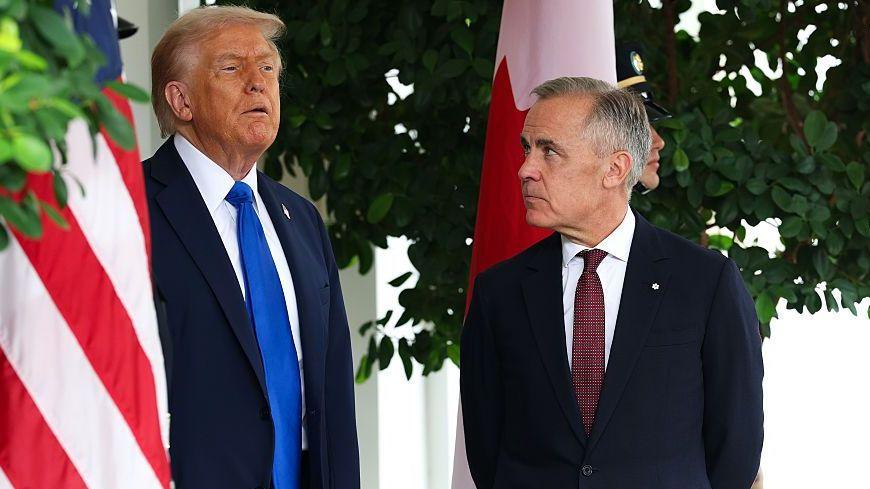
Trump has signed an order imposing a 50% tariff on a wide range of goods imported from Canada, citing “unequal treatment” of US cars, dairy and alcohol.
The duties take effect on 19 August and mark a major escalation in trade tensions between the North American neighbors.
The White House said the tariffs are necessary to protect American businesses.
Targeted goods include everyday consumer items such as wine and hockey sticks, along with industrial products like commercial cement. Key exporters, such as energy, potash, critical minerals and fish, will be spared.
The new duties build on existing trade barriers: the US has tariffs ranging from 15% to 50% on Canadian steel, aluminium and copper, a 35% tariff on softwood lumber, and a 25% tax on non‑US parts in cars.
Canada, in turn, has a 25% counter‑tariff on selected American steel, aluminium and vehicles.
The announcement follows President Trump’s threat to impose tariffs over Canadian wildfire smoke drifting into US cities, though the orders did not reference the wildfires. Rather, they list issues previously known to Canada: cars, dairy and alcohol.
Trump criticises Canada for charging a tax on U.S. motor vehicles and parts that are not covered under the USMCA, arguing it is “unreasonable” and discriminatory. The automotive sector is highly integrated across Canada, the U.S. and Mexico.
The dairy dispute centers on Canada’s supply‑management system, which limits foreign imports and imposes tariffs up to 300% when limits are exceeded. The liquor boycott by Canadian provinces has also become a sore point, with premiers stating they will lift the boycott if the U.S. removes tariffs on key Canadian sectors.
Canadian trade negotiators have been seeking a deal to reduce U.S. tariffs, but the new levies signal that talks may be moving in the wrong direction for Canada.