
In brief
In a court case that has captured national attention, Lindsay Clancy has pleaded not guilty to the murder of her three children, citing postpartum psychosis as a factor. The courtroom testimony reveals that she had been experiencing hallucinations and delusions after the birth of her third child, a mental state that experts argue can drive severe harm to the family. The case has prompted discussions about the medical classification of postpartum psychosis, its treatment with lithium and other interventions, and the need for formal recognition in the DSM‑5 to improve diagnosis, research and insurance coverage. Amid the trial, clinicians and researchers urge that maternal mental health receive the same attention as other medical conditions to prevent tragedies like this.
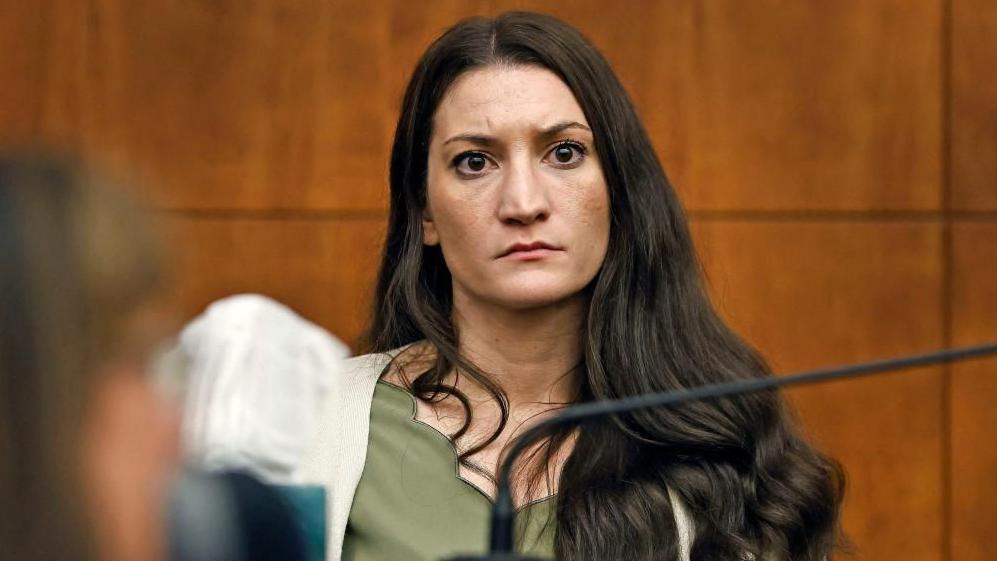
The trial of Lindsay Clancy has put postpartum psychosis under a national microscope. She faces three murder charges after killing her children Cora, Dawson, and Callan, but declares that she was in a state of serious mental illness during the acts and has pleaded not guilty. Prosecutors say the killings were a calculated act, while her defence asserts that hallucinations and delusions connected to postpartum psychosis impaired her ability to understand the wrongfulness of her actions.
In testimony, her mother Paula Musgrove explained that Clancy had previously told people she was thinking about harming her children, yet at other times she and her husband described her as “fine.” This erratic pattern, experts say, is characteristic of postpartum psychosis, a rare but severe mental‑health emergency that can emerge minutes after a birth.
Postpartum psychosis is defined by mood swings, insomnia, delirium and, most vividly, hallucinations and delusions. A spokesperson for the American Psychiatric Association notes that the condition has yet to receive formal inclusion in the Diagnostic and Statistical Manual of Mental Disorders (DSM‑5). Without a recognised category, research funding and insurance coverage remain limited.
Treatment options include lithium, antipsychotic medication and, in severe cases, electroconvulsive therapy. A 2024 study noted that between 1 percent and 4 percent of women who experience postpartum psychosis may harm or kill their children. Among professional clinicians, there is a push for better education of medical students and the public about this rare illness and for building proactive support systems for new parents.
Clancy’s lawyer has sought to have the court recognise her condition as a mitigating factor. She has shown no sign of liking the punishment, but the case has sparked an important conversation about maternal mental health and the urgent need for any mental illness to be named, defined, and treated.
For further detail, read the full coverage on BBC News or watch the video of Clancy’s family speaking in court. You can explore the official source here: BBC article on Clancy.


