DECATUR, Ga. (AP) — Olaolukitan Adon Abel, a U.S. Navy veteran, is accused of carrying out a violent shooting spree in the Atlanta area that resulted in two deaths and left another person critically injured. The tragic events unfolded shortly after Abel had a heated confrontation with his roommates regarding the air conditioning settings in their shared house, leading him to leave the premises.
Details about the motive remain unclear as authorities investigate the incidents that occurred on Monday. One of the victims, Lauren Bullis, worked as an auditor for the Department of Homeland Security and was walking her dog near Abel’s residence when she was attacked.
Abel, who was born in the U.K. and acquired U.S. citizenship in 2022 while serving in the Navy, has been charged with two counts of malice murder, aggravated assault, and violations regarding firearms. Complicating matters, he faces federal charges related to the illegal possession of a firearm acquired through another man, Damon Marquis Yarns, who allegedly procured the weapon on Abel's behalf.
Deep-Rooted Tensions in Communal Living
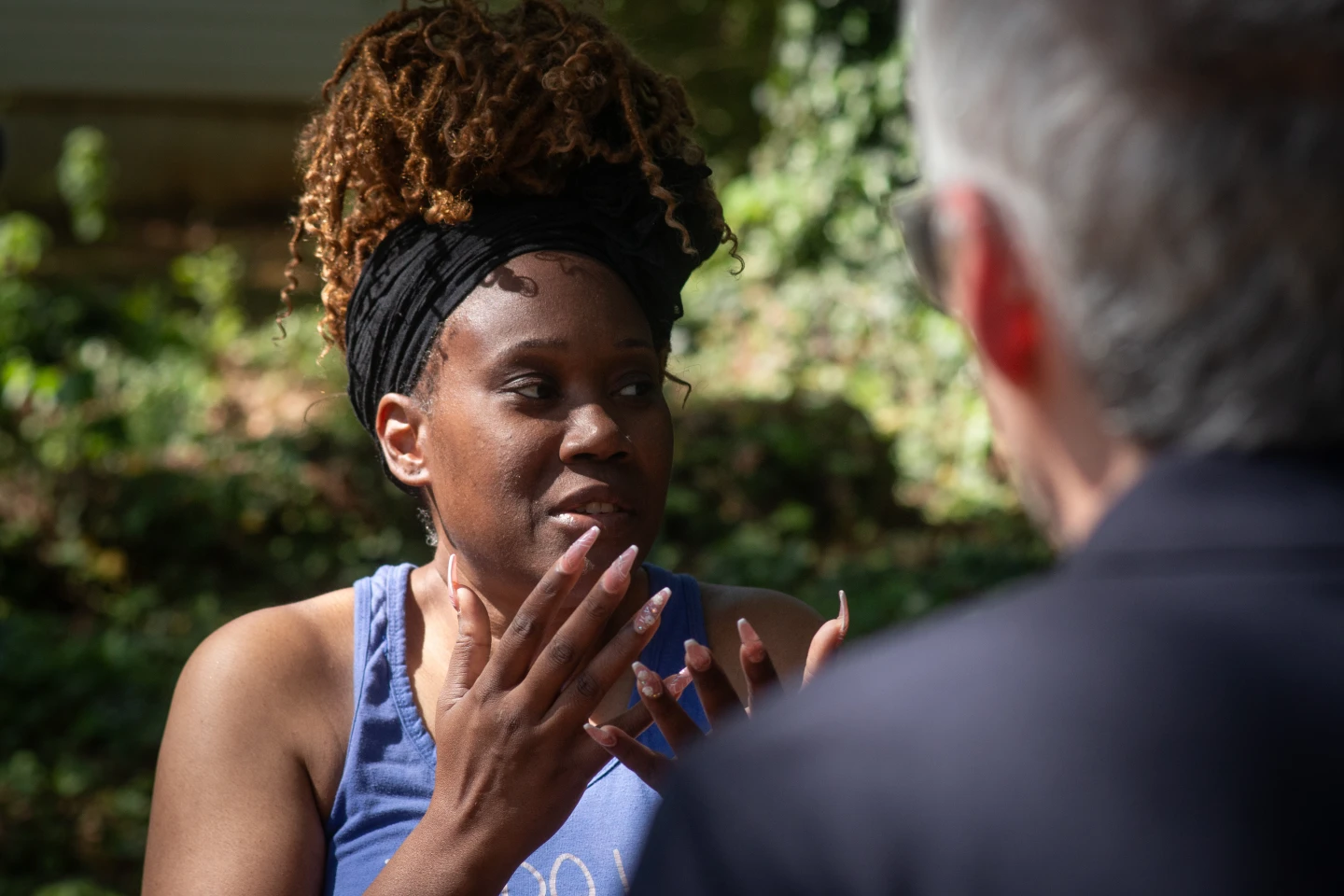
Roommates disclosed that tensions within the house had been escalating prior to the incidents, particularly over disagreements about the thermostat setting, which reportedly left the home uncomfortably cold. Lakisha Mckinzie, another housemate, expressed fears of Abel stemming from past inappropriate behavior, which she had reported to their landlord without any apparent action being taken.
Following the argument, Abel departed the house around midnight and was later connected to three separate shootings that occurred within hours. The first took place at a fast-food restaurant, followed by another involving a homeless man nearby, and culminated with Bullis’s attack.
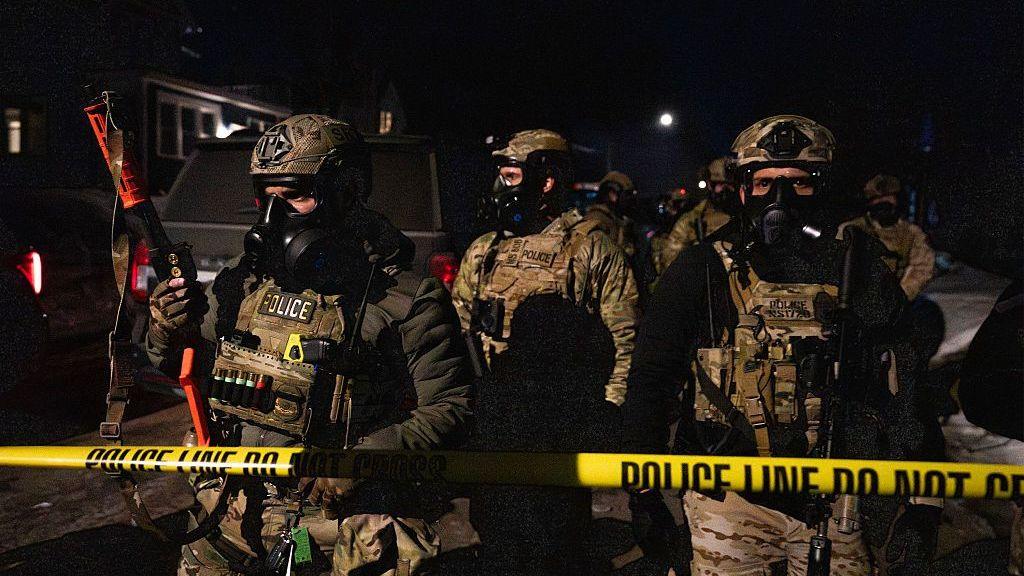
Law enforcement apprehended Abel in Troup County, where they located ammunition and shell casings in his vehicle that matched those found at the crime scenes. As investigations unfold, Homeland Security Secretary Markwayne Mullin raised concerns about the implications of Abel’s citizenship process, as the crimes sparked debate over background checks and mental health evaluations in relation to firearm acquisition.
Abel’s prior legal issues, including a guilty plea for assaulting police officers and sexual battery convictions, add layers to the case, prompting discussions about the consequences of permitting individuals with violent histories to possess firearms.
The tragic incidents have left the community reeling, particularly as they reflect the complexities of living in shared housing environments, where underlying personal conflicts can magnify into catastrophic outcomes.