In brief
Tokyo’s ‘Cool Biz’ recreation urges workers to swap ties for short sleeves and shorts amid rising summer temperatures. While the policy aims to curb energy use and boost comfort, a 2024 survey shows 53.5% of residents oppose shorts, citing body‑shape and leg‑hair discomfort. Women, in particular, are alarmed by the term “sunehara,” describing unwanted leg‑hair exposure. Government officials claim the guideline is optional, while experts note heat‑stroke deaths rising as Japan battles extreme heat. The debate highlights widening concerns over workplace etiquette, gender expectations, and public health.
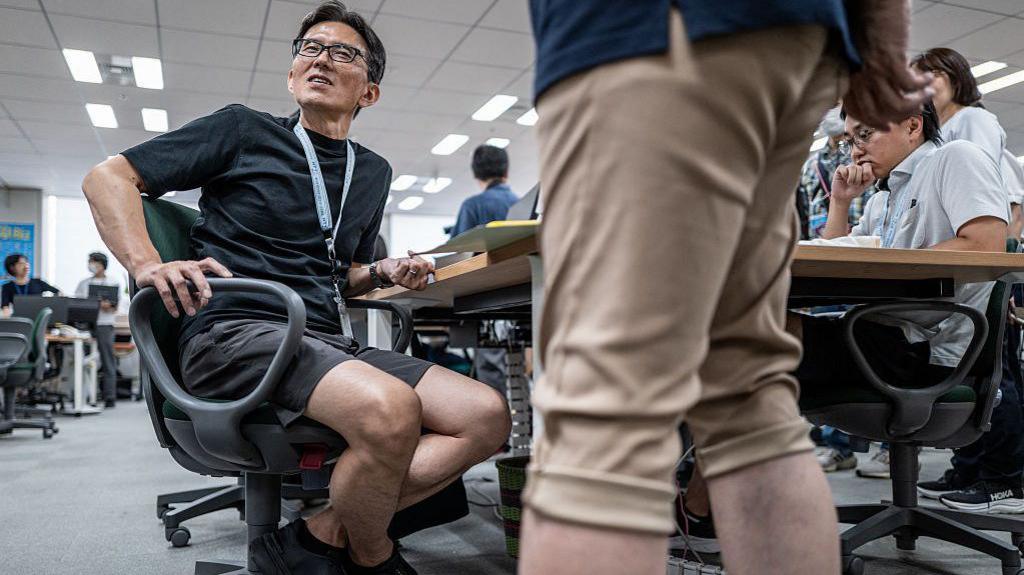
In the wake of record‑high temperatures, Tokyo officials are urging office workers to ditch suits for light shirts, trainers and even shorts. The campaign, part of the city’s revival of the long‑running “Cool Biz” energy‑saving initiative, aims to reduce air‑conditioning load and improve comfort during extreme heat.
A June survey by Gorilla Clinic shows a split opinion: 53.5 % of respondents object to wearing shorts at work, citing concerns about body shape and visible leg‑hair. 46.5 % support the trend, highlighting the desire for looser dress codes. Women in the survey reported stronger resistance, fearing “sunehara” – the discomfort of seeing a colleague’s leg‑hair – and labeling it as a form of harassment.
Tokyo Governor Yuriko Koike, previously steering the national “Cool Biz” program, explained that the new tone of the policy is voluntary. “We want to give people more options in the severe heat, not tell them what to wear. There should be no issue as long as the work attire is not offensive to anyone,” said environmental official Noboru Watanabe to the BBC.
Chief of the Gorilla Clinic, Akifumi Funatsu, noted a growing trend of men seeking laser hair removal to mitigate the “leg‑hair” issue. He remarked that many workers believe that “men should have less leg hair,” leading to an uptick in cosmetic interventions.
The debate occurs amid nationwide heat‑stroke concerns. Seven deaths and 4,580 hospital admissions were reported in the week of 6‑12 July, according to the Fire and Disaster Management Agency. The government’s “Cool Biz” and “Super Cool Biz” initiatives originally launched in 2005 and 2011 respectively, encourage short‑sleeve shirts and non‑standard office attire to reduce electricity consumption.
Weather forecasters warned of “kokusho‑bi,” or literally “brutally hot day,” if the mercury climbs above 40 °C. Experts from the Japan Academic Network for Disaster Reduction stress that heat acclimatisation may take weeks; they urge early preparation and visible temperature management strategies.