In brief
A recent jury ruling has labeled Live Nation a monopoly, impacting competition in ticket sales. Although consumers await potential price reductions from the decision, the company faces possible payouts in the hundreds of millions. Future court discussions aim to address changes needed to enhance market competition.
Concert enthusiasts have expressed their grievances regarding Ticketmaster's ticket fees for years, and recently, a federal jury found that the company's parent organization, Live Nation, maintains a harmful monopoly over substantial venues across the United States.
Nonetheless, it remains to be seen whether this verdict will lead to more affordable concert experiences for consumers.
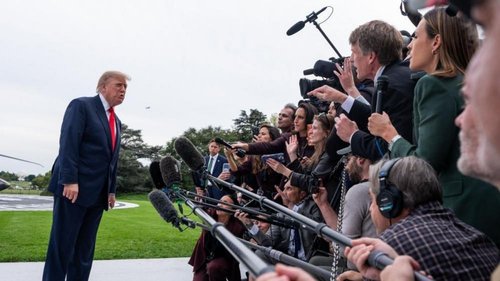
The antitrust lawsuit, spearheaded initially by the U.S. government under President Joe Biden, accused Live Nation of suppressing competition and restricting venues from utilizing multiple ticketing options. Shortly after the trial commenced, however, the Trump administration announced a settlement regarding its claims against the concert giant, resulting in a compromise that may limit some practices but does not fully separate Ticketmaster from Live Nation.
In a significant ruling, a federal jury situated in New York determined that Ticketmaster overcharged its clientele by an average of $1.72 per ticket across 22 states. This could potentially lead to a repayment order amounting to hundreds of millions of dollars against Live Nation.
The verdict does not offer immediate financial relief to concertgoers, though several states perceive it as a necessary step towards promoting competition and could lead to lower ticket prices in the long run.
A few extra dollars may trickle down to consumers who purchased tickets through Live Nation, stated Shubha Ghosh, a law professor specializing in antitrust law at Syracuse University. However, the eventual decrease in ticket prices considerably depends on forthcoming developments.\
As the situation unfolds, there will be hearings on the possible penalties against Live Nation, which might demand the company relinquish ownership of some of its numerous venues as it is the largest ticket seller for live events globally. Meanwhile, Live Nation has reiterated its stance that it does not hold a monopoly.
The current state of affairs will also see a group of Democratic senators urging the judge overseeing the case to meticulously analyze the proposed settlement from the Trump administration in light of the new verdict, as they believe the agreement lacks sufficient measures to encourage competitive pricing and protect consumer interests.
The outcome of this case may significantly impact the concert ticketing landscape as legislators and consumers alike observe the developments closely.