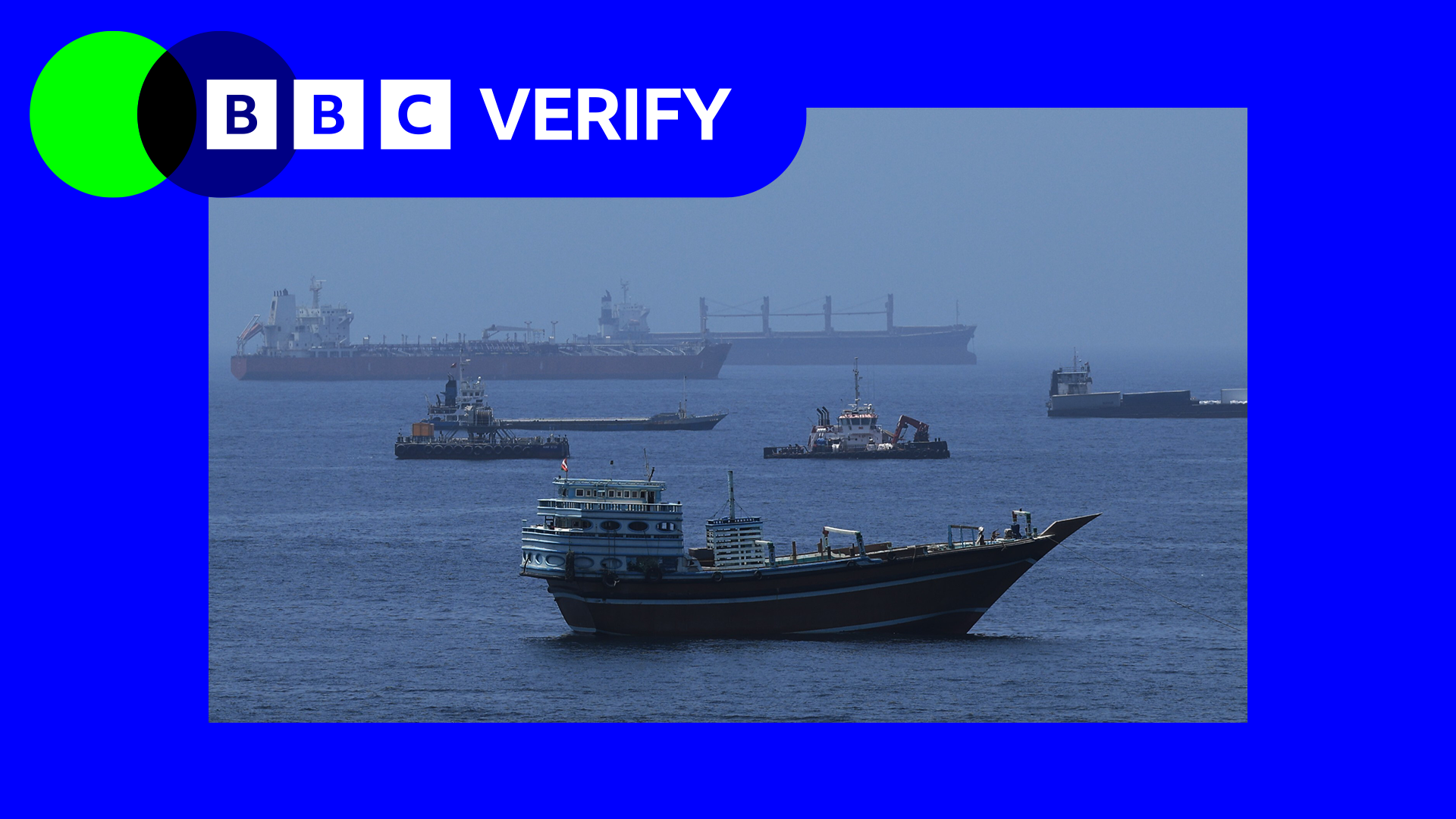
NEW YORK (AP) — The ongoing war in Iran is creating ripples across global markets, extending even to the prices of toys and various consumer goods. With significant oil shipments from the Middle East disrupted, manufacturers like Aleni Brands are already facing 10% to 15% increases in their production costs due to higher prices for materials derived from petroleum.
CEO Ricardo Venegas, who founded Aleni Brands recently, remarked on the unexpected link between plush toys and the oil market, saying, “Who would have thought that the price of a toy would have a direct relationship with oil?” This scenario underscores the broader reality that oil is a key component in over 6,000 consumer products, ranging from toys to clothing and essential household items.
The Department of Energy has indicated that products such as computer parts, cosmetics, and even food packaging are heavily reliant on petrochemical derivatives. As oil prices surge, industry experts predict a projected spike in consumer prices, complicating the financial landscape for many households.
The war's effect is not just limited to toys. Spiking gasoline prices are leading to higher airfares and transportation costs, impacting everything from food to furniture. Consumers may soon find themselves paying more due to increased shipping costs driven by higher fuel prices.
As manufacturers assess the sustainability of these rising costs, many are beginning to pass additional expenses onto consumers. Venegas stated that if the conflict lasts another three to six months, customers could see price increases by early 2027.
On a larger scale, experts warn that if oil prices remain elevated, the cost pressures on retailers will intensify, particularly with raw materials. Industries dependent on synthetic materials like polyester may be especially vulnerable, with estimated increases in production costs resulting in steep price rises for apparel and footwear.
For retailers, managing this price adjustment poses a challenge. Some brands, like the footwear distributors, have a gestation period with two to three months of inventory which buys them time but places pressure on future pricing strategies.
In addition, companies are evaluating their manufacturing approaches to offset rising costs. For instance, some are already making advanced purchases of raw materials before prices escalate further, while others contemplate price hikes to maintain profit margins. Yet, business leaders like David Navazio of Gentell expressed the uncertainty regarding whether prices will decrease once tensions in the region settle.
Overall, as this conflict continues to unfold, it has unmistakably highlighted the intricate connections between global conflicts, oil prices, and consumer goods, prompting an urgent reevaluation of cost strategies across various sectors.