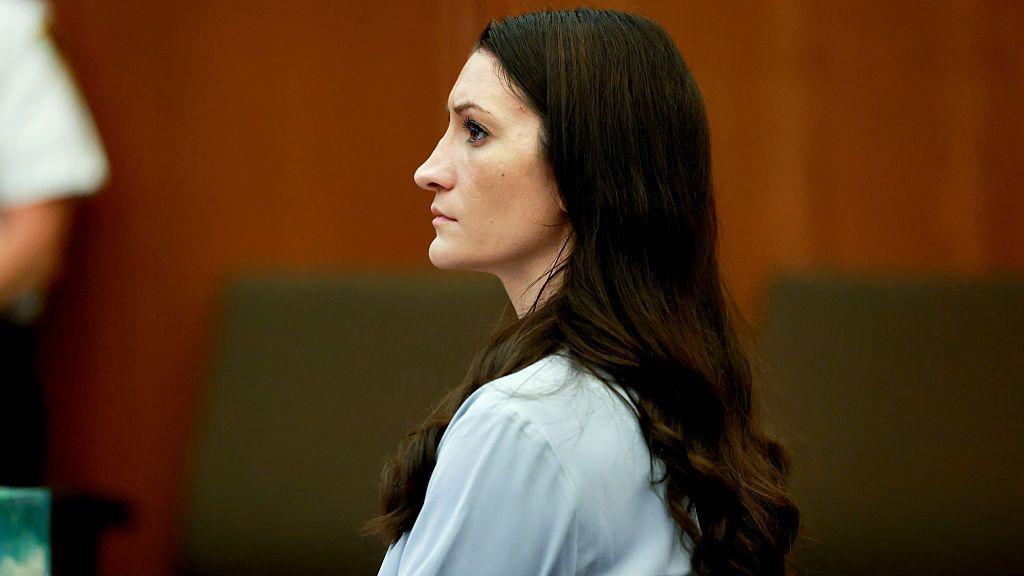
The case of James Broadnax exemplifies the contentious intersection of art and law, where personal rap lyrics written at age 19 have become pivotal in a capital murder trial against him. Prosecutors have leveraged these lyrics, allegedly referencing gang affiliations and violence, to advocate for a death sentence as opposed to life in prison. His defense team argues that this legal strategy plays into racial biases, particularly given Broadnax is Black, and the jury is predominantly white.
This issue of using rap lyrics as evidence is not isolated; it has emerged in courtrooms across the United States for decades, with over 700 cases documented since the genre’s inception. Many experts argue that this trend minimizes rap as an artistic form, reducing its lyrics to mere autobiographical accounts while perpetuating negative racial stereotypes.
Erik Nielson, co-author of 'Rap on Trial,' criticized this practice, stating, 'It denies rap music the status of art. It is characterized as autobiography.' This characterization suggests a lack of literary sophistication attributed to young men of color, leading to prejudices within legal settings.
The consequences of such legal practices can be severe, as they've been shown to sway jury decisions. In racketeering cases, for instance, lyrics may be interpreted as confessions or motives for crimes, heavily influencing the outcome of trials.
Broadnax’s situation amplifies ongoing discussions surrounding racial bias in the legal system. His defense argues that the focus on rap lyrics in the trial narrative underscores the harmful stereotypes associated with Black defendants, claiming that a death sentence was affected by these biases.
Recent studies affirm that when presented with rap lyrics, many perceive them as autobiographical, compared to those from other genres, which tend to be viewed purely as artistic expressions. This discrepancy has prompted calls for legislative action to safeguard artistic expressions in court.
Efforts are underway, with states like Maryland passing laws that require a factual connection between the artistic content presented in court and the defendant’s charges, promoting a fairer legal process for artists. Experts argue that such measures are crucial as they aim to protect creative expressions from being mischaracterized and misinterpreted within the justice system.
As the debate continues, many in the hip-hop community call for broader recognition of rap music as art that should not be conflated with autobiographical truth, advocating for the rights of artists to express themselves without legal repercussion or societal prejudice.