
In brief
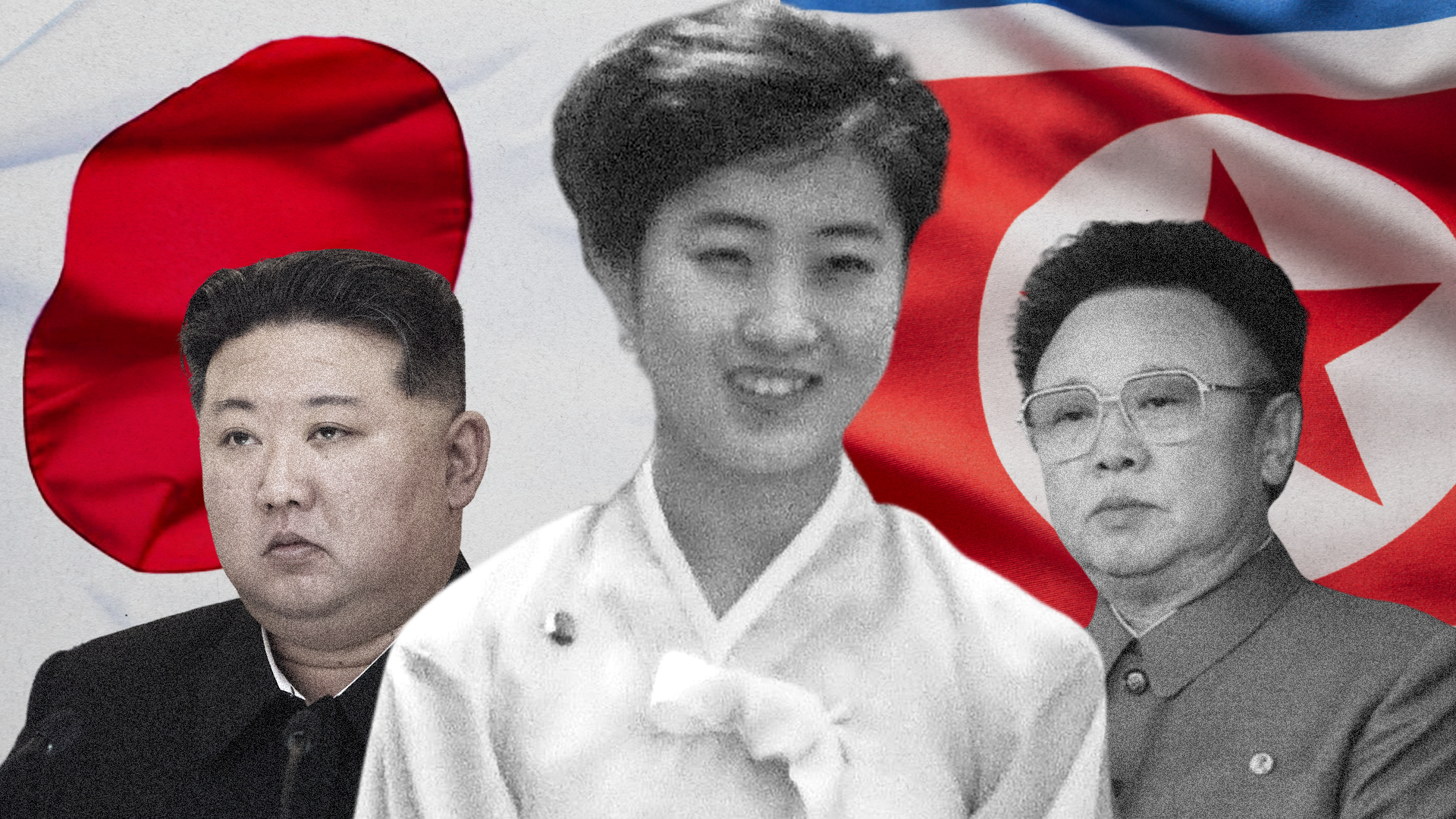
Kim Jong Un’s rule is anchored in a mythic bloodline that traces back to Mount Paektu. Yet the identity of his mother, Ko Yong Hui, remains a state secret; no public mention has ever been made. Ko, a former Zainichi Korean born in Osaka in 1952, entered the regime’s elite sphere through her artistry and capture by Kim Jong Il. Her background clashes with the leader’s narrative of divine purity, raising questions about succession and legitimacy. The secrecy surrounding her lineage continues to shape Kim’s public image and the political dynamics of North Korea.
A mythic throne and a hidden mother
The North Korean narrative of Kim Jong Un’s legacy is steeped in a legend that links his family to the mythical Mount Paektu, a birthplace myth claimed for Korea’s first king. In sharp contrast, the identity of his mother, Ko Yong Hui, is deliberately obscured. No official media have named her or shown her face, a silence that suggests the regime sees her origin as a threat to its doctrine of pure heritage.
Ko was born in Osaka, Japan in 1952 to parents of Jeju Island heritage. Their family migrated to North Korea in a state‑run resettlement scheme that promised a modern life of free healthcare and jobs. As a Zainichi Korean, the family fell into the “jjaepo” bracket of the songbun system, a class that faces surveillance and often limited access to elite positions.
A Cinderella figure
Matteo Gomi reports that Ko was a member of the Mansudae Art Troupe, a prestigious cultural unit that attracted the attention of Kim Jong Il. His chief biographer says Ko’s dancing talent and beauty won him private favour, and he allegedly had three children with her despite her unofficial status. The children were housed far from Pyongyang, in the coastal town of Wonsan, a move that suggests origin‑based secrecy.
While Ko never married the supreme leader and remained privately acknowledged, she effectively became the de‑facto first wife once Kim Jong Il’s official spouse, Kim Young‑Sook, was positioned for succession. The regime’s 2011 documentary showing Ko accompanying Kim on local tours was never released publicly, hinting at the sensitivity of her background.
Succession secrets
Kim Jong Un’s ascension may have been engineered by his mother’s influence. With Kim Jong Il’s other offspring—both from officially sanctioned marriages and from other mistresses—being politically impractical or lacking male progeny, Ko’s son becomes the logical successor. Analysts note that this arrangement would have been precarious if not for the concerted promotion by Ko’s sister and the lack of alternative heirs.
Modern historians argue that the secrecy around Ko’s lineage underscores the fragility of North Korea’s hereditary rule. A public confirmation of her Korean‑Japanese ancestry would undermine the Paektu narrative that supports the regime’s ultimate legitimacy.
Present‑day legacy
Today, the lack of a national holiday for Kim Jong Un’s birthday and the limited presence of his mother in propaganda point to ongoing concerns about his origin. The leader’s public focus on his wife, Ri Sol‑Ju, appears to offset the alleged deficiency linked to his mother’s background. Despite the careful shrouding, speculation remains—any reveal of Ko’s story could destabilise the tightly controlled dynastic narrative that has governed North Korea for decades.

