
In brief
A school shooting at Debsirin School in Nonthaburi turned an otherwise ordinary Friday into a scene of panic and loss. A 14‑year‑old student opened fire, killing five teachers and leaving more than 30 injured, sparking a national debate on gun ownership and safety. Witnesses described the shooter's calm demeanor and the shocking accuracy of his gun, while officials say the weapon was a family possession. Thailand’s gun‑control laws have come under renewed scrutiny as authorities investigate the motives behind the tragedy.
On Friday morning, Debsirin School, a prestigious institution just outside Bangkok, turned into a scene of terror as a 14‑year‑old student opened fire.
In the chaos, a seventh‑grade girl testified that she was standing in front of a teacher when the teacher was shot. The gunman stalked room by room, firing repeatedly before turning the weapon on himself after killing his grandparents.
The attack killed five teachers and left more than 30 people injured – students, staff, and parents alike. In one account, an 18‑year‑old student noted that he initially mistook the shots for firecrackers, only realizing the seriousness as the assault continued.
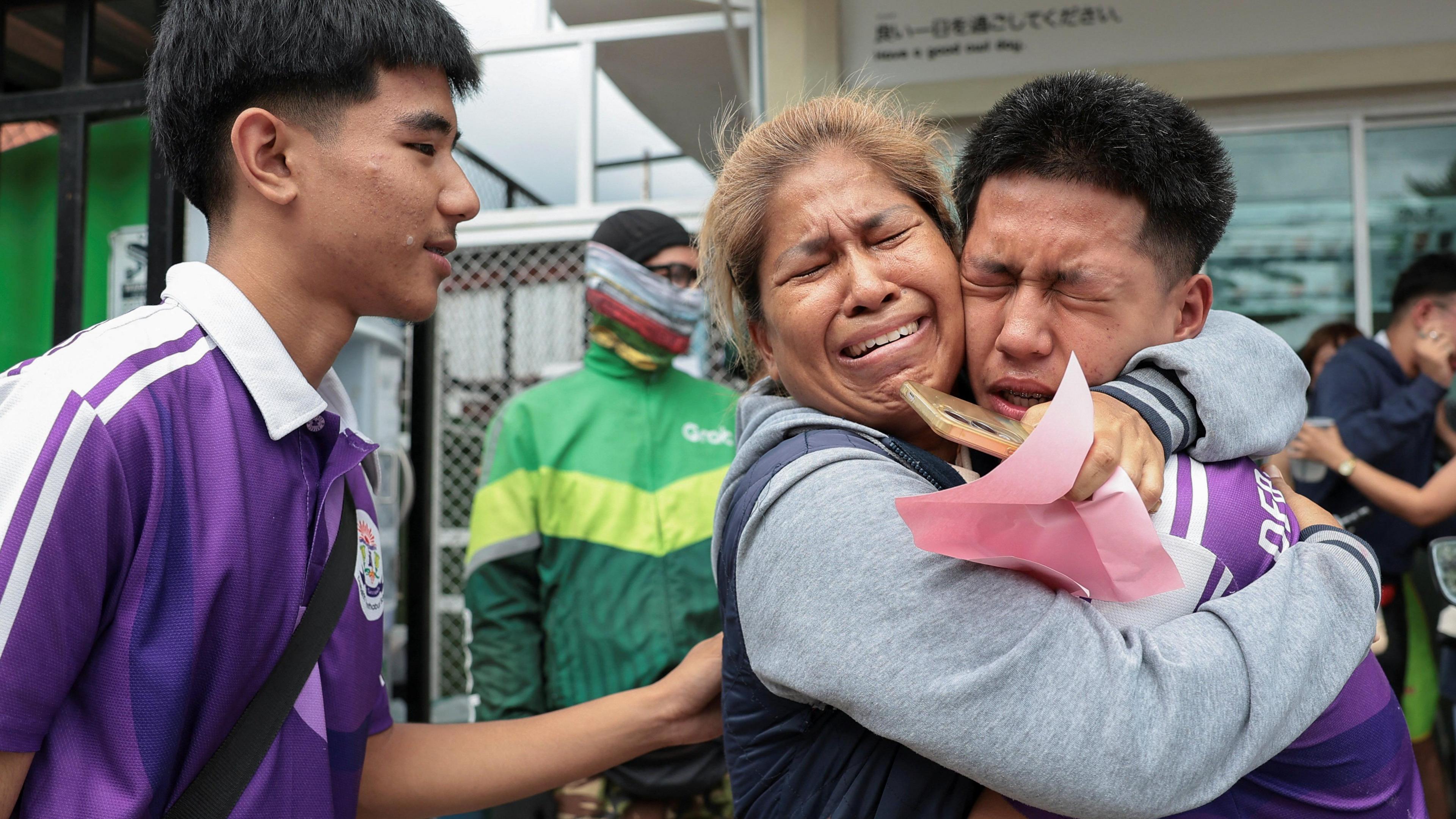
Paramedics rushed the wounded to nearby hospitals, while a stretcher carried a teenager who had been shot in the arm, another in the chest. Teachers and classmates expressed shock at the loss of a former student who had become a colleague.
Authorities say the gun, a disposable 9mm handgun, was owned by the shooter's grandfather, and forensic officers noted the shots were “quite accurate,” striking vital points on victims.
Police have yet to establish a clear motive. The prime minister, who previously tightened gun regulations, noted that academic pressure might have been a factor, citing stories of stress from family and teachers. The incident is the country’s deadliest school shooting in years and the second inside a school this year.
China’s gun‑control debate has intensified: the nation reportedly has over seven million gun owners, one‑million of whom are unlicensed. Corruption, border porousness and weak enforcement are cited as reasons for the widespread availability of firearms.
Opposition leaders and members of Parliament have called for a systematic review of gun laws and better enforcement, underscoring that “an act of violence in an educational institution symbolizes the urgency for change.”
As the investigation continues, the nation grapples with how to prevent any recurrence of such tragedy while respecting the cultural and legal complexities surrounding gun ownership in Thailand.


