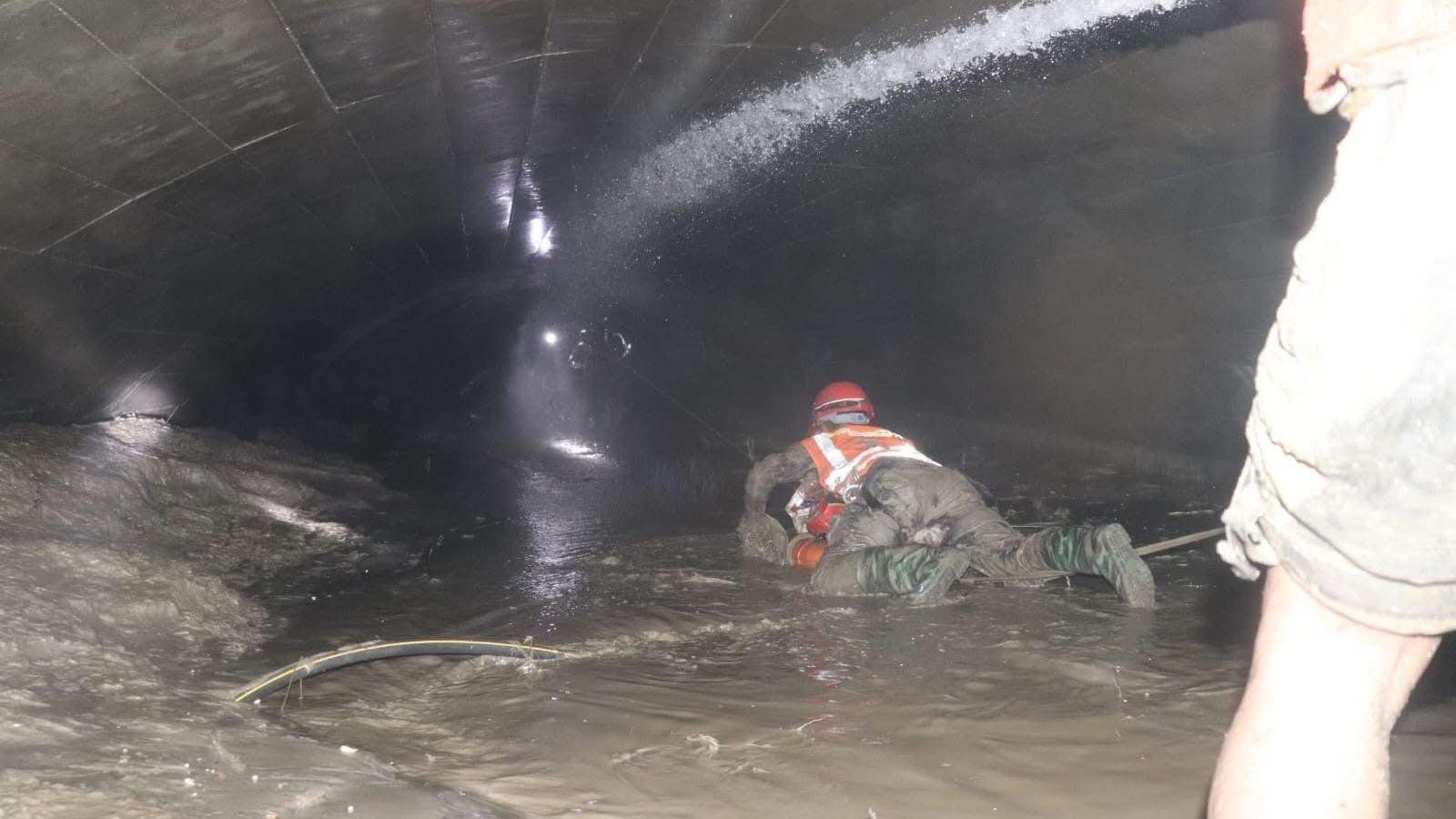
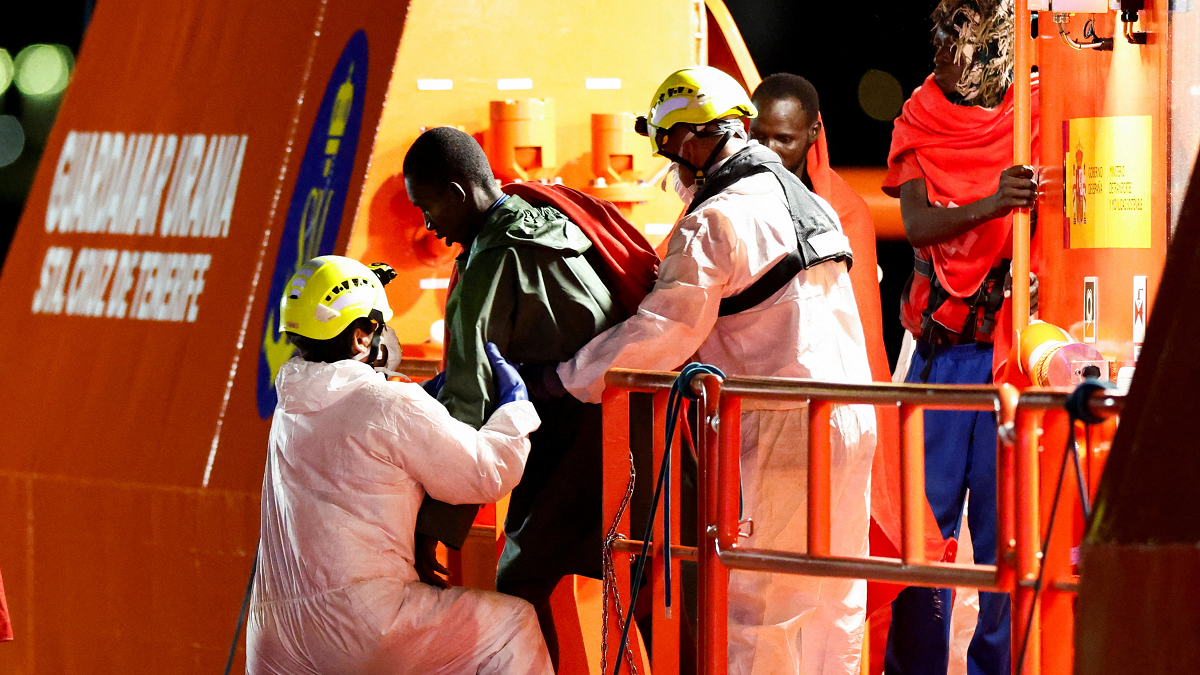
In the early hours of last Wednesday, two massive earthquakes struck Venezuela’s northern coast, shaking the region to its core. Tremors from 6.1 and 6.9 magnitude shocks produced widespread devastation, leading to significant casualties and leaving thousands without safe homes.
The BBC’s journalist Will Grant arrived in Catia la Mar, a coastal town that suffered immense damage. A modern municipal baseball stadium, typically a place of local pride, has been turned into a makeshift refuge for displaced residents. Inside its corrugated roof, people sleep on the ground or in modular tents under makeshift blankets.
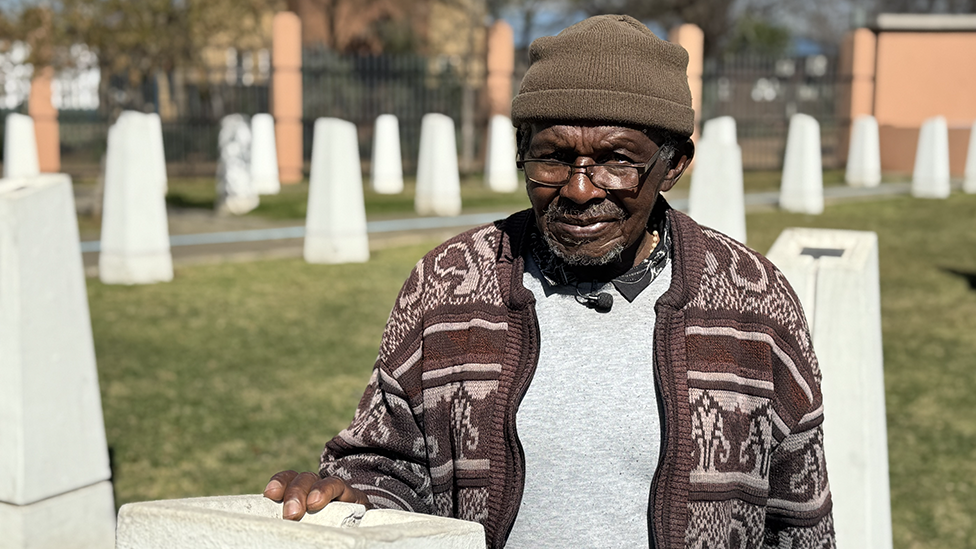
Living in a shelter that barely provides privacy, survivors share their first impressions: “We’re hopeful that the government will find us some form of temporary accommodation while the country rebuilds...,” veterans said, while smaller families clutch donated clothing and food packets handed out by local volunteers.
The stadium’s conversion illustrates how communities, differently from other disaster-stricken regions, use local infrastructure to create emergency relief. In a region where municipal authority is still consolidating the response, the continued operation of the baseball field exemplifies not only a physical shelter but also a symbol of resilience.
Looking ahead, Venezuelan residents across all demographic segments— from local authorities to civil society— insist that more robust support structures are required as the country navigates the long road toward recovery.