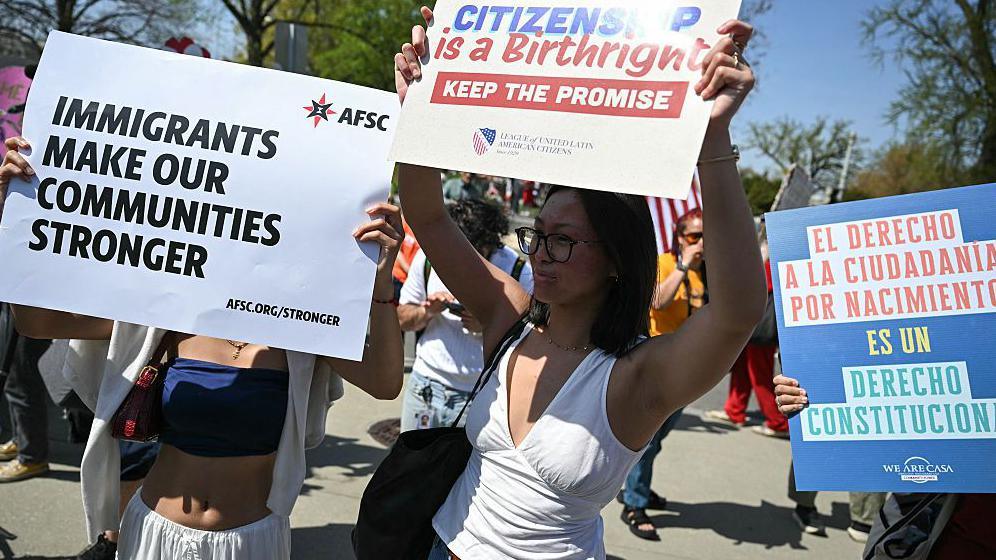
The US Supreme Court, in a 6‑3 majority, ruled that children born in the United States are citizens at birth under the 14th Amendment, rejecting President Donald Trump’s effort to end the centuries‑old policy.
Chief Justice John Roberts delivered the opinion, noting that the amendment’s phrase “subject to the jurisdiction thereof” includes infants born to parents who are unlawfully or temporarily present in the country. The Court affirmed that any person born on U.S. soil is automatically a citizen, regardless of the parents’ immigration status.
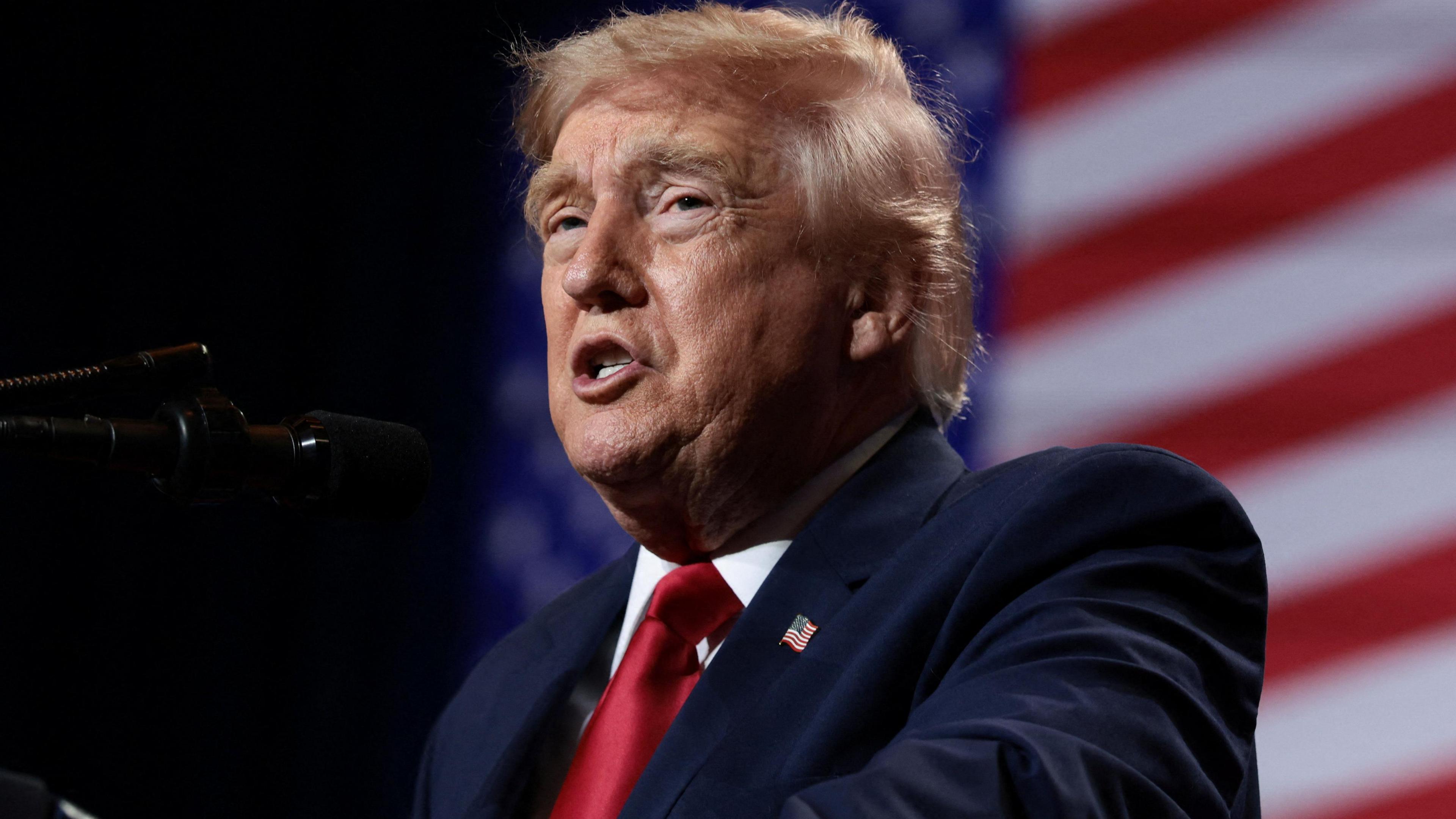
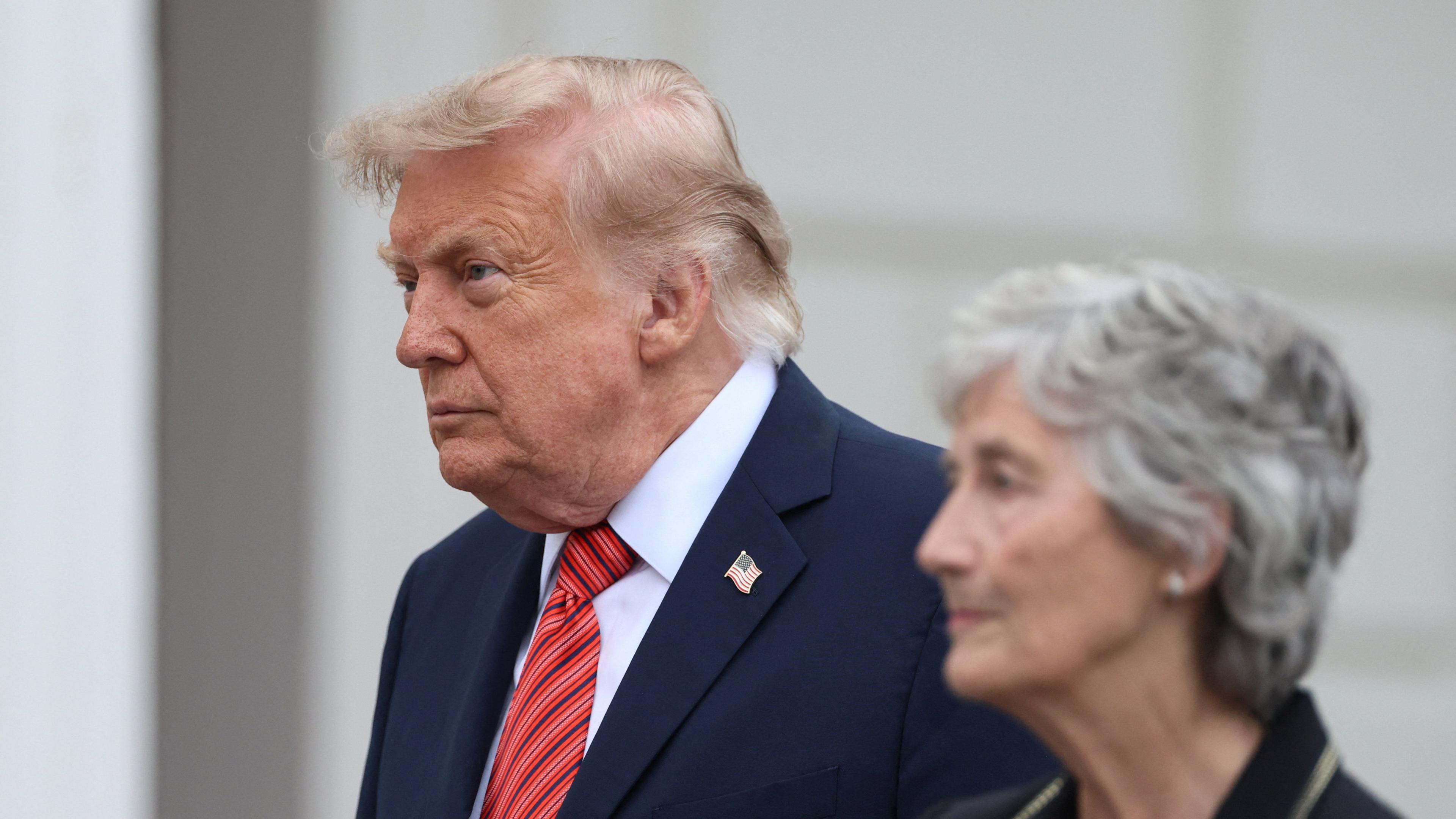
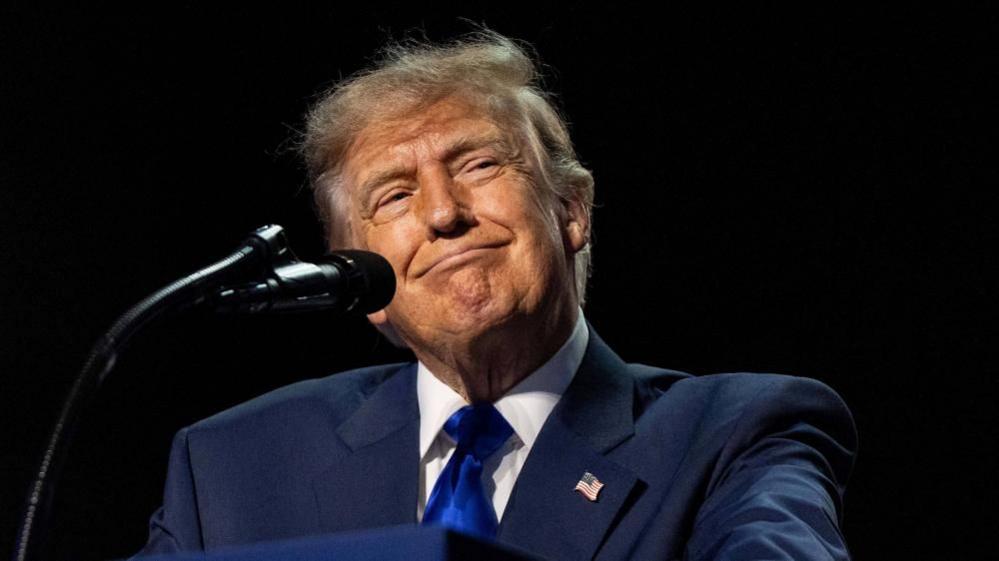
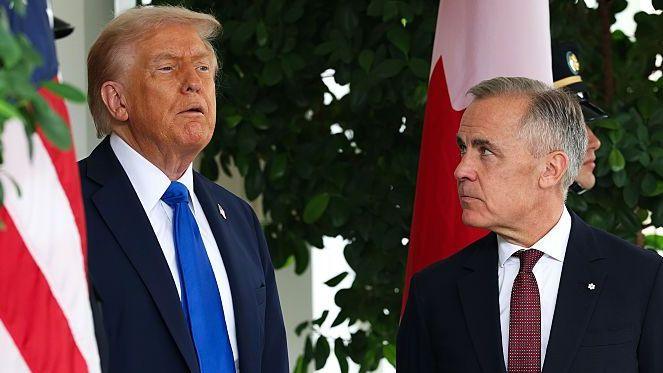
Trump had attempted to curb birthright citizenship via an executive order that argued that children of undocumented immigrants or temporary visitors should not be considered “subject to the jurisdiction.” That argument was rejected by the Court, marking a significant blow to the former president’s immigration agenda.
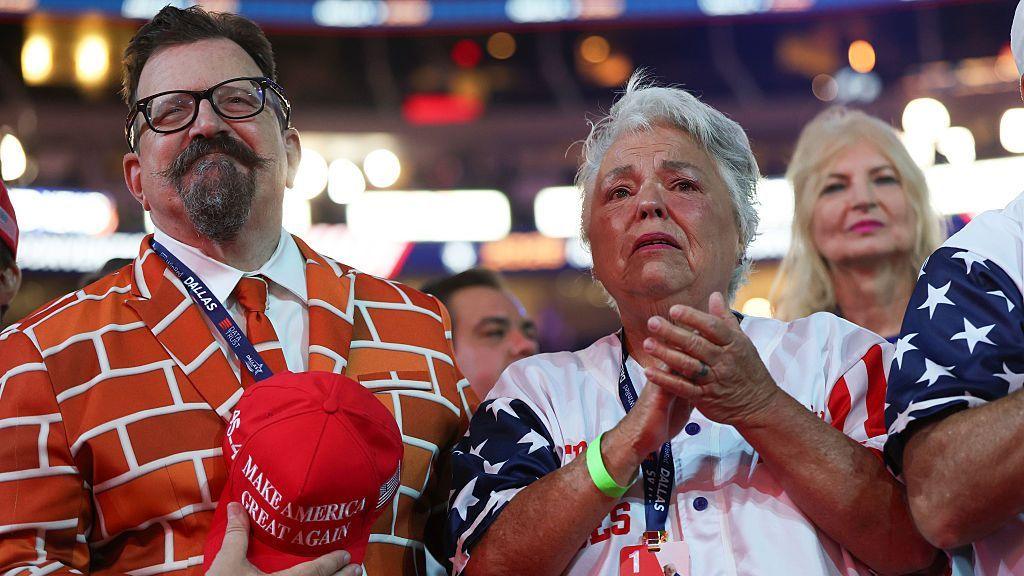
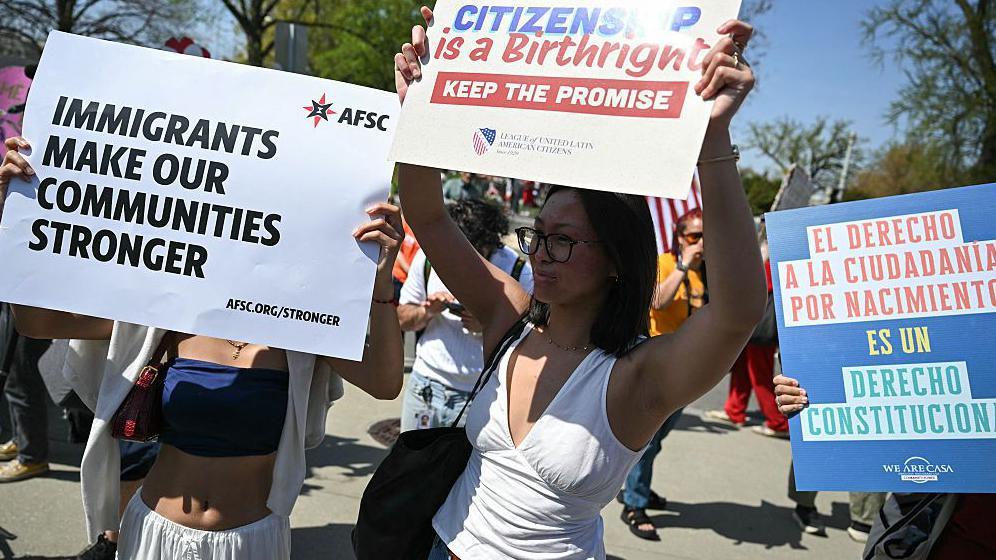
Civil‑rights advocates applauded the ruling, seeing it as a reinforcement of established constitutional principles. The decision was also criticized by Trump’s allies, who called it a “destructive” and “outrageous” Supreme Court action.
The case, the first major test of birthright citizenship in recent years, was watched closely by political observers. The Court validated the principle that Americans are born into citizenship, a stance that has shaped U.S. immigration law since 1868 and reaffirmed by past Supreme Court rulings.
The ruling provides legal clarity for a policy that has long been a source of political contention and underscores the Supreme Court’s ongoing role in shaping the nation’s citizenship laws.