
In brief
A powerful super typhoon, Bavi, is set to strike Guam early Monday, prompting emergency evacuations and warnings of catastrophic damage. The storm carries winds of up to 257 km/h and could produce waves as high as 11 m. U.S. agencies advise vulnerable residents to seek shelter in designated schools, some of which have already reached capacity. Authorities warn that destructive conditions could last several hours as the storm passes. Climate‑change‑related conditions have increased the frequency and intensity of such typhoons in the western Pacific.
Super Typhoon Bavi Threatens Guam
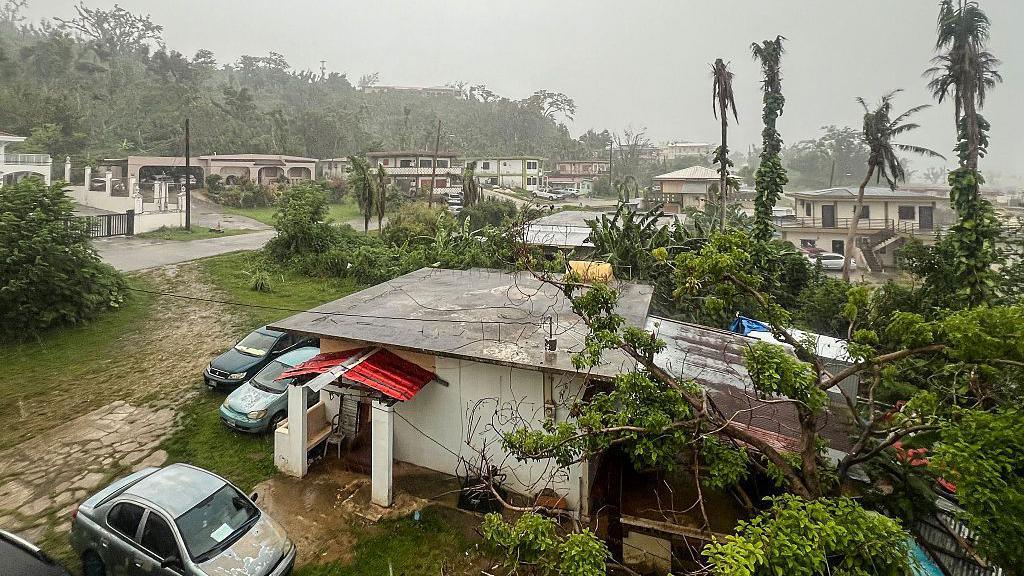
Emergency evacuations are underway in Guam and the Northern Mariana Islands as a super typhoon bears down on the U.S. Pacific territories. Authorities warn that the storm could bring up to 257 km/h winds and cause catastrophic flooding and high waves.
Bavi, forecast to make landfall early Monday, carries 150 knots (173 mph) with gusts up to 180 knots (207 mph). The National Weather Service equates it to a Category 4 or 5 hurricane.
The NWS forecasts destructive conditions to persist for 8–10 hours around the storm’s centre. Residents are urged to evacuate if their homes are vulnerable to wind or flooding.
Guam’s civil defence office opened five evacuation centres in schools with a maximum capacity of approximately 1,700 people, primarily for vulnerable residents. One site reached full capacity at 3 am local time and people were redirected.
Local business owners are bracing for damage; one restaurateur spent £373 worth of plywood to board up her shop. A tourist’s return flight was cancelled, and she expressed fear about staying through the storm.
The western Pacific is prone to powerful typhoons, and climate‑change‑driven sea‑surface warming may increase the frequency and intensity of such systems. Bavi will be the 11th Category 4 or 5 tropical cyclone to hit U.S. territory in the last decade, exceeding the previous 57‑year total.


