The fragile "no war, no peace" truce that followed a tentative U.S.‑Iran deal in June has floundered, with the Strait of Hormuz moving back toward a flashpoint of conflict.
Both sides are now circling the same point of contention: control of the narrow waterway that channels roughly one‑fifth of the world’s oil. Iran’s negotiator, Mohammad Bagher Ghalibaf, emphasised that any breach of the agreement would meet a "price", the bargaining language that underlined the U.S. requirement for free passage.
Washington interprets the clause as a guarantee that the strait will open for commercial vessels—an essential route for global energy. Tehran, however, frames it as a sovereign right, pointing to a clause that the Iranian side could use to “make arrangements for safe passage” while still retaining authority.
The disagreement has drawn in neighbouring powers. Oman has protested the inclusion of its name in the text and demands a neutral regulatory framework. Qatar, a key mediator, faces pressure from both Tehran and the U.S. to keep the corridor clear and prevent any unilateral action that could provoke war.
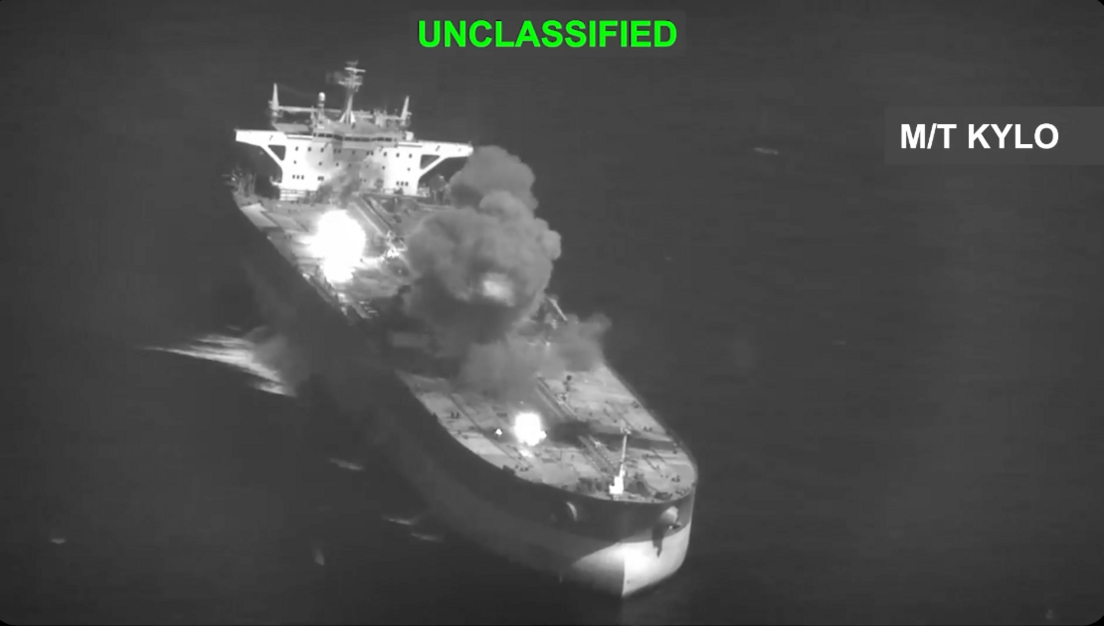
Behind the diplomatic dance is a volatile internal climate. Iran’s recent attacks on foreign vessels—labelled by officials as the action of a rogue unit within the Islamic Revolutionary Guard Corps—reflect a split in its leadership between pragmatists seeking to leverage the truce and hardliners who want to press the U.S. harder.
The U.S. has signalled a willingness to reconsider sanctions relief, but a pause in a 60‑day negotiation period underscores the fragility of any agreement. Analysts note that neither side is likely to compromise without cost, creating a stalemate that could reignite hostilities.
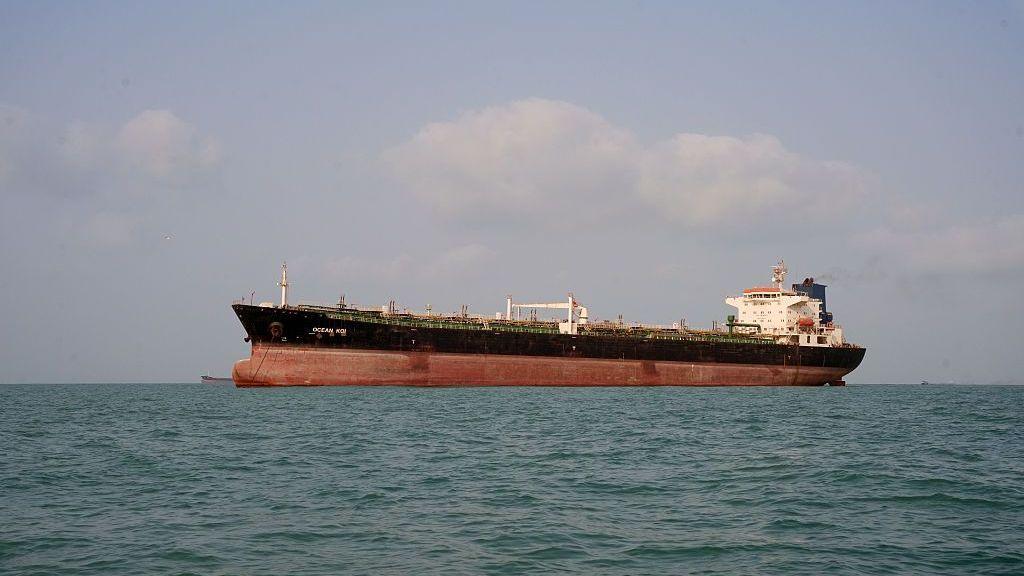
For traders and ship‑owners, the risk is tangible: a closed strait would compel rerouting, increase insurance premiums, and jeopardise the delivery of gas and other commodities. Regional governments that depend on the steady flow of these products are watching closely, hoping for a diplomatic solution but fearing that one side may act first to secure leverage.
The latest parliamentary bill in Tehran, declaring the strait’s control a sovereign right, signals a broader strategy: not only to deter adversaries but also to use the corridor as an economic lifeline amid stiff sanctions. This move further tightens the loop around the Gulf, keeping the possibility of war alive.
In sum, the Strait of Hormuz remains a fault line where strategic interests, national pride, and global trade intersect. Whether the United States or Iran will be forced to give ground first remains uncertain, but the stakes—and the potential for a wider conflict—are high.