Elon Musk's SpaceX has taken a bold step by applying to launch one million satellites into Earth's orbit with the aim of supporting artificial intelligence (AI). The proposal submitted to the Federal Communications Commission claims that these 'orbital data centres' represent a cost-effective and energy-efficient solution to meet the surging demand for AI computing power.
Traditionally, data centres are large, land-based facilities that house powerful computers for processing and storing data. However, SpaceX asserts that the needs driven by AI developments are already exceeding the capabilities of terrestrial data centres. This proposed satellite network would complement SpaceX's existing Starlink project, which currently provides high-speed internet through a multitude of small satellites. Critics have previously accused Starlink of contributing to space congestion, a claim Musk has rebuffed.
The application indicates that the new network could feature up to one million solar-powered satellites, though no specific timeline for deployment has been provided. SpaceX anticipates that this system could offer sufficient computing capacity to serve billions of users around the world.
Additionally, the plan reflects Musk's vision of progressing towards a 'Kardashev II-level civilisation,' a theoretical classification for advanced societies able to harness the full power of their star. Musk noted on his social media platform, X, that the satellites would be so spaced apart that they would be difficult to see from one another, emphasizing the vastness of space.
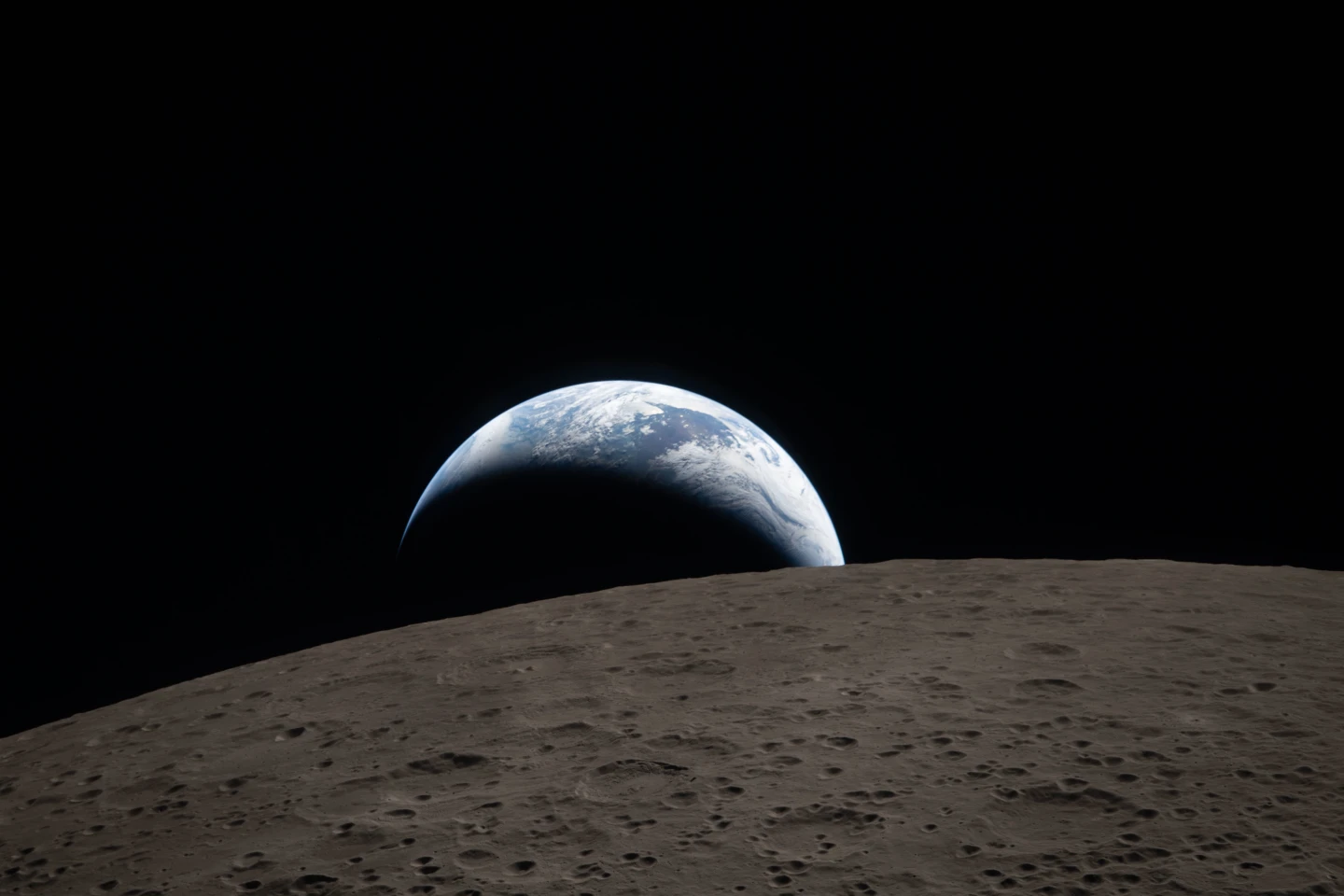
Operating in low-Earth orbit between altitudes of 500-2000km (310-1242 miles), the satellites are projected to be renewable energy-powered data centres, potentially offering a greener alternative to conventional terrestrial centres, which consume large amounts of power and water for cooling.
However, experts have pointed out considerable challenges, including the high cost of launching hardware into space and the complexities of protecting and powering such infrastructure. Concerns over increasing space debris and the potential for collisions also loom large, raising alarms about the physical safety of the hardware in orbit.
While proponents argue the benefits of increased computing power, some astronomers have expressed frustrations regarding signals from Starlink satellites interfering with observational studies. Musk's rejection of claims regarding space crowding has been met with skepticism from critics.