
In brief
Vusimusi “Cat” Matlala, a central figure in South Africa’s police corruption inquiry, has pleaded guilty to bribing officials to secure a 360 million rand contract for his company Medicare24. The plea deal, still pending magistrate approval, obligates him to testify about senior police officials and alleged drug cartel links, potentially exposing a broader network of crime infiltration. If upheld, Matlala faces eight years in prison and could aid prosecutors in reaching high‑ranking officers, including police chief Gen Fannie Masemola, who has denied the charges. Alongside a murder charge he also denies, Matlala’s cooperation may shift the investigation’s trajectory, offering fresh evidence and clarifying police‑organised‑crime ties. The outcome underscores the judiciary’s push to curb systemic corruption within South Africa’s law‑enforcement apparatus.
Vusimusi “Cat” Matlala Declares Guilt in Police Graft Case
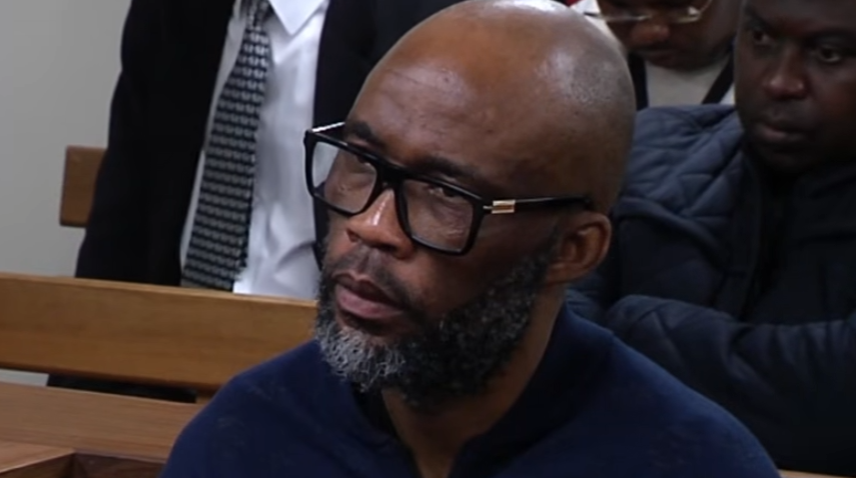
A figure at the centre of a sweeping police corruption inquiry in South Africa, Vusimusi "Cat" Matlala, has formally pleaded guilty to offences of bribery, fraud and money‑laundering. The plea was made during a court hearing in Pretoria, as prosecutors seek to secure his cooperation in exposing senior law‑enforcement officials and a potential drug‑trafficking network.
Matlala reportedly funneled bribes to top police officers in order to win a 360 million rand (about US 22 million) tender for his medical‑insurance company, Medicare24, in 2024. If the magistrate accepts the plea deal, prosecutors say he would receive an eight‑year custodial sentence but, in return, would give truthful testimony at future criminal trials.
State advocate Santhos Manilall explained that it took nearly two months to negotiate the terms of the deal, emphasising that the evidence Matlala could supply "would not have been possible otherwise." The deal could therefore shed light on allegations that senior police officials were complicit in organised crime and corruption.
Among those implicated is police chief Gen Fannie Masemola, who has denied any involvement. Separately, Matlala faces a murder charge he also disputes and has never appeared before the Madlanga Commission, a parliamentary inquiry into police corruption and drug‑trafficking ties that began last September.
Witnesses to the Madlanga Commission claim that organised crime groups have infiltrated police ranks, a claim that, if proven, could warrant a sweeping overhaul of institutional accountability and anti‑corruption measures. Whether the plea deal will ultimately be approved remains to be seen, but its implementation could dramatically alter the investigative direction and potentially bring senior officials to justice.
