
In brief
In the wake of 12 women’s bodies being found in a north‑east of Johannesburg suburb, President Cyril Ramaphosa has declared a multidisciplinary emergency response. He announced that every municipality must conduct a women's safety audit to pinpoint and address high‑risk locations such as broken streetlights, abandoned buildings and unsafe transit routes. The president acknowledged that such violence cannot be tolerated and called for men and boys to lead efforts to change attitudes that normalise gender‑based abuse. In addition to policing measures, he pledged new enforcement policies to curb alcohol‑related violence. The move comes as South Africa’s homicide and gender‑based violence rates remain among the highest worldwide.
South Africa Announces Nationwide Clean‑Up After 12 Women Murdered Near Johannesburg
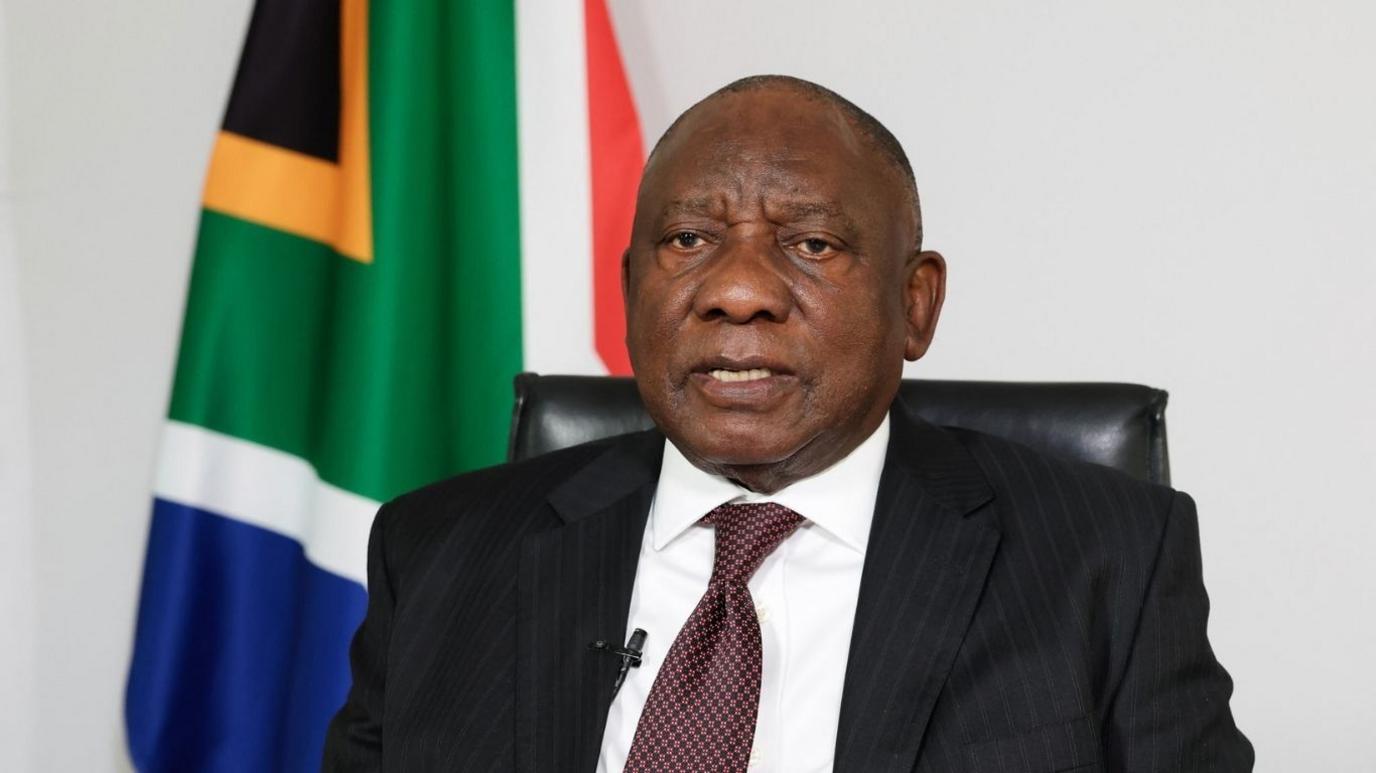
In a televised address on Tuesday, President Cyril Ramaphosa declared a national emergency response to the shocking discovery of twelve women’s bodies in the north‑east of Johannesburg. The victims were found in a single area in just two months, prompting an outcry over the country’s high levels of gender‑based violence.
The president acknowledged that the state has fallen short in protecting women and girls, admitting that “the country has not done enough.” He rolled out a policy package that includes a multidisciplinary police investigation, the arrest of four suspects, and a requirement that every municipality conduct a women’s safety audit immediately.
The audits will catalog broken streetlights, overgrown public spaces, abandoned buildings, unsafe transport routes and poorly secured parks—factors the president says expose women to danger. Officials will also identify high‑risk areas for targeted policing and community support.
Ramaphosa extended his pledge to tackle alcohol‑related violence, noting that while alcohol does not cause gender‑based violence, it is an aggravating factor in interpersonal violence. He called for stricter enforcement and safer drinking environments.
Beyond law‑enforcement, the president spoke to the cultural roots of the crisis, arguing that violence “begins in attitudes that regard women as inferior.” He urged men and boys to take leadership in changing these attitudes and ensuring a safer society for all.
South Africa’s homicide rate remains among the nation’s highest, with 5,427 people murdered between April and June. Recent reports from the Human Rights Commission show 569 women were killed and 1,052 survived attempted murder in the same period.
